Rwanda is the closest cross-border destination most Nairobians ever make — a 1-hour 40-minute flight, a shared East African Community framework, and a city compact enough to know in a long weekend. As of 2026 the trip is as easy as it's ever been: visa-free for Kenyan passports, several daily direct flights, the same EAC mobile-money interoperability, and a Nairobi-Kigali professional circuit that's grown thick enough that you'll see at least three familiar faces at any premium hotel restaurant in Kigali.
Visa — none required
Kenyan passport holders enter Rwanda visa-free for up to six months — the most generous visa-free arrangement Rwanda has with any country outside the EAC. No application, no fee, no advance paperwork. Show your passport, get stamped, walk through.
- Visa cost: Free
- Validity on arrival: 6 months (longest visa-free window of any nationality)
- Required documents: Valid Kenyan passport (6+ months), return ticket recommended
- Yellow fever certificate: Not required from Kenya
If you're combining the trip with Uganda or a return through Kenya within 90 days, the East African Tourist Visa costs USD 100 and lets you re-enter freely. For a pure Rwanda visit, just the passport works.
Flights — Nairobi to Kigali
The Nairobi-Kigali route is one of East Africa's busiest. Three carriers run direct flights:
- Kenya Airways (KQ). Multiple daily direct flights from Jomo Kenyatta International (NBO) to Kigali (KGL). Round-trip economy typically KSh 35,000-65,000. The default for most Nairobi travellers.
- RwandAir (WB). Daily direct service. Slightly cheaper than KQ on most days. The plane has WiFi on some routes.
- Jambojet. Lower-cost option, less-frequent service. Useful for budget trips when you can match the schedule.
Flight time: 1 hour 40 minutes. Book 4-6 weeks ahead for the best rates; both airlines run frequent fare sales for the EAC corridor.
Currency and money
Rwanda uses the Rwandan Franc (RWF). 2026 cross-rate: roughly 11 RWF per Kenyan Shilling. Most Kenyan debit cards (Equity, KCB, Co-op Bank) work at Bank of Kigali, Equity Rwanda, and KCB Rwanda ATMs. MTN MoMo and Airtel Money work the same way in both countries — the regional infrastructure is integrated enough that the currency transition is barely noticeable. M-Pesa direct transfers between Kenya and Rwanda work through the cross-border partner agreements as of 2026.
Practical note: most Kigali hotels and mid-tier restaurants accept Kenyan-issued cards. The smaller bars and brochette grills prefer cash or MoMo.
Where to stay — Nairobian-trip-appropriate hotels
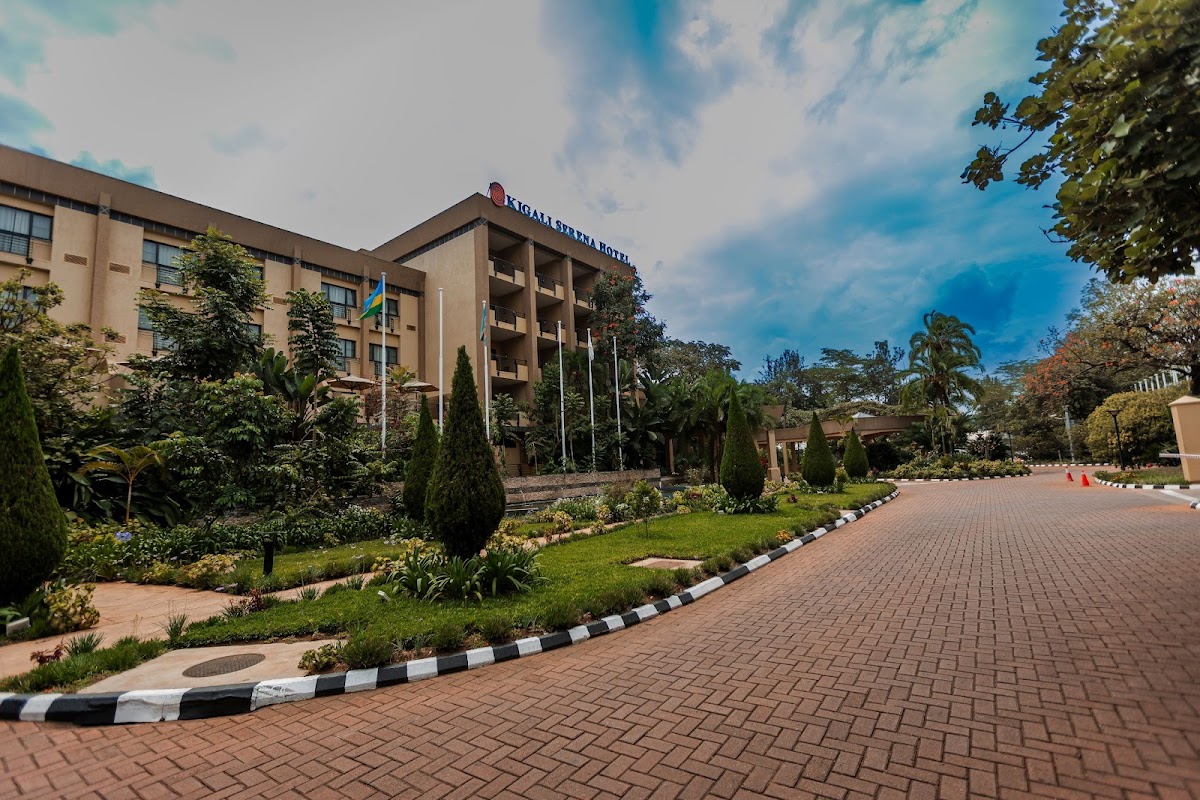
kigali-serena-hotel isn't on Kisimenti yet. Claim it to appear in our directory.kigali-marriott-hotel isn't on Kisimenti yet. Claim it to appear in our directory.radisson-blu-hotel-convention-centre-kigali isn't on Kisimenti yet. Claim it to appear in our directory.What to do — a 3-day Nairobi-trip itinerary
- Day 1 — arrival and Kigali on foot. Land morning, check in, lunch at Sole Luna or Nature Kigali. Afternoon: Kigali Genocide Memorial. Evening: dinner at The Hut Restaurant for the rooftop view.
- Day 2 — the slow Kigali day. Working morning at Question Coffee Gishushu. Lunch at Khana Khazana or Habesha. Afternoon at the Inema Arts Center or shopping in Kisimenti. Dinner at Arabic Palace.
- Day 3 — Lake Kivu or back early. If you have an extra day, drive 2.5 hours to Rubavu on Lake Kivu — a quieter waterside contrast to Kigali. Otherwise: morning at the Convention Centre area, lunch at Inka Steakhouse, afternoon flight home.
What Nairobians notice about Kigali
- It's noticeably cleaner. Kigali's cleanliness is a meaningful contrast to Nairobi's busier streets. Plastic bags are banned; Umuganda (last-Saturday community cleaning) keeps the streets pristine. Many Nairobians find the order calming after the energy of Nairobi.
- Traffic is gentler. Kigali traffic at peak hour is manageable; the city's hills shape the road network so it feels less aggressive than Mombasa Road. Motos here are quieter, helmeted, and metered through the moto-app.
- Food is comparable but quieter. Most cuisines Nairobi has, Kigali also has — Ethiopian, Indian, Italian, Yemeni, Argentine. The portions are smaller; the dining rooms are calmer; the lunch breaks are an hour rather than two.
- The cafés are different. Question Coffee, Rubia, One Cup — Kigali's specialty-coffee cluster is comparable to Nairobi's Java/Artcaffe scale but with more boutique single-origin focus. Worth a stop on every trip.
- English-French bilingualism is everywhere. Most professional Rwandans switch between Kinyarwanda, English, and French depending on the conversation. Swahili works in some contexts (especially with older Rwandans who studied in Tanzania or Uganda), but English is the safer business default.
Practical things
- Plug type: Same as Kenya — type C/J, 230V. Your Kenyan chargers and laptops work directly without an adapter.
- SIM cards: MTN Rwanda or Airtel Rwanda. Buy at the airport for ~5,000-15,000 RWF including first data bundle. Roaming with Safaricom works but is expensive.
- Time zone: Same as Nairobi (CAT, UTC+2). Zero adjustment.
- Tipping: Less expected than in Nairobi. 5-10% at restaurants is generous; round-up on motos.
- Language for service: Hotel and restaurant staff almost universally speak English. Kinyarwanda greetings (muraho, murakoze) are appreciated.
Related: Rwanda visa types in 2026, Nairobi or Kampala to Kigali — the EAC advantage, A week in Kigali itinerary. Browse every hotel on the directory.