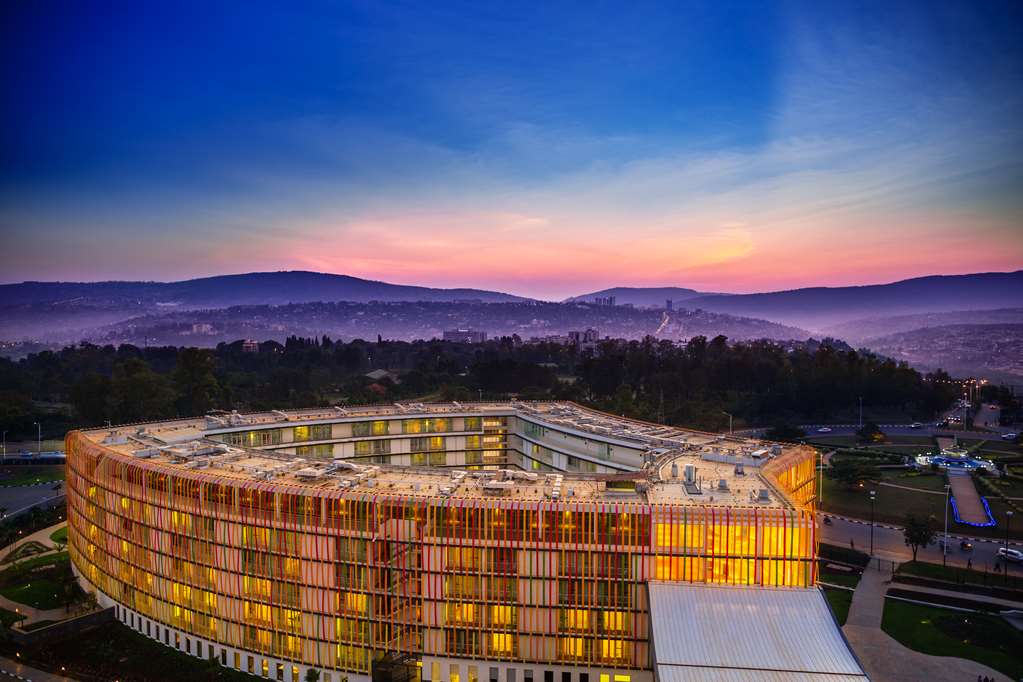
Rwanda has become the second-most-visited African destination for Nigerian travellers in the past five years — behind only South Africa. The reasons are practical: visa-free entry on the Nigerian passport, direct and one-stop flight options from Lagos and Abuja, a Nigerian community in Kigali large enough to feel familiar within a day, and a city safe enough that solo Lagosian travellers describe it as a change of pace from Lagos in the best way. This is the complete 2026 guide.
Visa — none required
Nigerian passport holders enter Rwanda visa-free for up to 30 days. No application, no fee, no advance paperwork. You arrive at Kigali International Airport, present your passport, and walk through. The only thing immigration may ask is to see your return ticket and proof of accommodation — keep these handy.
- Visa cost: Free (visa-free for AU citizens)
- Validity on arrival: 30 days
- Required documents: Valid Nigerian passport (6+ months remaining), return ticket, proof of accommodation
- Yellow fever certificate: Required if you're flying from Nigeria, yes (Nigeria is a yellow-fever-endemic country). Don't forget the yellow card.
For a longer stay or multi-country East African trip, see our Rwanda visa types 2026 guide.
Flights — Lagos and Abuja to Kigali
There are three main flight options between Nigeria and Rwanda in 2026:
- RwandAir direct from Lagos (LOS) to Kigali (KGL). The most-used option for Nigerian visitors. Direct flight, ~5 hours, several departures per week. Currently the fastest and most-popular route. Round-trip economy typically ₦650,000-₦1,200,000 depending on season.
- RwandAir via Lagos from Abuja (ABV). Connects through Lagos or via Cotonou depending on the day. Adds 2-4 hours total trip time. Useful for Abuja-based travellers who don't want the Lagos drive.
- Kenya Airways or Ethiopian Airlines via Nairobi or Addis. One-stop options. Generally cheaper than direct RwandAir, but adds 4-8 hours including layover. Useful when RwandAir prices spike.
Booking tip: RwandAir's direct prices fluctuate sharply. Book 6-10 weeks ahead for the best rates. Wednesday and Tuesday departures are usually cheaper than weekend flights. For Eid, Christmas/New Year, or August holidays, expect prices to roughly double — book three months ahead.
Arriving at Kigali International Airport (KGL)
Kigali International Airport is small, modern, and efficient. From plane to taxi rank typically takes 30-40 minutes including baggage. The arrivals hall has working ATMs (more on this below), SIM card kiosks, and an information desk that genuinely helps. Taxis to the city centre cost 10,000-15,000 RWF (about ₦16,000-₦24,000); the airport's official taxi rank is to the right as you exit. Move (the local ride-hailing app, similar to Bolt) also works at the airport — slightly cheaper than the rank.
Currency and money — what to do at the airport
Rwanda uses the Rwandan Franc (RWF). The 2026 rate sits around 1,300 RWF per USD; roughly 800-900 RWF per ₦1,000 depending on the cross-rate. Plan to convert via one of three options:
- USD cash from Nigeria → RWF at the airport. The simplest. Bring $200-500 in USD cash, convert about half at the airport ATM, keep the rest for any high-end purchases. The airport exchange rate is fair.
- International debit/credit card → ATM withdrawal. GTBank, Zenith, UBA Mastercard/Visa cards work at most Kigali ATMs (especially Bank of Kigali, Equity, and KCB ATMs). Withdrawal limits are typically 400,000 RWF per transaction. Bring at least two cards in case one declines.
- MoMo (Mobile Money). Once you have a Rwandan SIM, you can set up MTN MoMo and transfer between USD and RWF via the app. Useful for the longer stay; overkill for a 3-5 day visit.
Most Kisimenti shops, hotels, and restaurants accept international cards. The brochette grills, the smaller pharmacies, and the moto-taxi rides are cash- or MoMo-only. Keep 20,000-40,000 RWF in cash for daily small purchases.
Where to stay — Nigerian-trip-appropriate hotels
Most first-time Nigerian visitors land in one of these clusters: the Convention Centre / Kisimenti area (closest to the Nigerian community), Kiyovu (the international-tier hotels), or Nyarutarama (quieter, near Kigali Heights).
radisson-blu-hotel-convention-centre-kigali isn't on Kisimenti yet. Claim it to appear in our directory.kigali-marriott-hotel isn't on Kisimenti yet. Claim it to appear in our directory.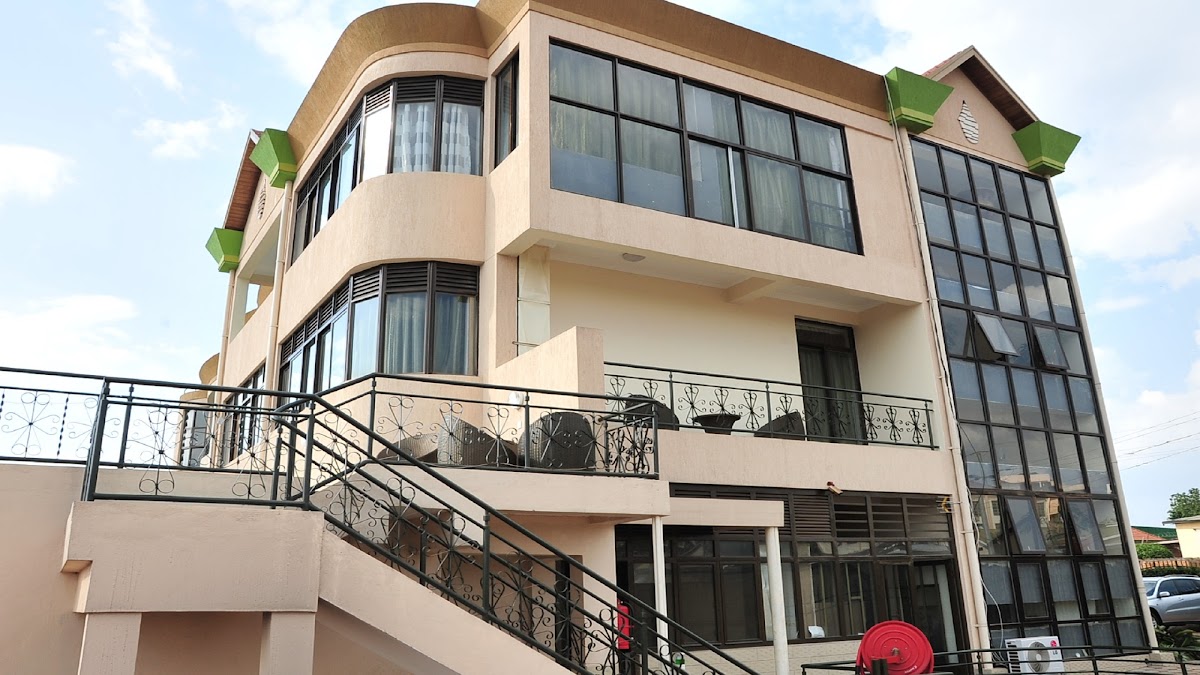
The Nigerian community in Kigali
Kigali has one of the most-active Nigerian diaspora communities in East Africa — concentrated in Kacyiru (the fintech and tech corridor), Kimihurura (consulting and creative), and Kisimenti (the broader business community). Within a day in the city you can be eating jollof at a Nigerian-run restaurant, getting your hair done at a salon catering specifically to West African hair textures, and meeting a Nigerian who's been in Rwanda for five years and runs a fintech.
Two community anchors in particular:
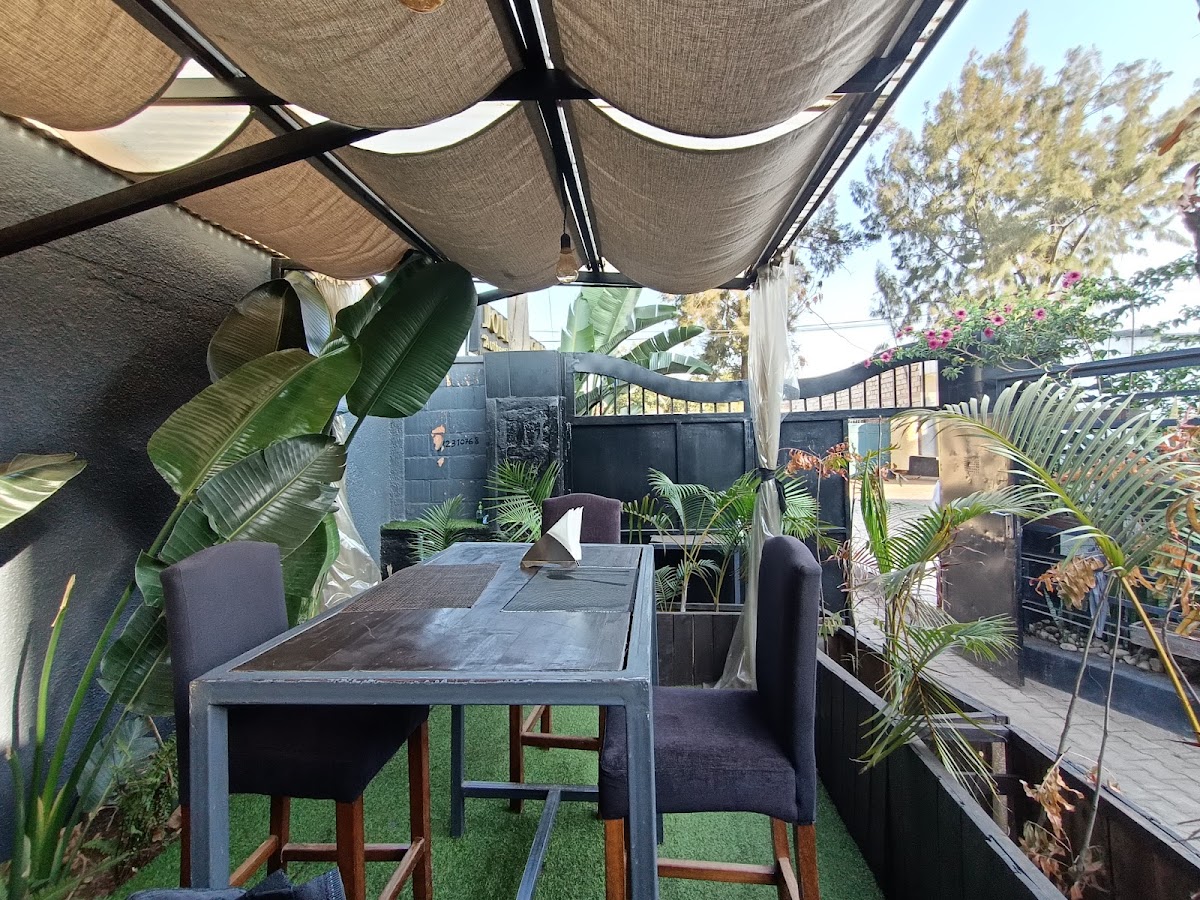
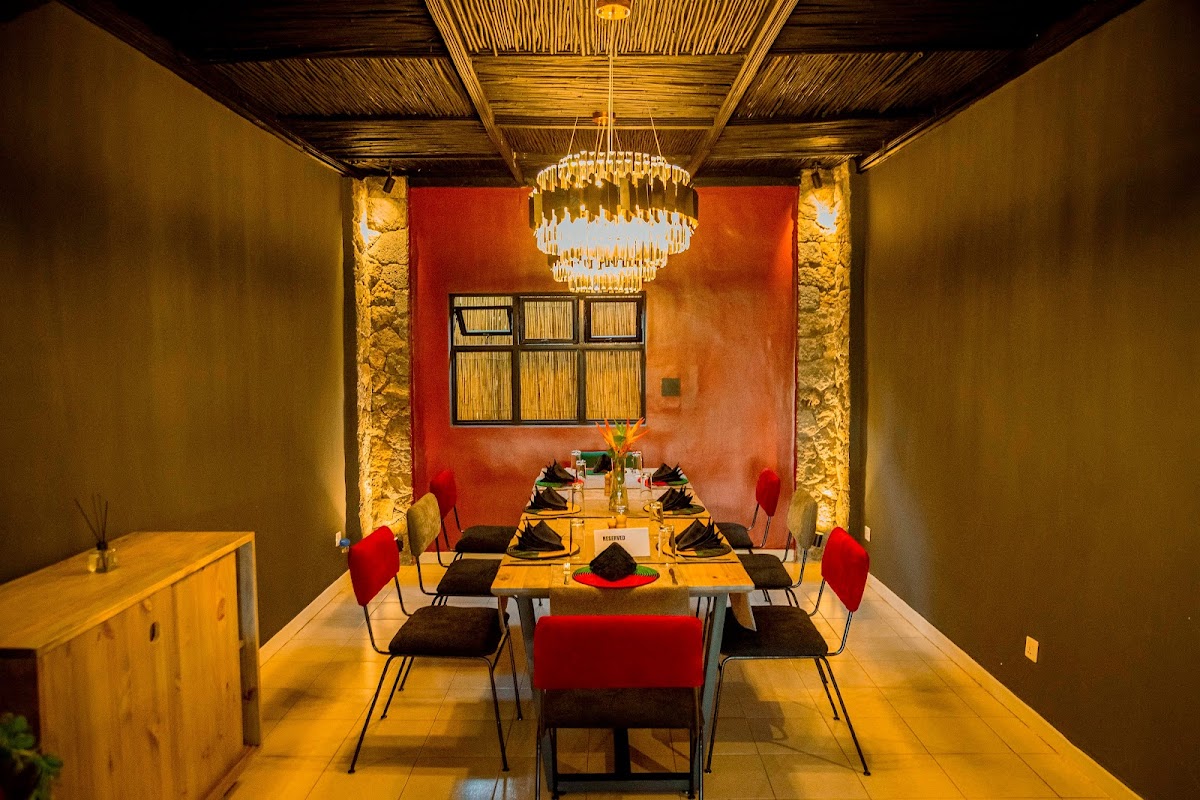
For a deeper read on the Nigerian community: Inside the Nigerian fintech community in Kacyiru.
What to do — a 5-day Nigerian-trip itinerary
- Day 1 — arrival. Land mid-afternoon, check in, dinner at Sole Luna or Arabic Palace in Kisimenti, early night.
- Day 2 — Kigali on foot. Morning: Kigali Genocide Memorial (mandatory; emotionally heavy but essential context). Lunch at Heaven Restaurant or Nature Kigali. Afternoon: walking Kisimenti, shopping at Simba Supermarket, fitting at a tailor like Prime Couture if you have a custom suit or dress in mind.
- Day 3 — the slow Kigali day. Working coffee at Question Coffee Gishushu. Lunch at Habesha (Ethiopian) or Khana Khazana (Indian). Afternoon at Inema Arts Center. Dinner at The Hut for the view.
- Day 4 — out of Kigali. Day trip to Akagera National Park (4 hours total) or, if you can extend the trip, two nights at Volcanoes National Park for gorilla trekking (requires advance permit — book months ahead).
- Day 5 — back to Kigali, the diaspora circuit. Final lunch at Jollof Kigali or Habesha. Final tailoring pickup. Final coffee bag from Question Coffee. Move to airport for evening flight home.
Practical things Nigerians wish they'd known
- No plastic bags. Rwanda has banned plastic bags since 2008. Customs will confiscate them on arrival. Bring a cloth bag if you need to carry liquids/items separately. Don't argue.
- The streets are clean. Kigali is famously clean. Littering carries actual fines. The cleanliness is part of why the city feels different — embrace it.
- Umuganda — last Saturday of the month. Community cleaning day, 8 AM - 11 AM. Some shops close, traffic is reduced, the city quiet. Plan around it if your trip overlaps.
- The volume is different. Kigali is much quieter than Lagos. The traffic doesn't honk constantly, the bars close earlier, the conversations are softer. Most Lagosians find this restorative; some find it eerie. Knowing in advance helps.
- English works, French helps, Kinyarwanda welcomed. English is widely spoken in business and hospitality settings. French still common with older Rwandans. Kinyarwanda greetings (muraho = hello, murakoze = thank you) are universally appreciated.
- The motos are cheaper than Bolt in Lagos. Moto-taxi rides cost 800-2,500 RWF for most in-city trips (₦1,300-₦4,000). Helmets are mandatory and provided by the driver.
- Tip discreetly. Tipping isn't expected the way it is in some other African cities. 10% at restaurants is generous. Round up moto fares as appreciation. Don't over-tip — it can read as condescending.
- Phone-coverage is excellent everywhere. Both MTN Rwanda and Airtel Rwanda have full-LTE coverage across Kigali. Get a SIM at the airport (5,000-15,000 RWF for SIM + first data bundle) and you're online before you reach the hotel.
What to bring from Nigeria
- Yellow fever certificate. Don't fly without it from Lagos — they will turn you back.
- A small amount of Naira to convert at the airport on the way home. Most ATMs in Kigali don't dispense Naira; convert before you fly out.
- Cocoa products, suya spice, ground crayfish. Hard to find in Kigali. Worth bringing for the diaspora community if you have local friends to visit.
- A power-bank. Power supply in Kigali is reliable, but the long days of walking can drain phones. Plug type C/J (European 2-pin and 3-pin), 230V — your Nigerian charger needs an adapter.
- Light layers. Kigali is cooler than Lagos (1,500m altitude). Mornings and evenings can be 15-18°C; days are 25-28°C. Pack a light jumper for the evenings.
Related: Rwanda visa types in 2026, From Lagos to Kigali — moving guide, Inside the Nigerian fintech community in Kacyiru, Where the diaspora eat first when they land in Kigali. Browse every hotel on the directory.