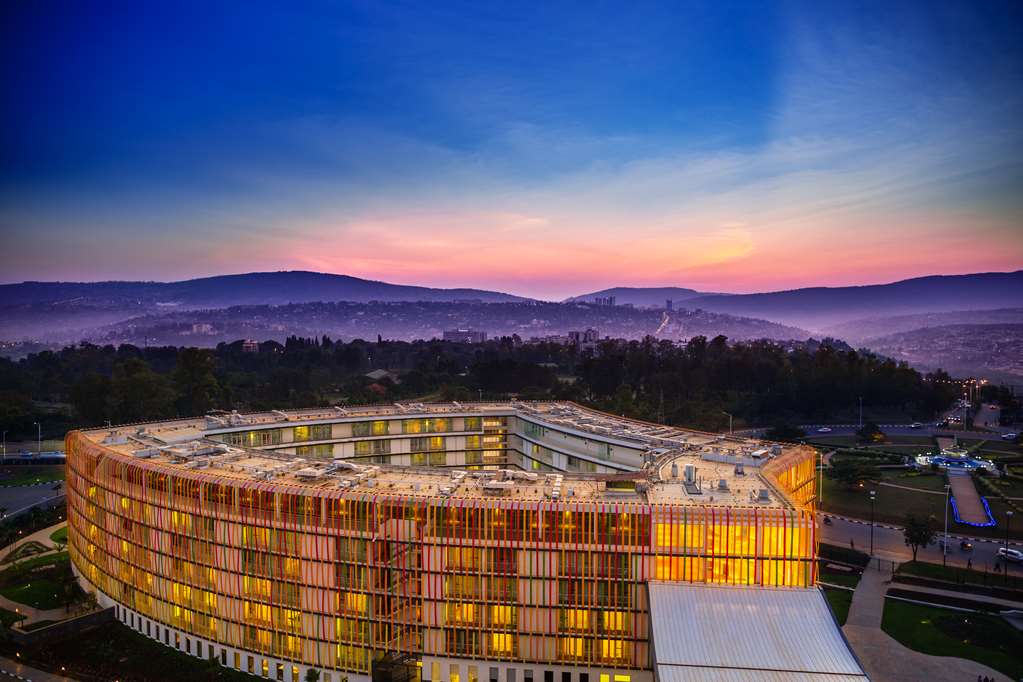
Rwanda gets two kinds of visitor advice. There's the gorilla-trek list — the bucket-list paragraph that's been written a thousand times in glossy travel magazines, and which is genuinely worth doing but says nothing about what the rest of the country is like. And there's the carefully worded peace-and-reconciliation paragraph, which is sincere and which most visitors come prepared for. Neither is useful for the question most first-time visitors actually have: what do I do when I land?
Here is what to do when you land. Sleep in Kacyiru or Kimihurura, walk to a café in the morning, eat a slow lunch, drive somewhere outside the city on day two, and treat the country as small. Rwanda is the size of Belgium. You can feel it in a week.
Before you come
- Visa. Most nationalities get visa-on-arrival, 30 days. Some EAC and African Union nationals enter visa-free. Confirm at the official immigration site two weeks out.
- Yellow fever. Required if you're coming from a country with active transmission. Bring the card.
- Plastic bags. Illegal. Don't bring any in. Confiscated at the airport.
- Cash. Bring some USD for the first day, but Kigali runs on mobile money and cards. You don't need much cash.
- Power. Type C and Type J sockets, 230V. A European adapter handles it.
- Language. Kinyarwanda first, then English (official), then French (still widely understood). English alone is fine in Kigali.
Where to land your first night
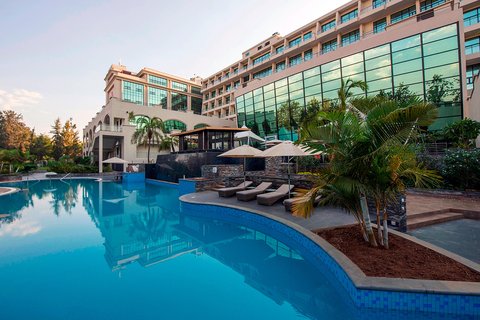
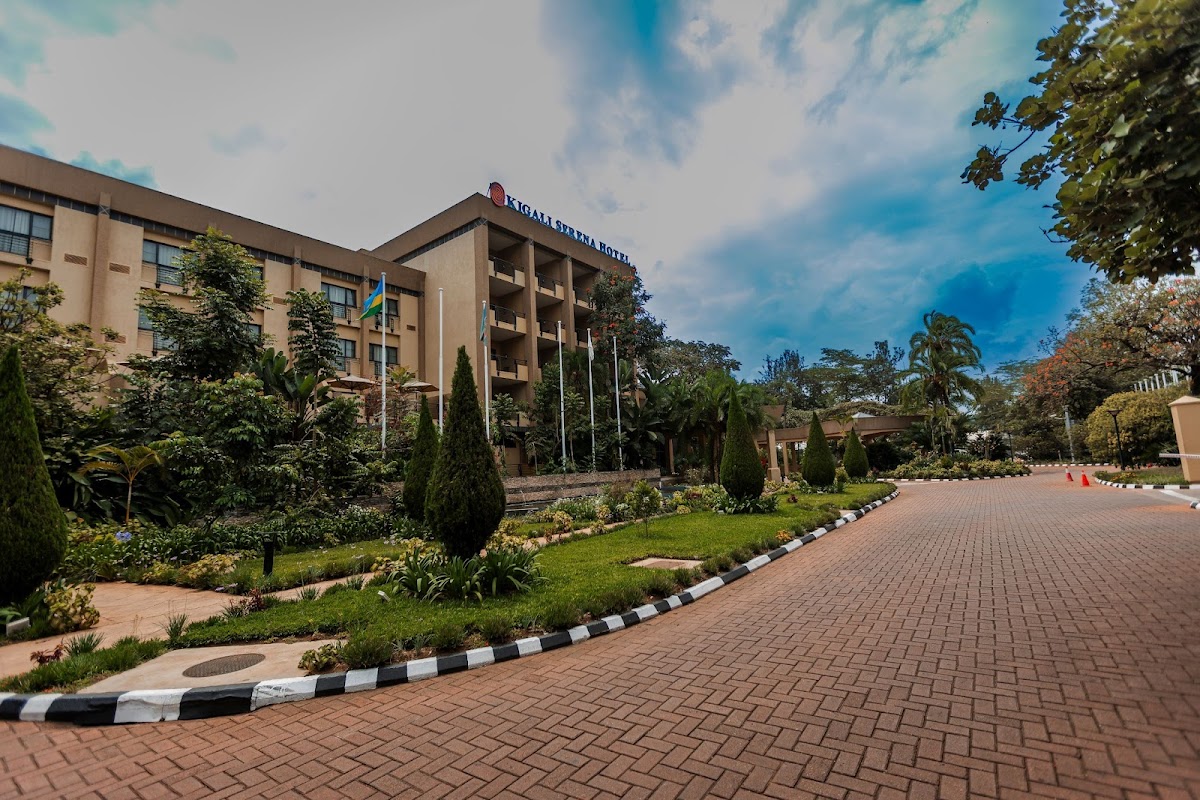
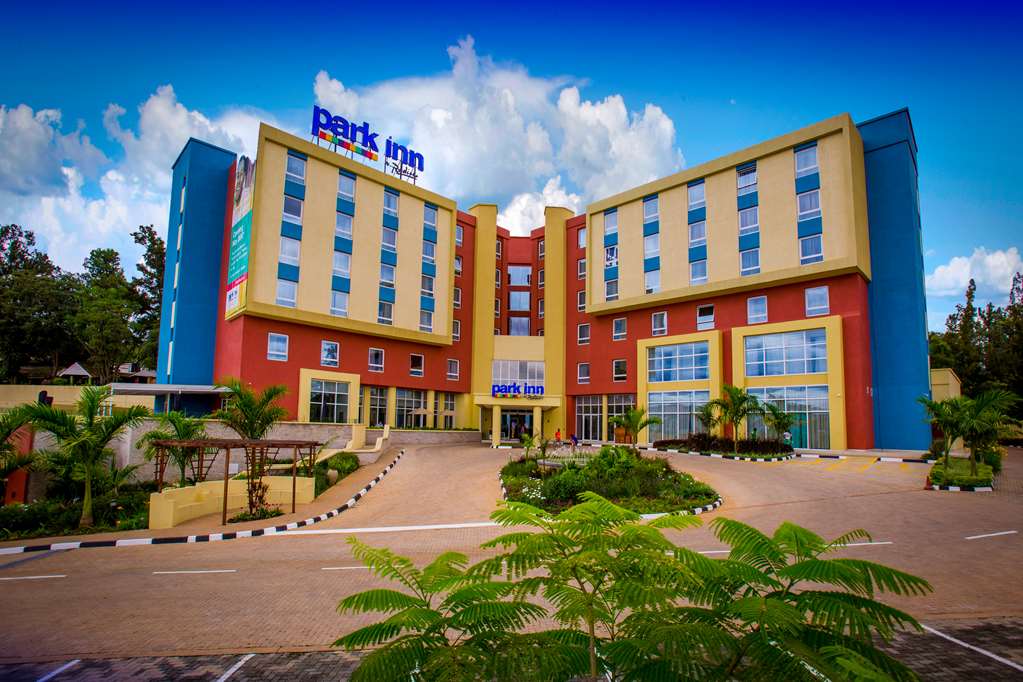
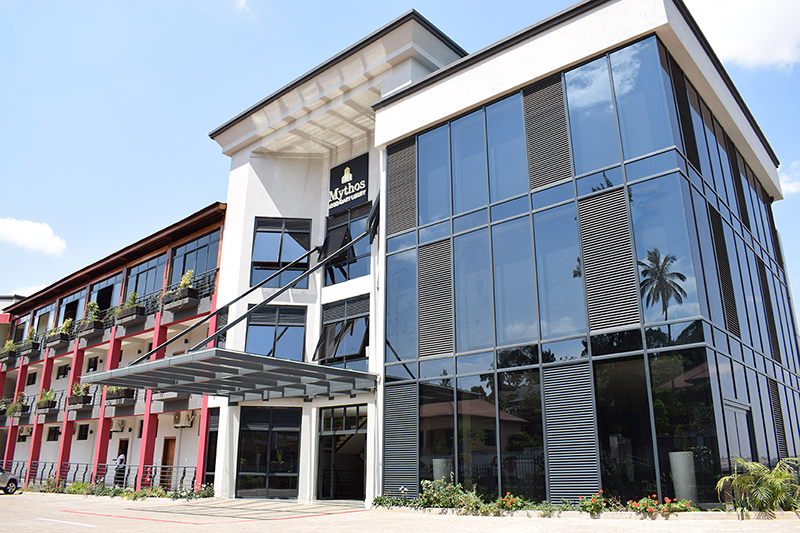
Three neighbourhoods get most of the visitor traffic, and each works for a different kind of trip.
Day one in Kigali — a working route
Most visitors lose half their first day to jet-lag and the city's hill geography. The route that works:
- Morning — coffee at Question Coffee Gishushu. Settle in, watch how Kigali starts the day.
- Late morning — visit the Kigali Genocide Memorial. Two hours. It's heavy, but every first-time visitor we know is glad they went on day one.
- Lunch — pick a restaurant in Gisimenti or Kimihurura. Not Pili Pili (it's a sunset place). The Hut, Repub Lounge, or Sole Luna all work.
- Afternoon — a walk through Kimihurura's café-and-shop strip or the Kacyiru loop. Don't try to see anything. Get a feel for the city.
- Sunset — Pili Pili or any rooftop. The light over Kigali at 6pm is the postcard.
- Dinner — light. Your stomach hasn't caught up yet.
Where to eat (the short list)
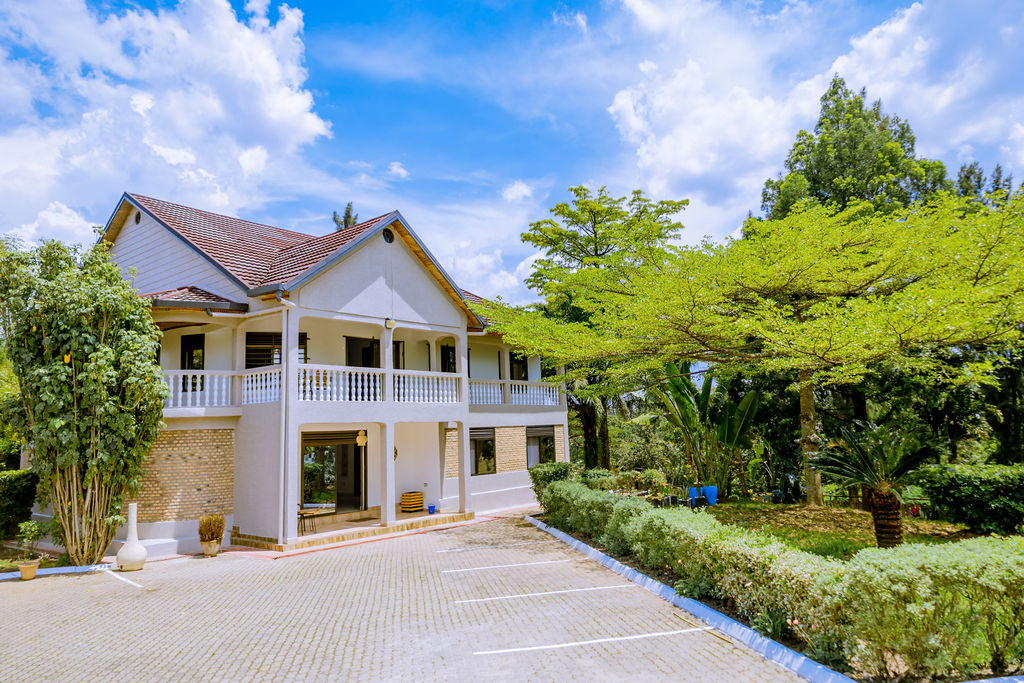
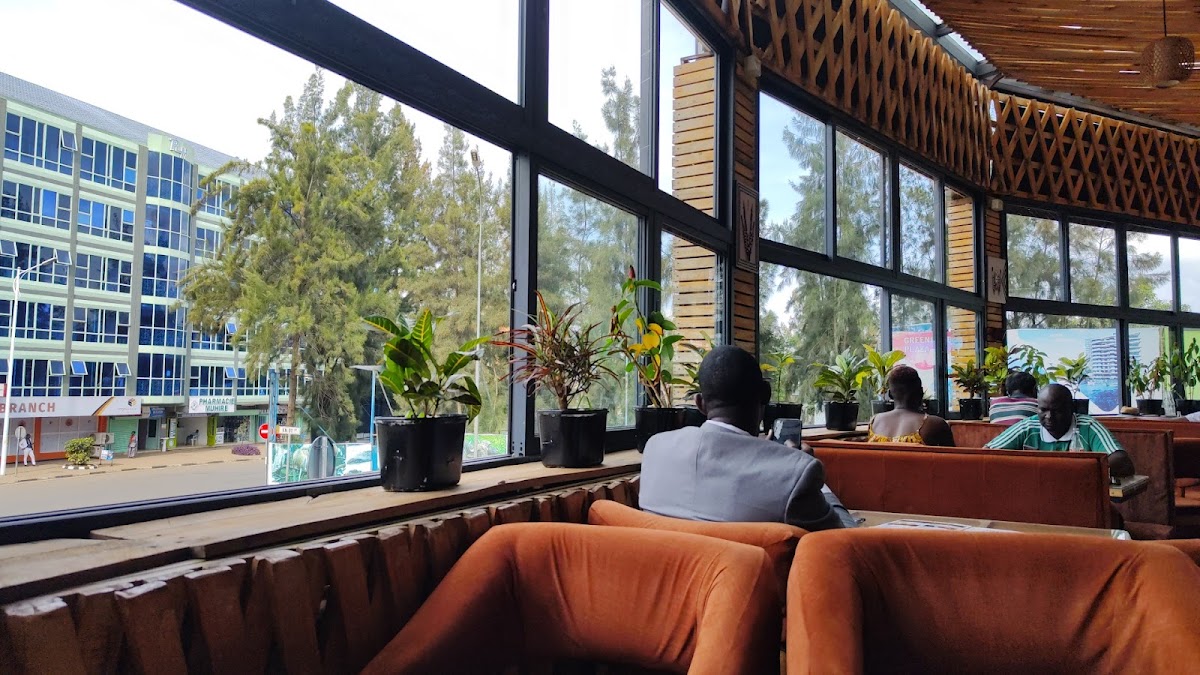
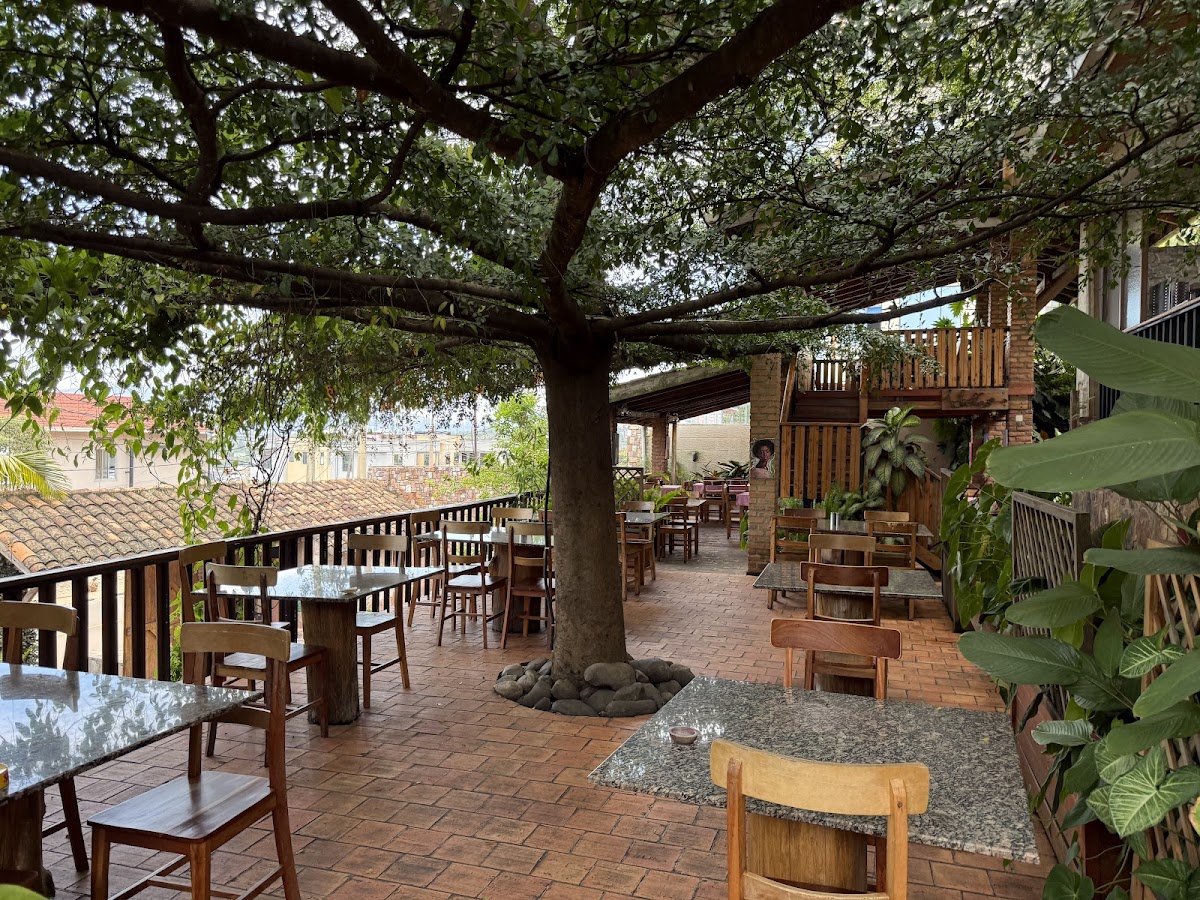
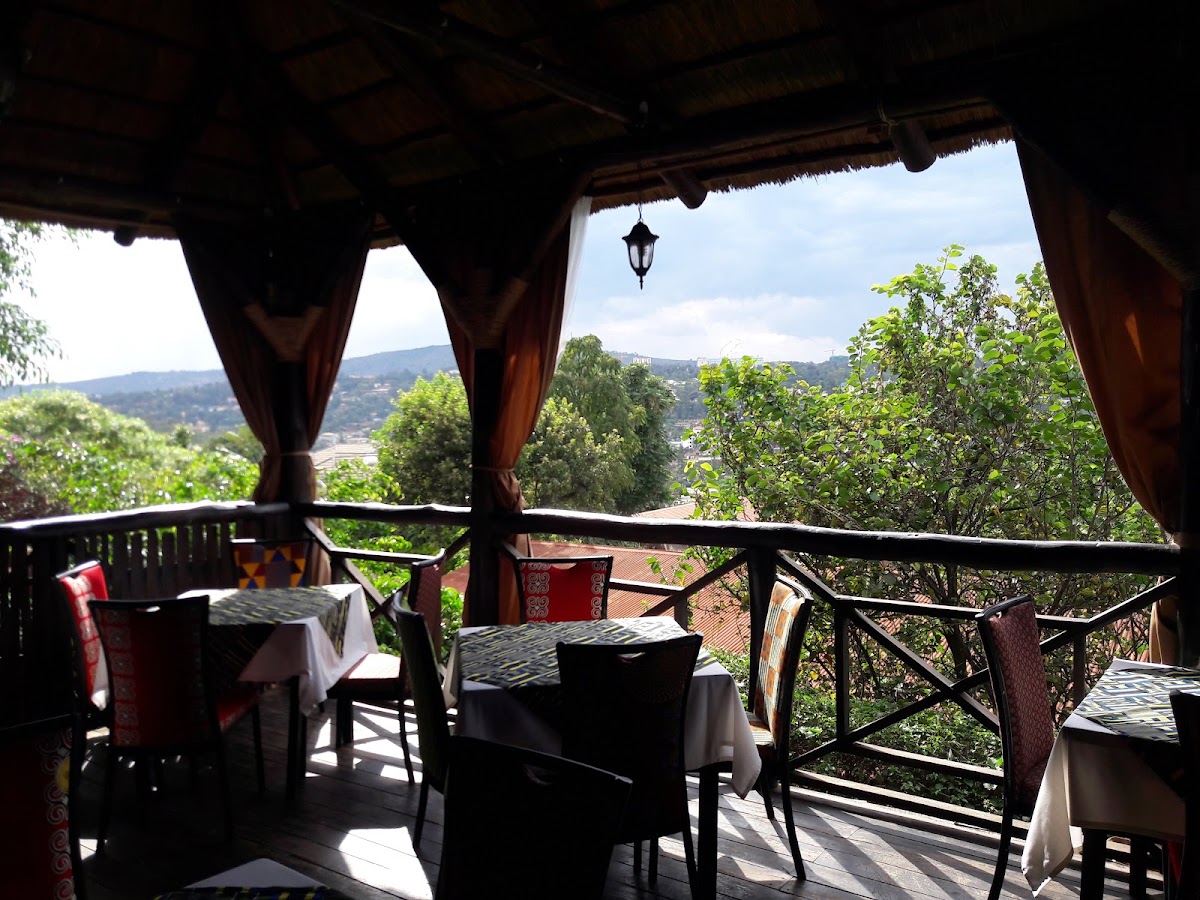

For the long list — by cuisine, by area, by price — see our Kigali restaurant guide.
Outside Kigali, on a one-week trip
Rwanda is small enough that any two of these fit into a week. Pick the ones that match your trip:
Volcanoes National Park (north, 3 hours from Kigali)
The gorilla trek. Book months ahead through the Rwanda Development Board. Permits are 1,500 USD per person per day — expensive on purpose, used to fund conservation. The trek itself is half a day; most people stay overnight in Musanze. Don't book this in week one if you can avoid jet lag.
Lake Kivu (west, 3 hours from Kigali)
Rubavu (Gisenyi) on the north shore is the standard stop. Boat tours, lakeside hotels, easy beach time. The road from Kigali to Rubavu is one of the better drives in East Africa — winding through the Congo-Nile divide.
Nyungwe Forest (south-west, 5 hours from Kigali)
Old-growth rainforest, canopy walk, chimp trekking. Less visited than Volcanoes; more time required. Worth it if rainforest is what you're here for.
Akagera National Park (east, 2.5 hours from Kigali)
The savannah park. Lions, leopards, giraffe, elephants. Smaller than the famous East African parks but accessible from Kigali on a long day trip. Underrated.
Huye / Butare (south, 2.5 hours)
The country's intellectual capital — University of Rwanda's main campus, the National Museum, a quieter pace. Underrated for a one-night detour.
Things visitors get wrong
- Trying to see too much in too few days. Rwanda is small, but the roads are slow. Plan one major out-of-Kigali outing per week, not three.
- Underestimating the altitude. Kigali is at 1,500m. Visitors from sea level feel it. Drink more water than you think.
- Booking the gorilla trek for the morning after arrival. Don't. The drive is three hours and the trek starts at 7am.
- Tipping awkwardly. 10% in restaurants is now standard. Hotels: 1,000-2,000 RWF per service. Drivers: 5,000-10,000 RWF for a half-day, 15,000-20,000 for full.
- Expecting noisy nightlife. Kigali is calm by African capital standards. Bars close earlier, music is quieter, there's no city-wide party district. That's a feature, not a bug.
The thing that surprises most visitors
How safe Kigali feels. Visitors arriving from Lagos, Nairobi, or Johannesburg keep the street-crime calibration of those cities for the first two days and then realise they don't need it. You can walk anywhere in Kigali at night, the moto-taxis run with helmets and registered drivers, the police are visible but not heavy. It's not flashy — there's no message about it on a tourism poster — but it's the single most-remarked-on thing in visitor reviews of our city.
More Visiting Rwanda pieces coming in the next few weeks: best hotels in Kigali by neighbourhood, what to do in Musanze, the Nyungwe vs Volcanoes question, and Rwanda by season. For Kigali specifically, see our restaurants and walking-Kisimenti guides.