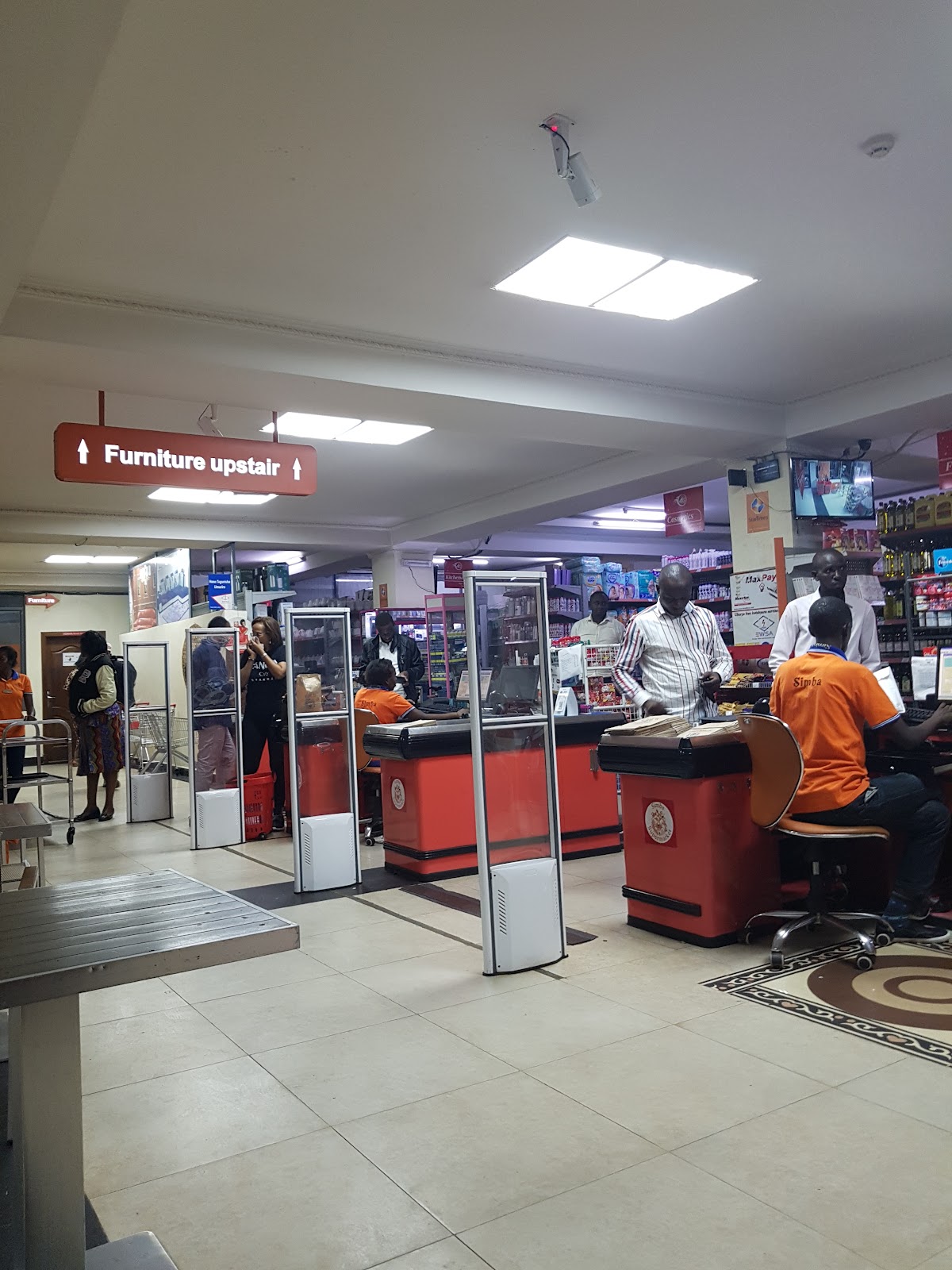
Walk into Simba Supermarket Gishushu on a Friday afternoon and the room makes immediate sense. Two storeys, fluorescent-lit, a café on the ground floor where you can buy a Rolex and a cappuccino for under 5,000 RWF, aisles narrow enough that two trolleys make a queue. A reviewer summed it up plainly: one of the best places for good breakfast — two Rolex and a big cappuccino at 5K. The next reviewer noted that the alcoholic drinks aren't allowed in the café but you can drink them on the patio. The room is unfussy, the prices are competitive, and the queue at the till is long enough to read three news pages on your phone.
It's also the anchor that built the entire Kisimenti commercial district around it.
The numbers Simba is doing
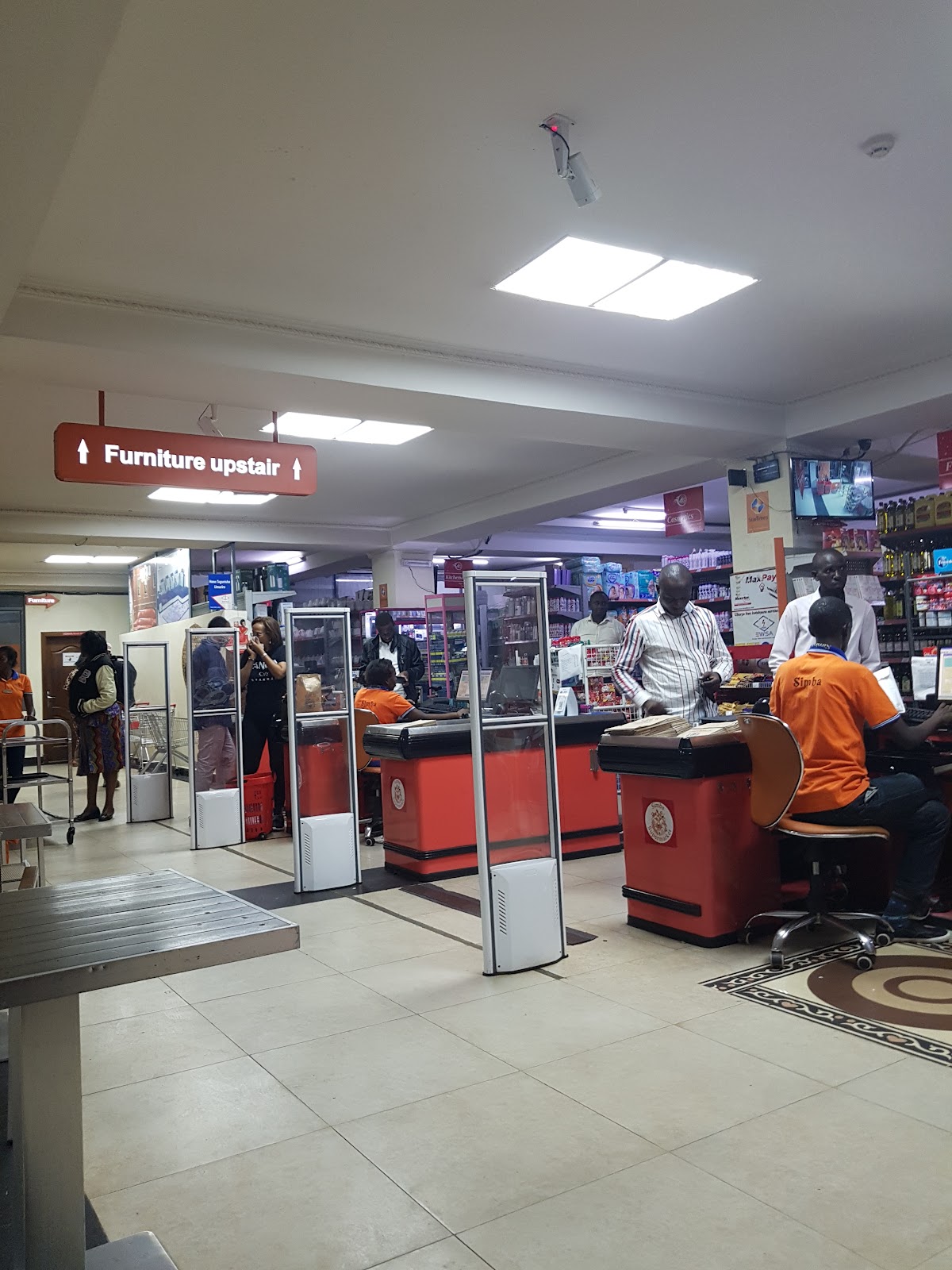
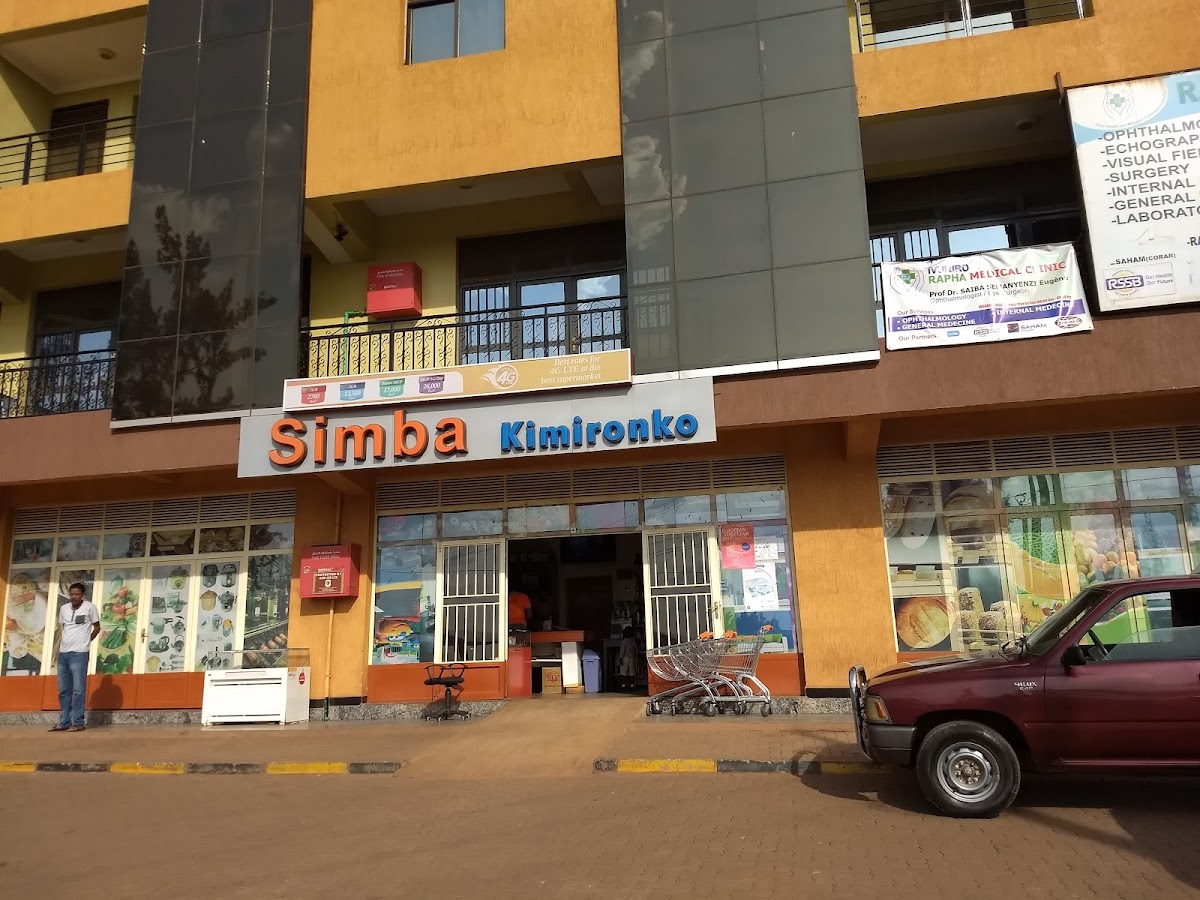
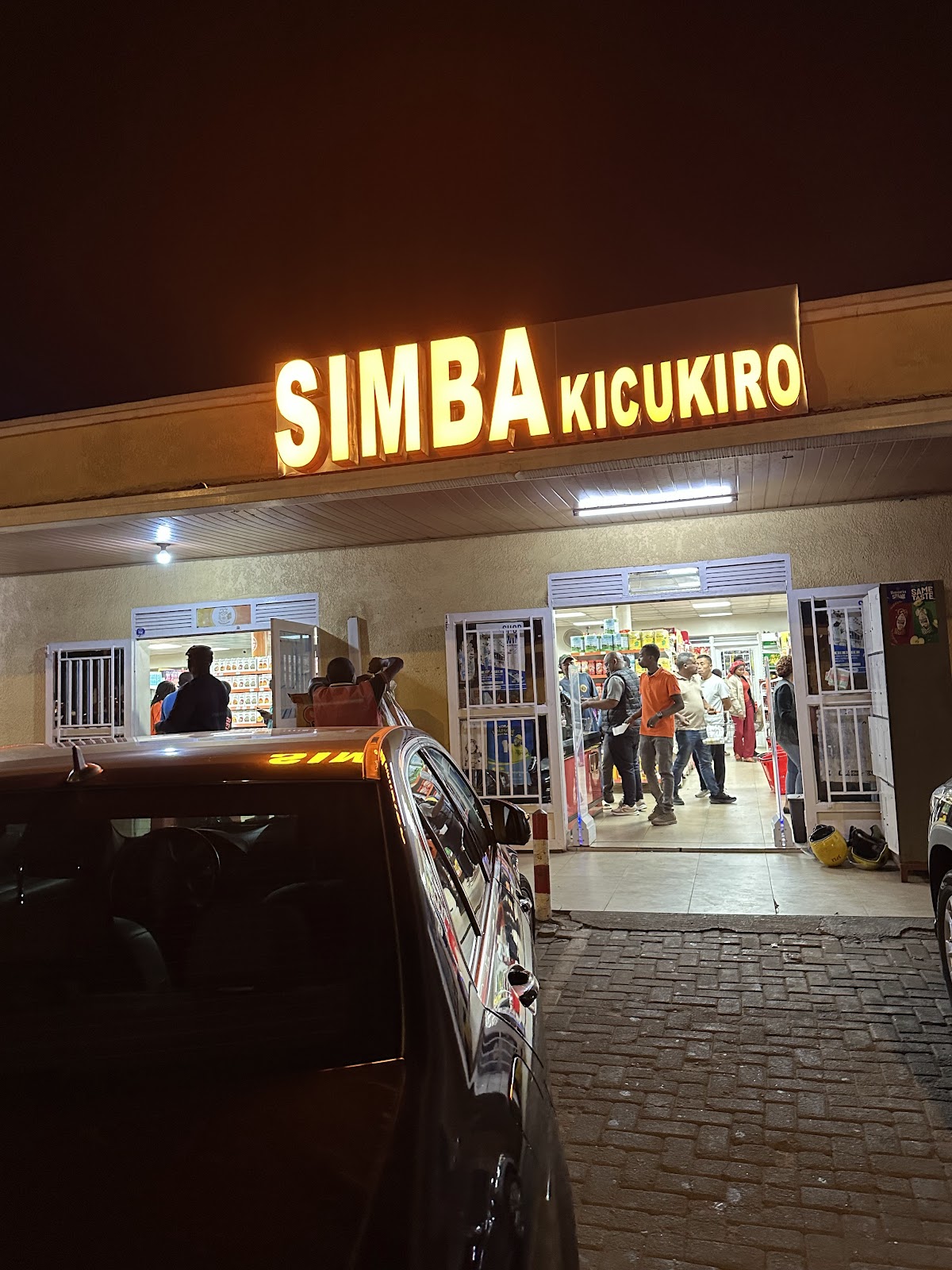
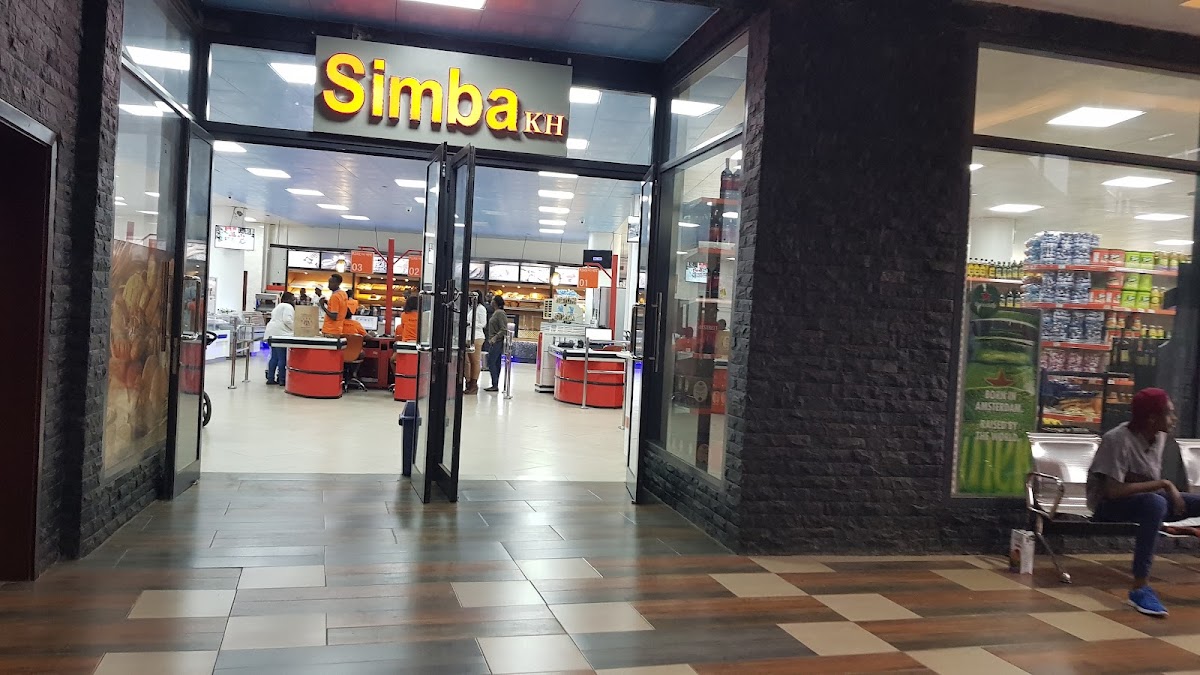
Add the Nyabugogo flagship (1,181 reviews) and the smaller Rebero branch and you have a chain carrying nearly 5,300 reviews across five locations — making Simba the most-reviewed grocery operation in Rwanda by a substantial distance. The 4-star rating holds across all five locations. That kind of consistency at this scale is rare; it usually means a reliable supply chain, stable management, and the kind of operations discipline that doesn't show up in marketing copy but shows up at the till.
How the anchor effect built the rest of the district
When a single business pulls thousands of weekly visits, every other category of retail starts noticing. The cafés open within walking distance because shoppers want a coffee after the trolley. The pharmacies open because people pick up a script on the way home. The salons open because the after-shopping appointment is the third stop of the day. The boutiques open because the customer is already there with a wallet open. Mall developers call this the anchor-and-line effect. Kisimenti is a real-world example of the same dynamic without a mall — instead, an open-street commercial cluster where the anchor is a single high-volume supermarket and the line is the entire neighbourhood.
The proof shows up in the density numbers. Within a one-kilometre radius of Simba Gishushu, our directory carries:
- 55 restaurants — the most-reviewed restaurant cluster in Kigali
- 36 cafés — Question Coffee's 1,304-review flagship plus another 35 working-day rooms
- 35 salons — more per-kilometre than anywhere else in the city
- 11 pharmacies — every Kigali chain has a Kisimenti branch
- 20 fashion shops — boutiques, tailors, fabric, jewellery clustered along the same streets
- 18 grocery & supermarkets including the smaller Marine Supermarket, Sawa Citi, Deluxe Trading and DMall, all positioning relative to Simba's foot traffic
The smaller operations all benefit from Simba being there. None of them are competing for the same trip — they're catching the adjacent trip. The salon owner doesn't think I'll capture the supermarket customer; she thinks the supermarket customer will see my sign while parking. That visibility is the cluster's hidden infrastructure.
What customers actually say about Simba
Across the Gishushu flagship's 1,524 reviews, a few recurring patterns dominate:
- Pricing. You get items at low prices compared to most of shops is the most common five-line review pattern. The pricing-to-shelf-quality ratio is what built the customer base. Bralirwa and Skol drinks are flagged repeatedly as priced below the surrounding shops.
- The café-inside-the-supermarket. The ground-floor café with its rolex-and-cappuccino breakfast is reviewed as its own destination — one of the best places for good breakfast — almost as much as the grocery itself.
- Variety. Reviewers describe finding products at Simba they couldn't find elsewhere in Kigali, particularly imported pantry items, baking ingredients, and specific international beverage brands.
- Queue length. The most common one- and two-star complaint is the till queue at peak hours. Simba's tills are notoriously slow at 6 PM on a Friday. The fact that the rating still sits at 4 stars at that volume tells you everything else is offsetting that drag.
The smaller groceries — what role they play
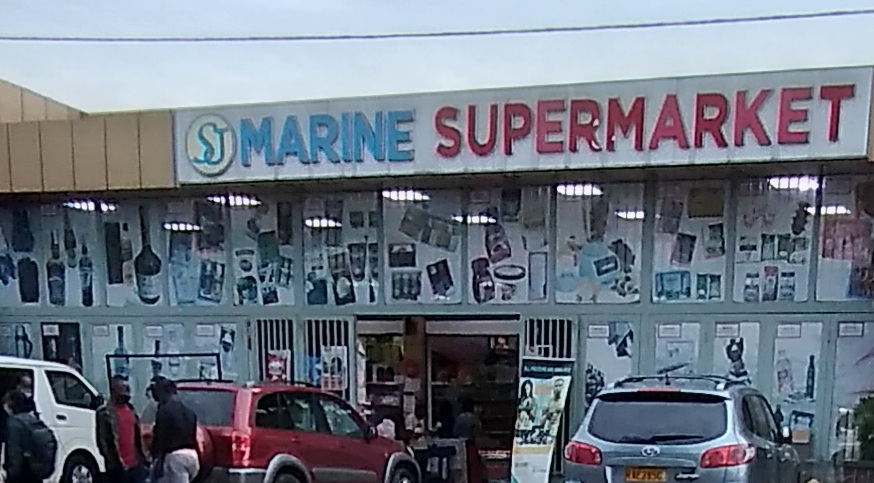
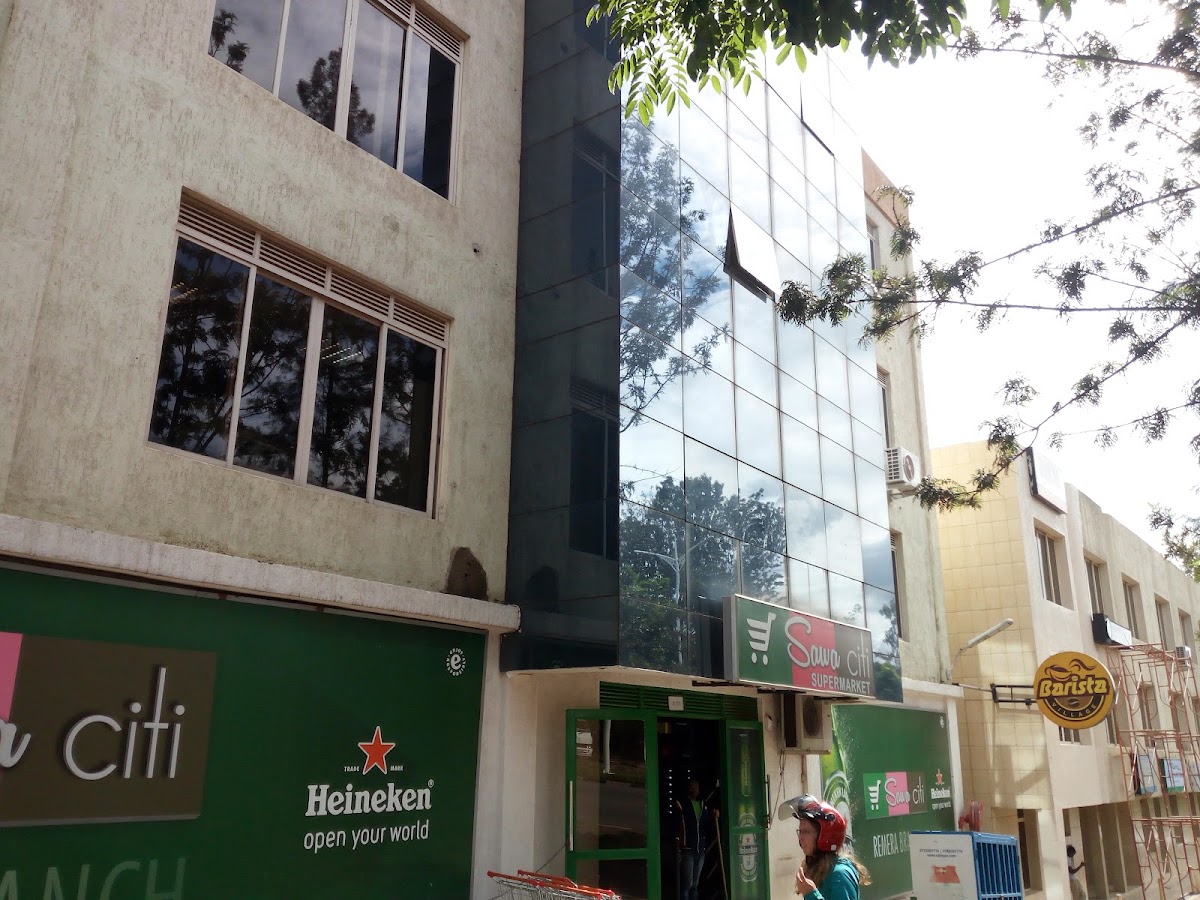
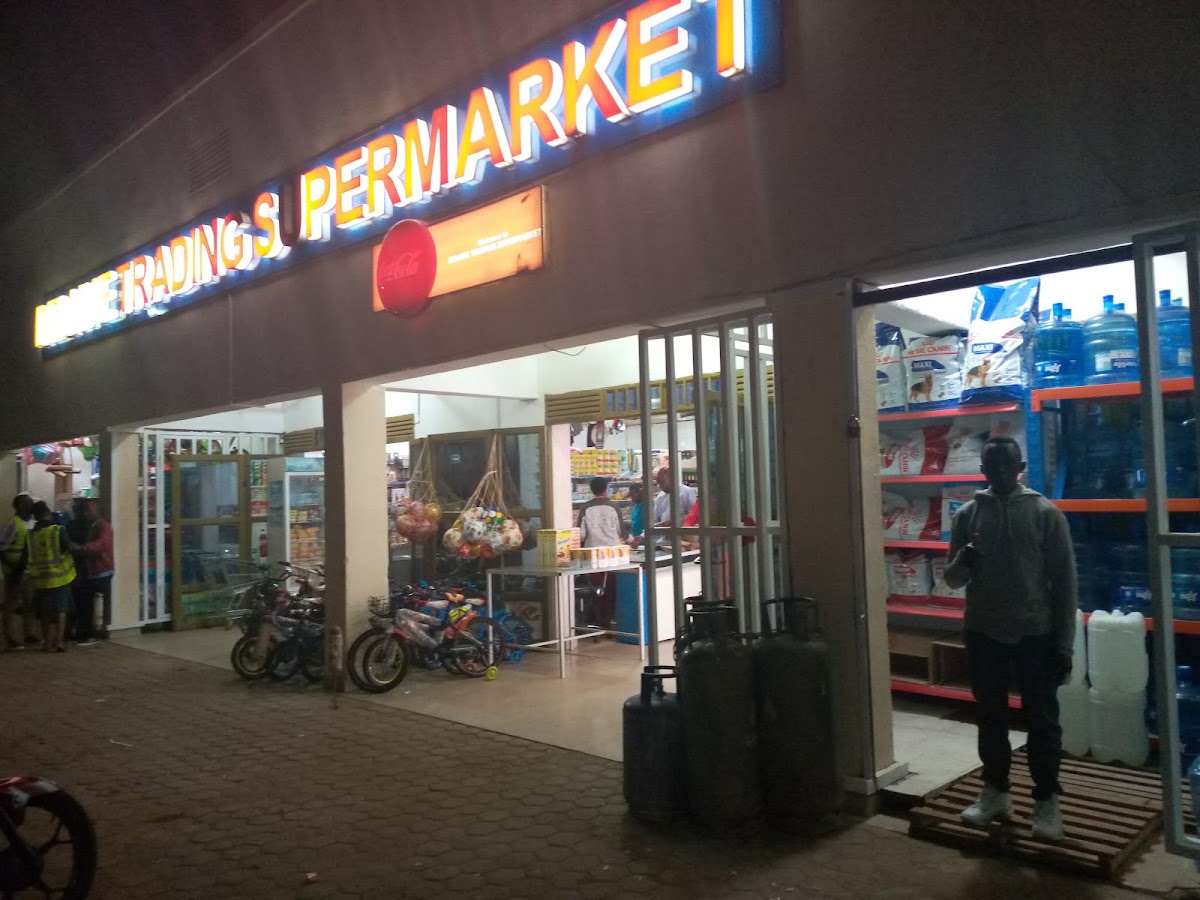
What's striking about the rest of the supermarket landscape in Kisimenti is that none of the smaller operators try to compete on Simba's terrain. They each pick a slot — Marine for convenience-format, Sawa Citi for the secondary weekly shop, Deluxe Trading for the imported-products customer, DMall for the new-development corridor. The anchor doesn't crowd everyone else out; it gives them a position to define themselves against.
What this means for shoppers
If you're new to Kigali and you only learn one supermarket, learn Simba Gishushu. The opening hours are reliable (7 AM to 9:30 PM most days), the parking is real, the SKU range is the broadest in the city outside the international hotels, and the prices are honest. After your second or third visit you'll know your way around well enough to use it as the base of every Kisimenti trip. From there, the rest of the district unfolds naturally. Five-minute walks to cafés, salons, pharmacies, boutiques and restaurants. The supermarket isn't just where you buy groceries. It's the gravity well that holds the district together.
Related: Why Kisimenti is called Kigali's shoppers' paradise, Walking Kisimenti in 90 minutes, Everything you can buy in Kisimenti. Browse every business on the directory.