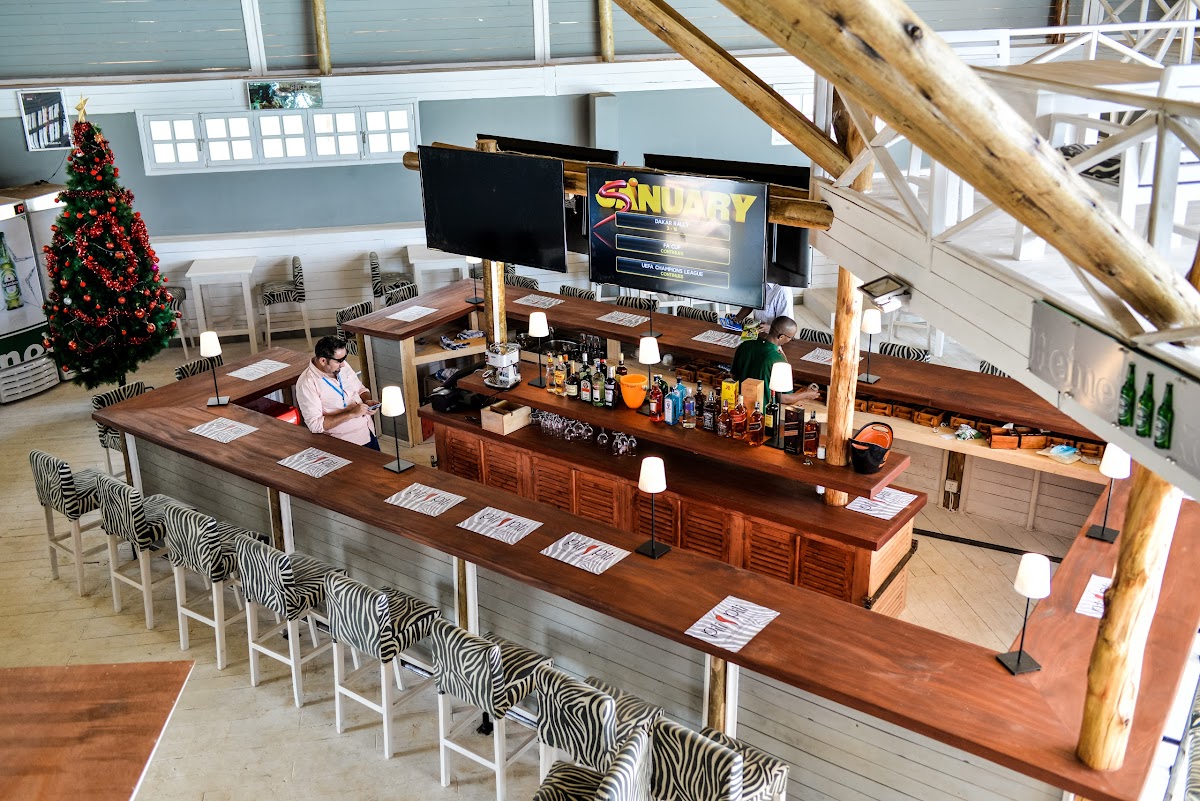
When a customer leaves a Google review, they sometimes attach a photo. Sometimes they attach five. The photo count per business is a different signal from the review count — and a different one again from the star rating. Some businesses with thousands of reviews barely get photographed. Some with a few hundred reviews get hundreds of images. The pattern, once you look at it, explains a surprising amount about how Kigali's word-of-mouth actually works.
We pulled every customer-uploaded photo across our directory of 2,292 Kigali businesses, indexed them by Place ID, and ranked. Three patterns came out clearly.
Pattern 1 — the view drives the camera
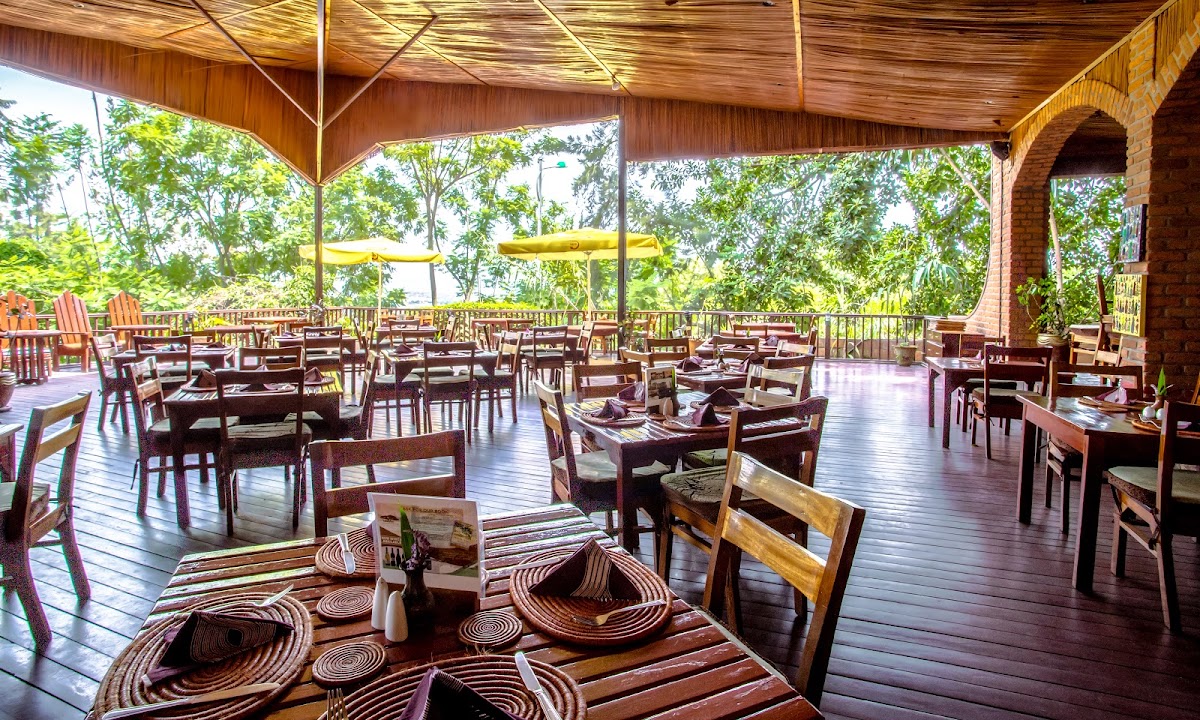
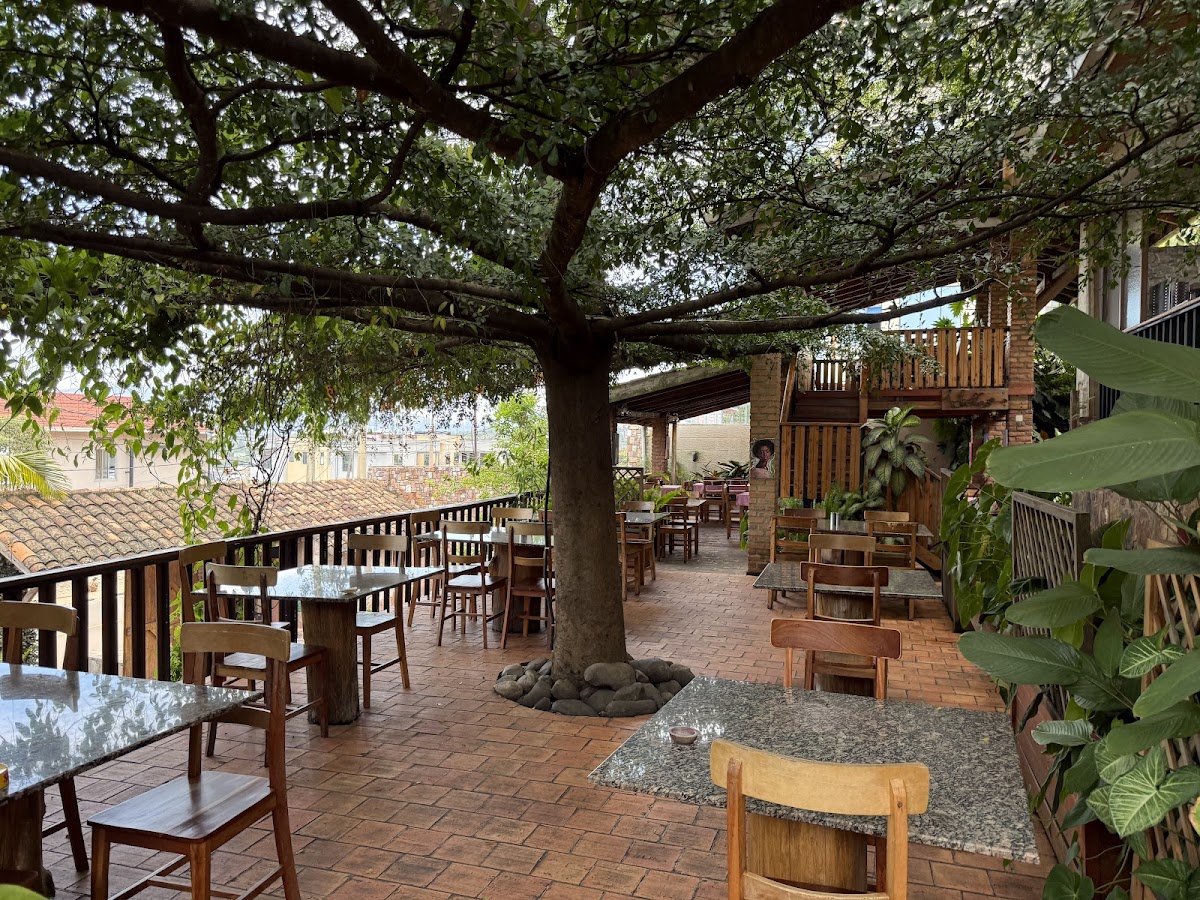
The most-photographed restaurants in Kigali are, almost without exception, the ones with the view. Nyarutarama's hilltop spots and the rooftop terraces of Kimihurura dominate the photo rankings. The food in some of these places is competently mid-range; the view is what people are pointing at.
Pattern 2 — the plate has to be plateable
After view, the next photo-driver is plating. Specifically: dishes with bright colour, clean negative space on the plate, and minimal sauce-puddling. The wood-fired pizza category is the most-photographed food category in Kigali by a wide margin. The Yemeni mandi category is a close second, partly because the dish itself arrives on a circular tray that frames well.
Pattern 3 — interiors that don't try too hard
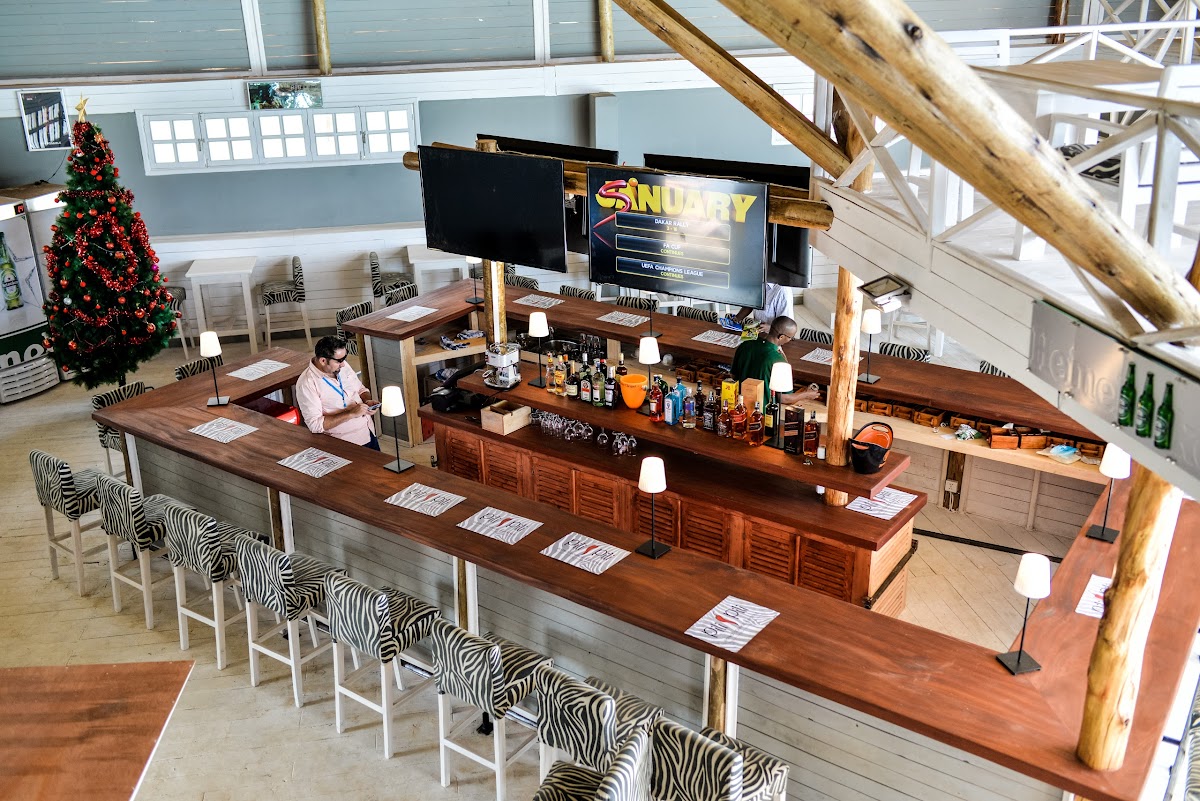
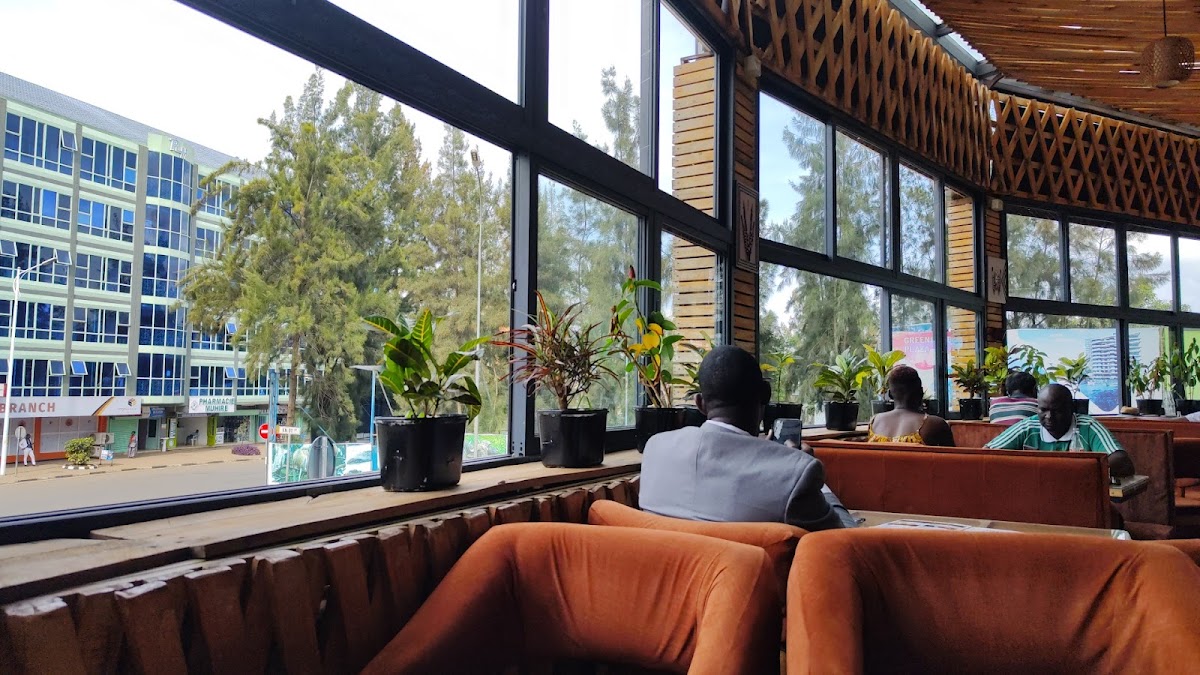
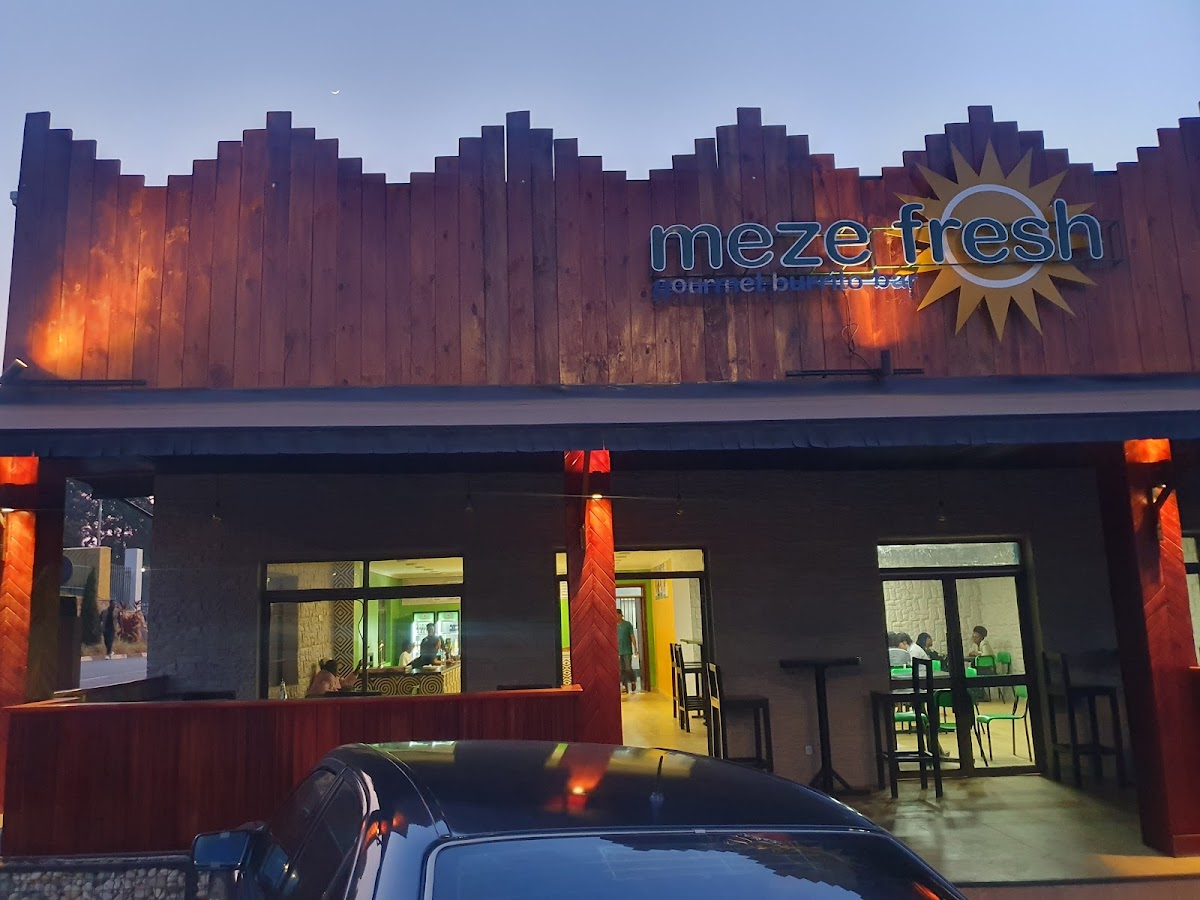
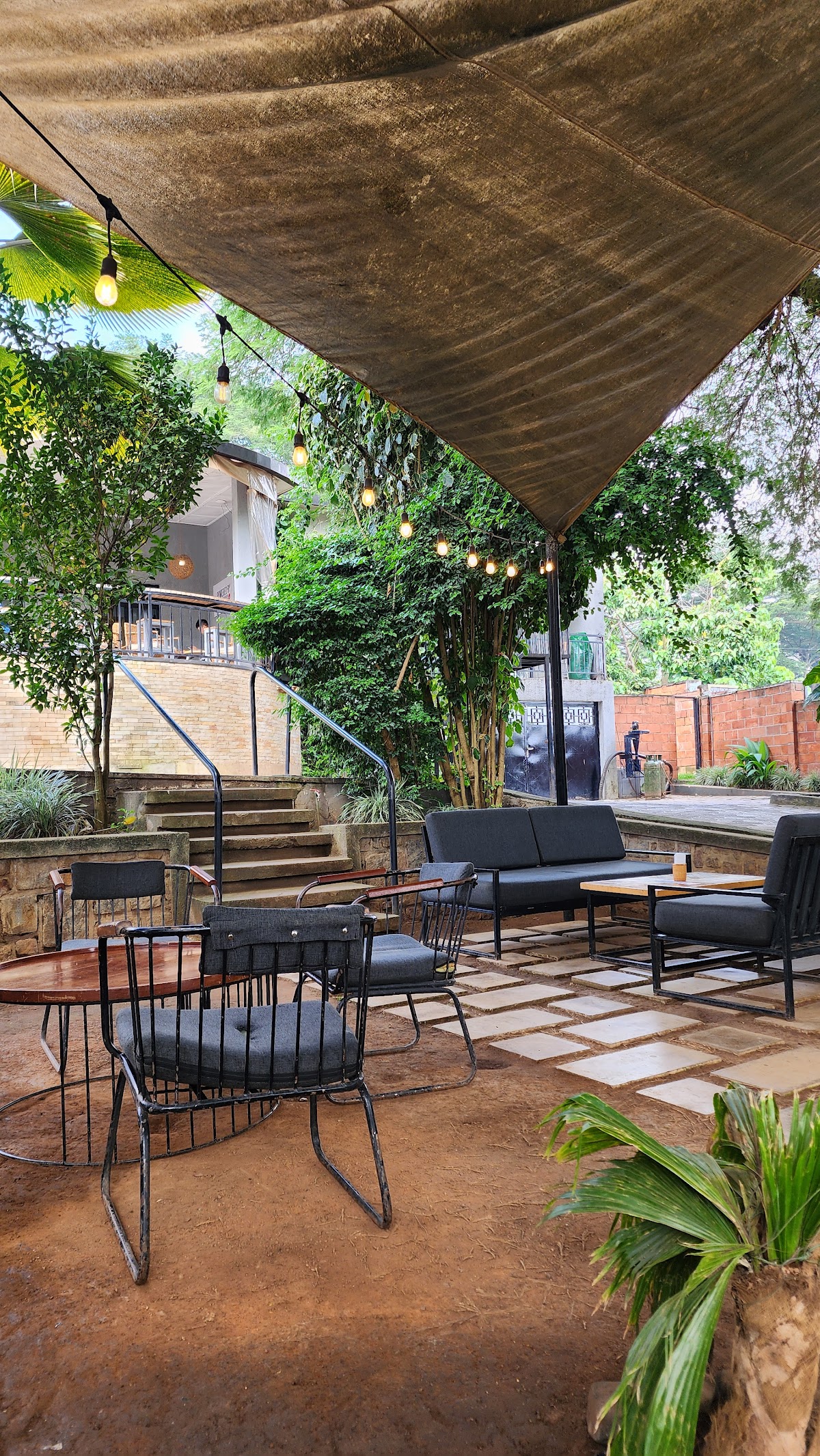
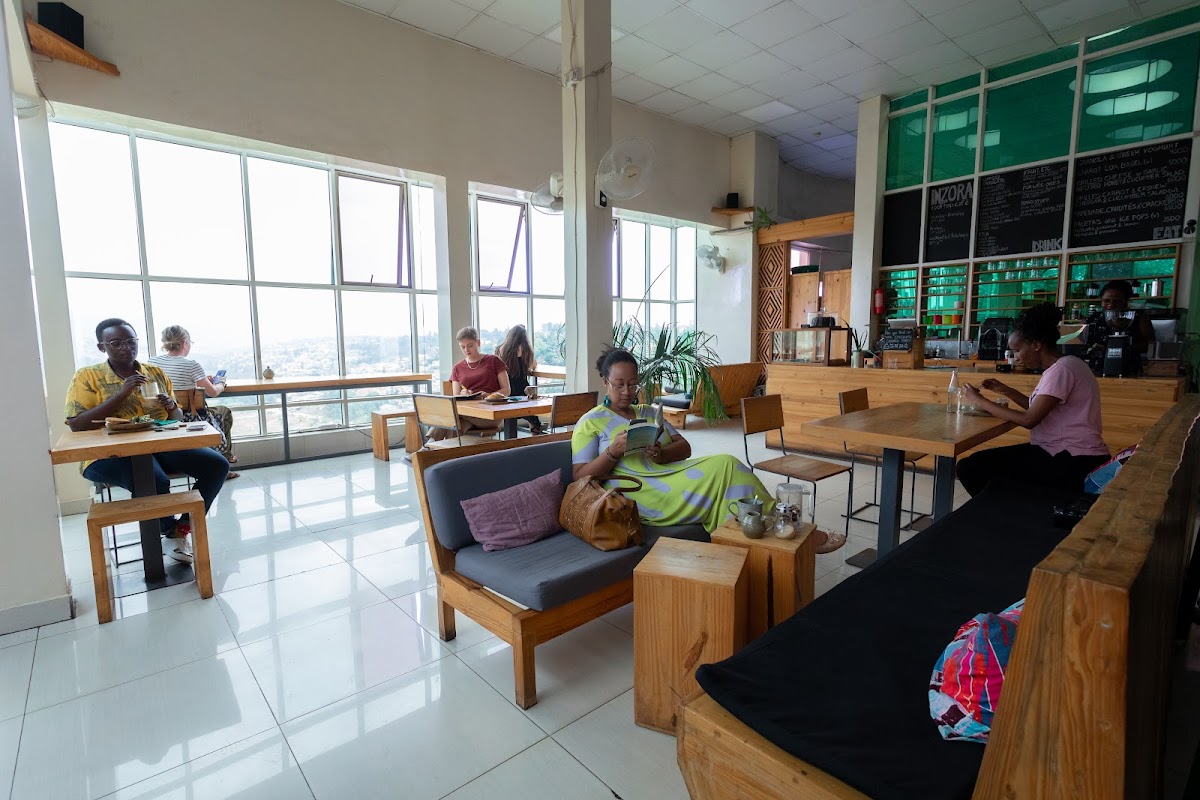
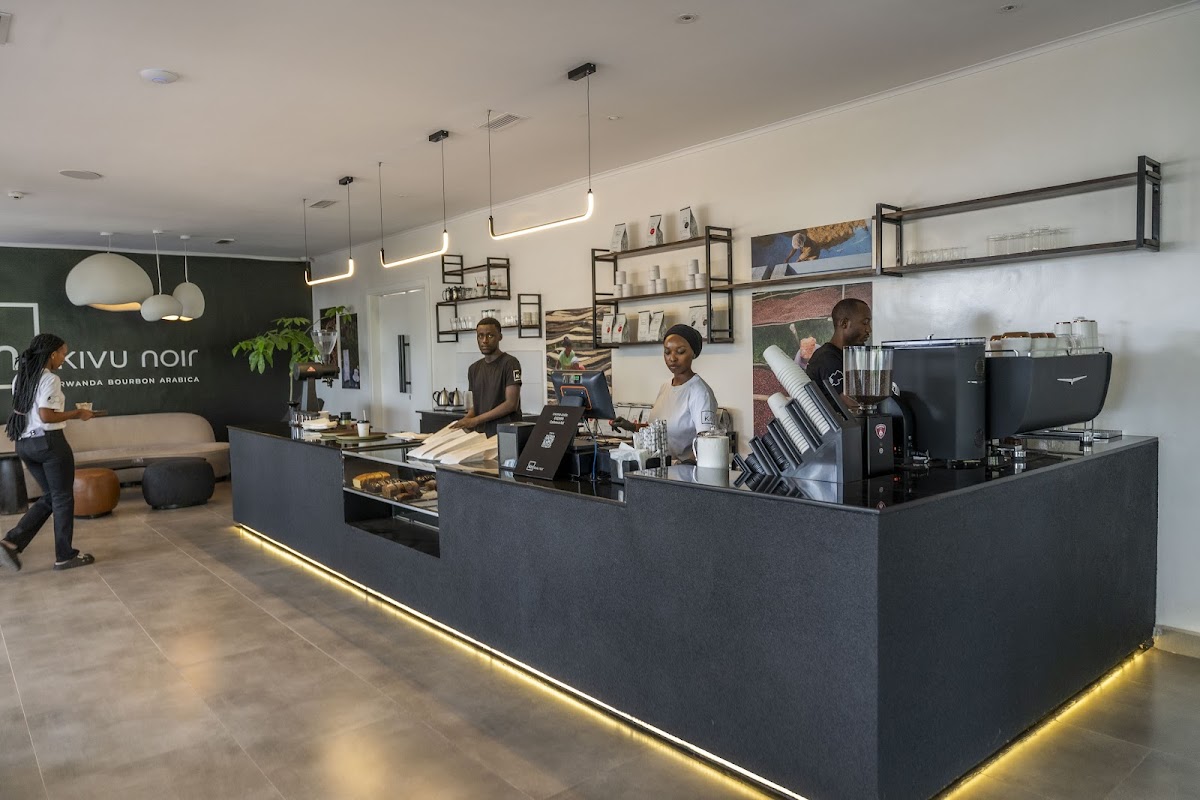
The third photo-driver is the room itself. Cafés especially. Question Coffee gets photographed for the natural light through its windows; Inzora gets photographed for the rooftop sightline. The trying-too-hard cafés — the ones with elaborate Instagram walls, neon signs, themed propping — get less photographed than the architecturally honest ones. The light is what people are pointing at, not the marketing.
What the photo signal predicts
Cross-referencing the photo-count data with the review-volume and review-recency data tells you something specific: the businesses that get photographed are the ones that travel through Instagram and WhatsApp word-of-mouth. A high photo-to-review ratio is a leading indicator that a business will keep gaining new customers without spending on ads. The view, the plate, and the natural light are the marketing.
The inverse is interesting too. Businesses with high review counts but very low photo counts are doing fine on retention — their existing customers come back — but they're not getting the new customers that come from a photo screen-grabbed in a WhatsApp group. Some of those businesses are perfectly happy with that. Others are leaving growth on the table.
Three things businesses can take from this
- If your business has a view, make sure the seating that gets the view is reservable. The single most-frustrated reviewer phrase across Kigali's view restaurants is we waited but didn't get the seat. Solve that and the photos start travelling.
- Plate your most-Instagrammed dish in a way that survives smartphone photography in dim light. Most photos are taken at 7-9pm under restaurant lighting. White plates, generous portions, vertical composition help.
- Don't over-design the room. The cafés that get photographed are the ones with good light and uncluttered surfaces. The themed Instagram walls don't perform — they read as forced.
More Insights: A year in Kigali reviews — fifty thousand customers, eight lessons and What 4,000 hotel reviews say about how Kigali sleeps.