RSSB — the Rwanda Social Security Board — is the single agency administering pension (NSSF), medical insurance (RAMA), maternity benefits and occupational-hazards cover. For employers, the headline simplification is that one registration covers all four schemes, and one monthly contribution filing settles them together. This is the working 2026 guide.
The four schemes under RSSB
- NSSF — pension. Old-age, invalidity and survivors' benefits. Universal for all employees in Rwanda.
- RAMA — medical insurance. Health-care cover for civil-service and formally-employed private-sector workers and their dependents.
- Maternity Leave Benefits Scheme. Salary continuation during the 12-week maternity leave period.
- Occupational Hazards Scheme. Cover for work-related injuries and occupational diseases.
Contribution rates 2026
Contribution rates are set per scheme and split between employer and employee. Verify the current rates on the RSSB website before each payroll run — small rate adjustments do happen between years.
- NSSF pension: 3% employer + 3% employee = 6% of gross salary
- RAMA medical: 7.5% employer + 7.5% employee = 15% of gross salary (private sector; civil-service rates differ)
- Maternity scheme: 0.3% employer + 0.3% employee
- Occupational Hazards: 2% employer (employee contributes 0%)
Combined employer-side rate runs around 12.8% of gross salary; employee side around 10.8%. The total payroll loading above gross is therefore approximately 12.8% — material for cash-flow planning when sizing a hire.
Registering as an employer with RSSB
- Apply for an RSSB employer number via the RSSB online portal. You'll need your RDB Domestic Tax Number, business registration certificate, and the legal representative's national ID.
- Issue takes 1-3 business days. You receive an employer code used on all subsequent filings.
- Register each employee as you hire them — add the national ID, contract start date, and gross salary.
- File and pay monthly — declaration due by the 15th of the following month; payment by bank transfer or the RSSB e-payment gateway.
How RAMA works for the employee
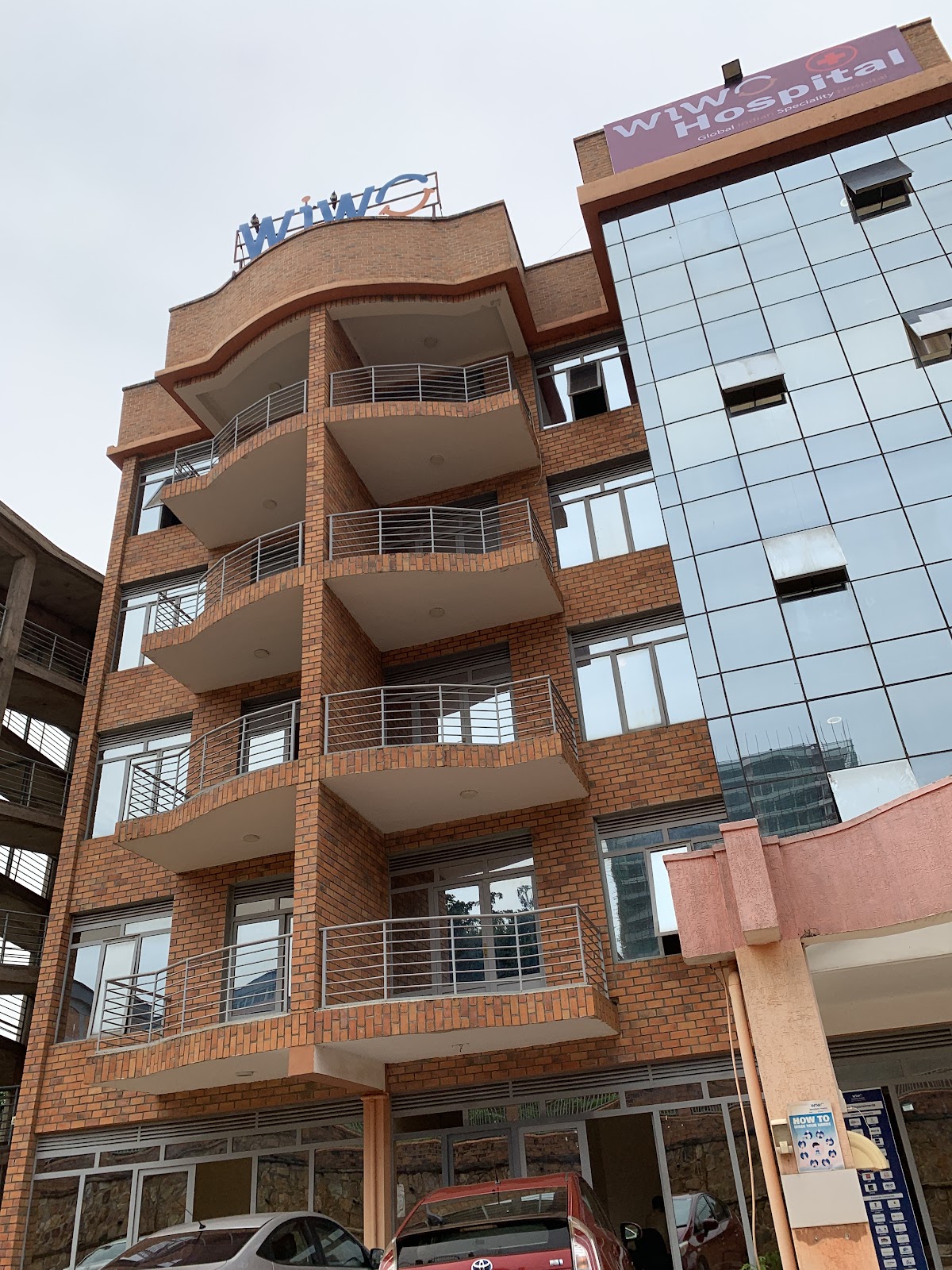
Once registered, the employee and their declared dependents (spouse and children) receive a RAMA card. They can access RAMA-affiliated hospitals, clinics and pharmacies in Rwanda. Most major Kigali facilities accept RAMA — King Faisal, CHUK, La Croix du Sud, WIWO, Polyfam and many others. Co-payments are modest for most services; specific high-cost interventions may require pre-authorisation.
Many employers offer private health insurance (Radiant Yacu, Sanlam, Britam, MMI) as a top-up on RAMA. Common in the corporate, NGO and international-sector employers; less common in SMEs.
Maternity leave — how it works in practice
- Duration: 12 weeks (84 days) at full salary
- Funding split: First 6 weeks paid by the employer at full salary; the Maternity Leave Benefits Scheme reimburses the remaining 6 weeks via RSSB
- Eligibility: Employee must have been registered with RSSB for at least one year before the leave begins
- Notification: Employee notifies the employer; the employer files the maternity-leave declaration with RSSB
Occupational Hazards — what it covers
Funded entirely by the employer at 2% of gross salary. Covers work-related injuries, occupational diseases, and the income loss during recovery. Especially important for businesses in higher-risk sectors — construction, manufacturing, agriculture, hospitality kitchens — where workplace injury is a meaningful risk.
Filing rhythm — what the monthly cadence looks like
- Run payroll at the end of each month
- Compute RSSB contributions for each employee using the rates above
- Submit the monthly declaration through the RSSB portal by the 15th of the following month
- Pay the combined contribution by bank transfer (most banks support the RSSB account direct) by the 15th
- Reconcile with payroll software or accountant by month-end
Penalties for non-compliance
Late filing attracts penalties and interest on unpaid contributions. Non-registration of employees — discovered during a labour inspection or employee complaint — results in back-payment of all owed contributions plus penalties, plus potential criminal exposure for the legal representative in egregious cases. RSSB inspectors do conduct site visits, particularly in higher-employment sectors.
Related: Hiring staff in Rwanda — contracts and labour law, Rwanda PAYE — the 2026 guide, RDB online business registration walkthrough. Browse every healthcare provider on the directory.