
The first time I had a shirt made in Kigali, the tailor was a man named Eugène in a small workshop on a side street in Nyamirambo. He didn't have business cards or a website. He had a notebook in which he wrote the measurements of a hundred regular customers, and a single Singer machine he had owned since 1998. The shirt took three days. He said three days, and he meant three days. Twelve years later he still says three days, and he still means three days.
Eugène isn't in our directory — he isn't on Google, isn't on Instagram, doesn't take card payments. There are still hundreds of makers like him in Kigali, and finding them is mostly a matter of asking the people who already know. But there's also a layer above Eugène — the makers who are on platforms, who do take card, who serve the diaspora and the diplomatic crowd. This piece is about that layer. The ones a first-time visitor or a new resident can actually find.
Where the makers cluster
Kigali's craft economy has three clear centres of gravity.
Nyamirambo — small tailors and bespoke
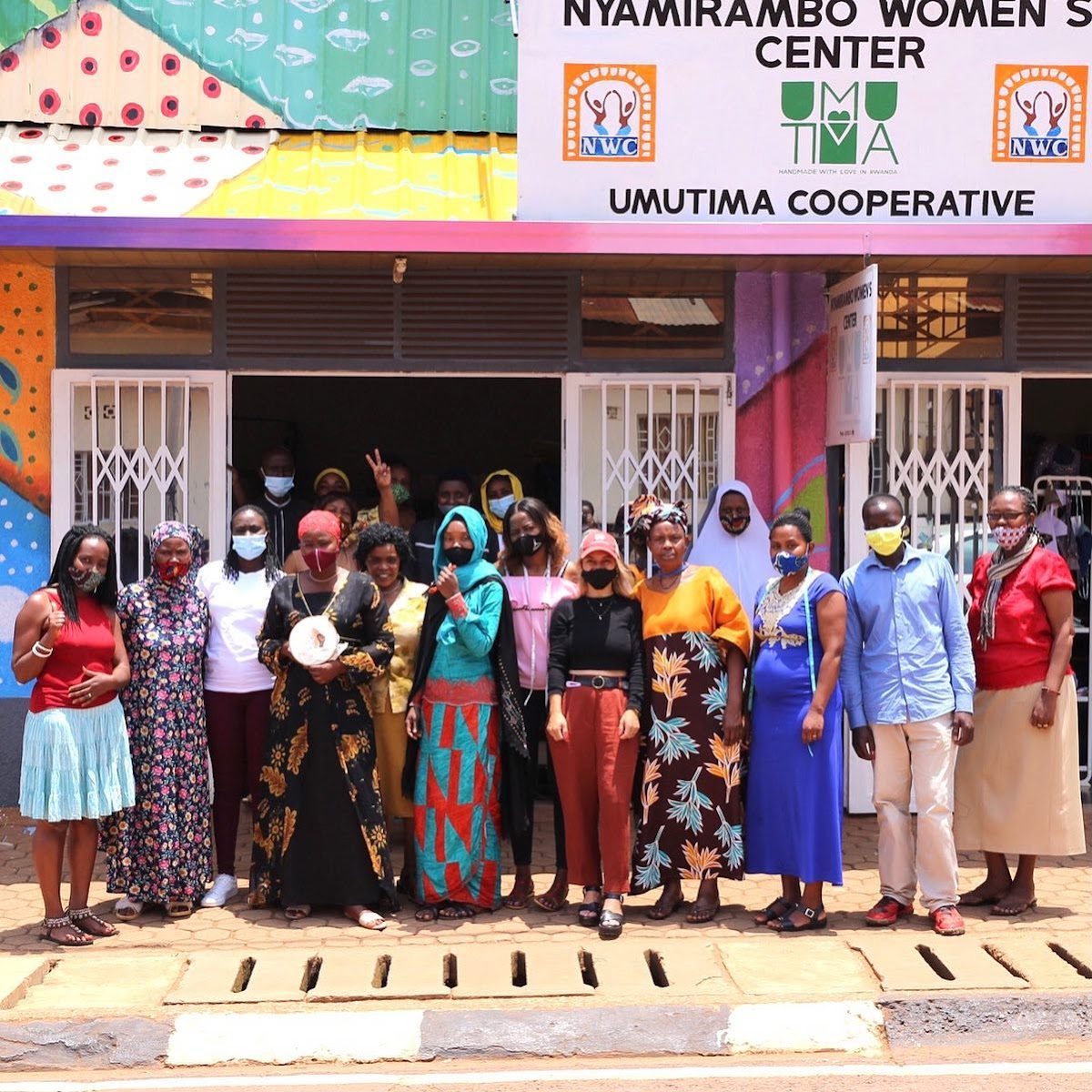
Nyamirambo is the oldest commercial neighbourhood of Kigali and still the densest for small-tailor workshops. The streets between KN 78 and the Nyamirambo Women's Centre have more sewing machines per block than anywhere else in the country. Walking-in still works here — most makers don't take appointments and will measure you the moment you come through the door. Cash-and-Mobile Money only.
Kimihurura — design-led, contemporary
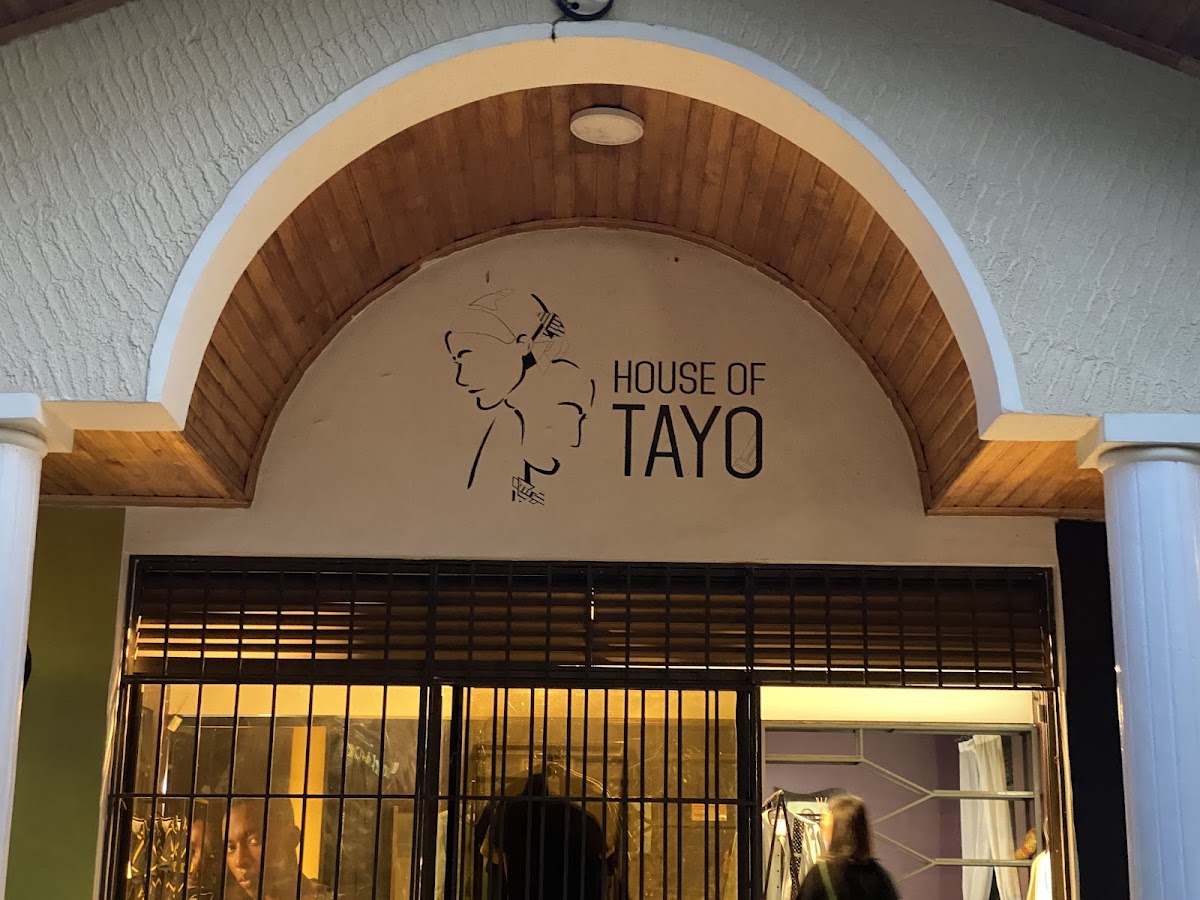
Kimihurura is where the design-school graduates set up shop. Studios rather than workshops; named designers rather than anonymous tailors. Higher prices, longer turnarounds, photo-shootable pieces.
Kacyiru Sud and Gisimenti — boutique retail
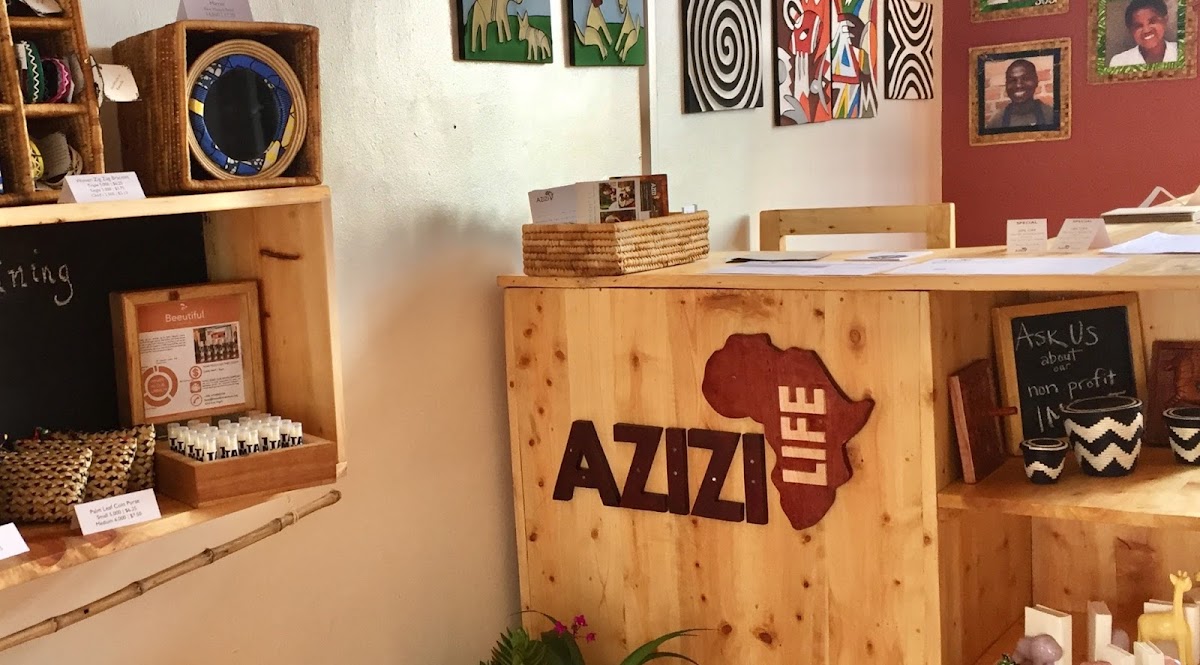
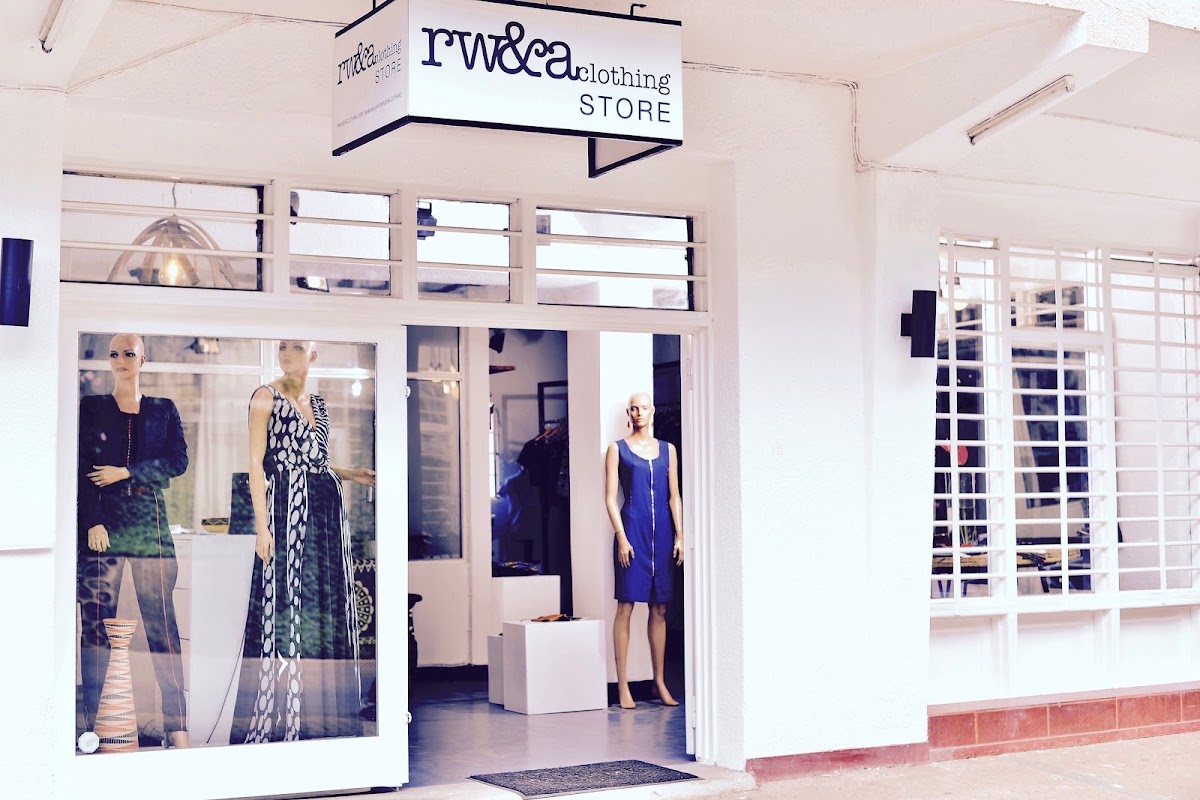
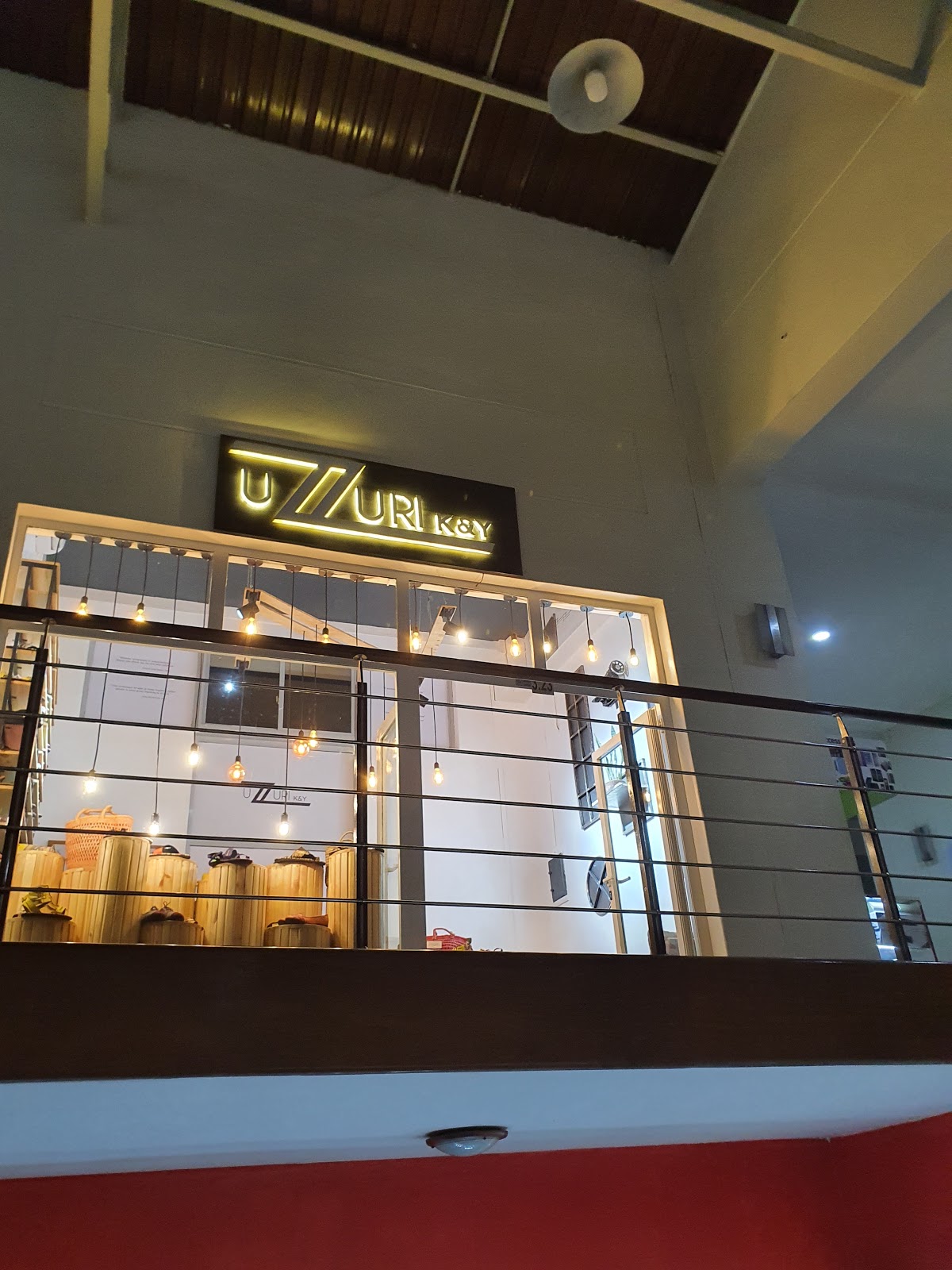
Kacyiru Sud and the Kisimenti retail strip is where you find the curated boutiques — pieces brought in by the shop, not made on the premises, but at a quality level the open markets don't carry.
What good makers in Kigali have in common
I have been visiting these workshops, on and off, for the better part of a decade. Three patterns hold across the ones that last.
- They don't grow fast. The good makers measure their tenure in years, not in orders. The ones who scale quickly tend to compromise on construction inside eighteen months, and the regulars notice.
- They use one set of suppliers. Cottons from a specific weaver in Huye, leather from a specific tannery in Bugesera, kitenge from a specific Nyabugogo importer. The supplier list is small and rarely changes. It's how they protect the quality without owning the supply chain.
- They train their own. The bigger workshops invariably have apprentices learning on the floor. The replacement strategy is internal; they don't hire trained tailors away from competitors. This is why the supply of good makers in Kigali grows so slowly — each one is grown in place.
If you're getting something made
A few practical things, learned the way most people learn them — by getting them wrong:
- Bring a reference piece. Whether for a shirt, a dress, a bag, the maker will be twice as accurate with a sample to work from. "Like this, but in this fabric, this length" is the most reliable brief.
- Ask the turnaround upfront and add three days. Most makers honour their dates; the good ones underpromise but plan for the small inevitable delays.
- Pay 50% deposit. This is standard. The maker uses it to buy the fabric and trims; you signal you're a serious customer.
- Fittings. Anything more complicated than a shirt should have a midway fitting. Plan for it.
- Don't haggle hard on craft work. Kigali makers price fairly; aggressive bargaining for a hand-stitched piece reads as bad faith.
What's missing from this list
Two things. First, the dozens of small makers like Eugène, who aren't on platforms — finding them is still a referral game. Second, the next generation. Rwandan fashion schools have been producing graduates for ten years now and the most interesting of them are building studios in Kimihurura that we'll be writing about in the months ahead. Made in Rwanda is graduating from a tourism phrase to a category. Watch it.
Coming next: the Made-in-Rwanda fashion graduates of 2026, the leather workshops of Gacuriro, and an honest look at the kitenge supply chain. For now, browse Fashion or Tailors on the directory.