Rwanda's social code is more formal than most travellers expect, gentler than the international-business stereotype suggests, and built on a real culture of mutual respect that's worth respecting in turn. The list below is the practical 2026 guide — tipping, dress, public conduct, and the small social cues that make the trip easier.
Tipping — the working numbers
- Restaurants: 5-10% is generous. Most mid-tier and higher restaurants already add 10% service charge to the bill — check first. If service charge is included, an extra 1,000-2,000 RWF for exceptional service is enough.
- Hotels: USD 1-2 per bag for porters. USD 2-5 per day for housekeeping (left on the pillow at the end of the stay). USD 5-10 for concierge who arranged things for you.
- Tour guides / safari drivers: USD 10-20 per day per traveller for a multi-day trip. For gorilla trekking, USD 10-15 per traveller for the guide team is standard.
- Moto-taxis: Round up to the nearest 500 RWF if pleased.
- Move app rides: No tipping expected; app fare is complete.
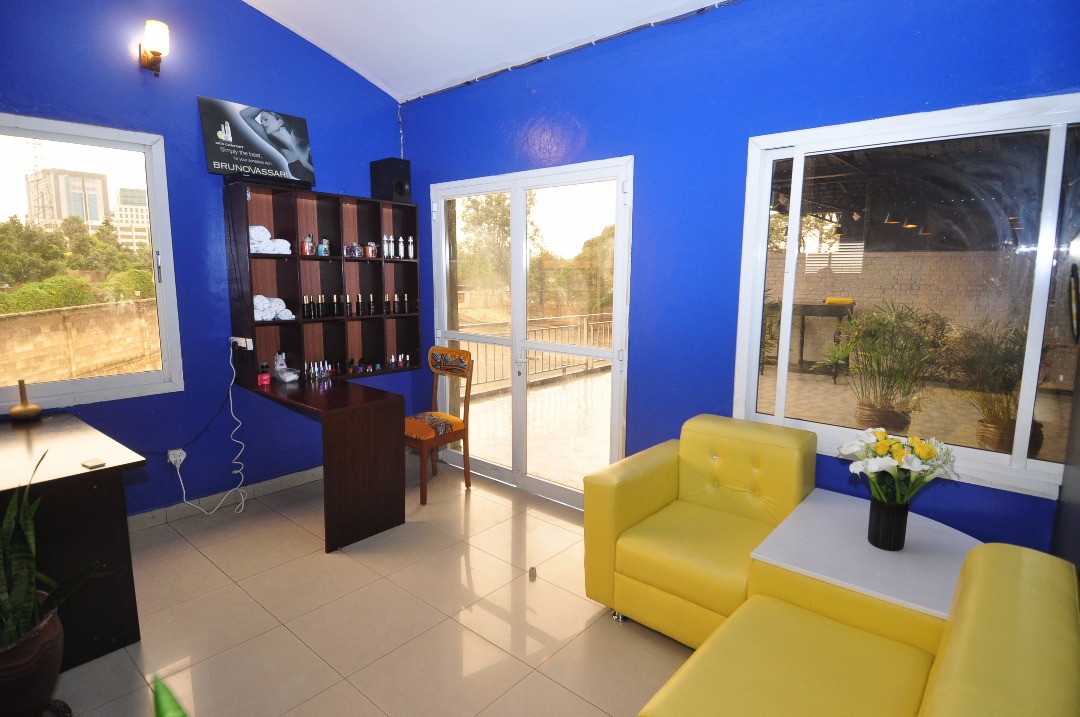
- Salon and spa: 1,000-3,000 RWF for the senior stylist or therapist is generous.
Don't over-tip. Excessive tipping (US-style 20%+) can read as condescending in some contexts. Match the local norm.
Dress code
- Kigali generally: Smart-casual works for most settings. Jeans-and-shirt acceptable at most restaurants and bars. Shorts and flip-flops work at cafés and casual venues.
- Business meetings: More formal than American startup culture; less formal than London. Open-neck shirts, blazers, smart dresses appropriate. Avoid loud-pattern shirts.
- Religious sites and memorials: Cover shoulders and knees. Kigali Genocide Memorial — sombre attire, no shorts, no t-shirts with slogans.
- Volcanoes National Park / gorilla trek: Hiking gear (long trousers, long-sleeved shirt, sturdy boots). Briefing and lodge wear casual.
- Beach / Lake Kivu: Swimwear at the lakeside; cover up when walking around hotel/town areas.
- Camouflage: Restricted to military and security personnel. Don't bring camo clothing.
Public conduct
- Plastic bags are banned. Customs will confiscate them at the airport. Use cloth bags or paper bags. This is universal and strictly enforced.
- Don't photograph military, police, airports or government buildings. Don't photograph people without permission, especially in markets or villages.
- Drone use requires permits from the Rwanda Civil Aviation Authority. Apply weeks ahead if you plan aerial photography.
- Avoid public arguments and loud voices. Rwandan social norms favour calm and de-escalation. Even animated business discussions stay below American conversation volumes.
- Respect Kigali's cleanliness. Don't litter — this is taken seriously. Carry small bags for any waste until you find a bin.
- Greet before transacting. Hello before how much?, even at moto-taxi stops.
Umuganda — last Saturday of every month
Umuganda is Rwanda's mandatory community work morning, held on the last Saturday of every month between 8 AM and 11 AM. Most businesses close during this window, traffic is light, and the city pauses. As a visitor you're not expected to participate but you should plan around it — your hotel will likely run a reduced schedule, taxis are scarce, and many shops are closed until 11 AM. Worth knowing if your visit overlaps.
Religion and observance
Rwanda is majority Christian (Catholic and Protestant) with a significant Muslim minority. Friday prayers happen at mosques across Kigali; Sunday church attendance is widespread. Most businesses operate normal Sunday hours but salons and some retail close. The Muslim community is concentrated around Nyamirambo; the area has multiple mosques and an active Friday prayer schedule.
Greetings and handshakes
- Handshakes are standard for first meetings. Firm but not aggressive.
- Two-hand handshake (right hand offered with left hand supporting right elbow or wrist) shows additional respect — useful for older Rwandans or formal business contexts.
- Eye contact during greetings is appreciated but sustained eye contact during conversation isn't expected — looking away periodically is normal.
- Hugging isn't common in initial meetings; reserved for close relationships.
- Always greet before requesting. Muraho before how much? — even with strangers.
Things visitors get wrong
- Treating Rwanda like a generic African destination. Each country in the region has its own conventions; what works in Kenya or Tanzania doesn't all apply. Kigali is meaningfully more formal and quieter than Nairobi.
- Over-tipping. Most service contexts already include 10% service charge. Don't double-tip.
- Photographing without permission. Especially at markets or with children. Ask first.
- Loud public conversations. Particularly at restaurants and cafés. The ambient volume in Kigali is meaningfully quieter than American or West African cities.
- Carrying alcohol into mosques or government buildings. Doesn't come up often but worth knowing.
Related: Rwanda visa types in 2026, Safety in Rwanda, Language in Rwanda. Browse every hotel on the directory.