The Kigali businesses with the longest review tails
A few Kigali businesses have been collecting reviews steadily for nearly a decade. Their review counts run into four figures; their ratings have held against every passing trend. We sorted the directory by the size of the long tail and read what the regulars wrote.
Review counts in Kigali skew young. The directory's median business has fewer than 30 reviews and the first one was written in the last two years. A small handful of businesses are different. Their review counts run into four figures; their first reviews date back to the mid-2010s; the rating has held — or improved — across every passing food trend, hotel renovation, and change of management.
The shape of the review base tells you something the rating alone cannot. A business at 4.5 stars from 200 reviews has been good for two years; a business at 4.5 stars from 2,000 reviews has been good for ten. The second is harder to fake. We sorted the directory by total review count and read the long tails of the top dozen. Six patterns surface.
4,866 reviews, 4.9 stars. The country's most-reviewed business. Law firm, Remera. The review base spans every immigration query, company-registration referral, and contract-drafting transaction that has come through the firm over a decade. The 4.9 holds because the client base writes reviews at extraordinary scale.
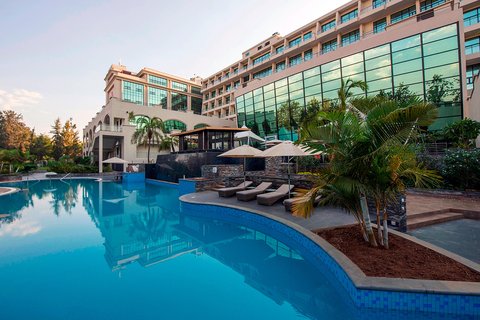
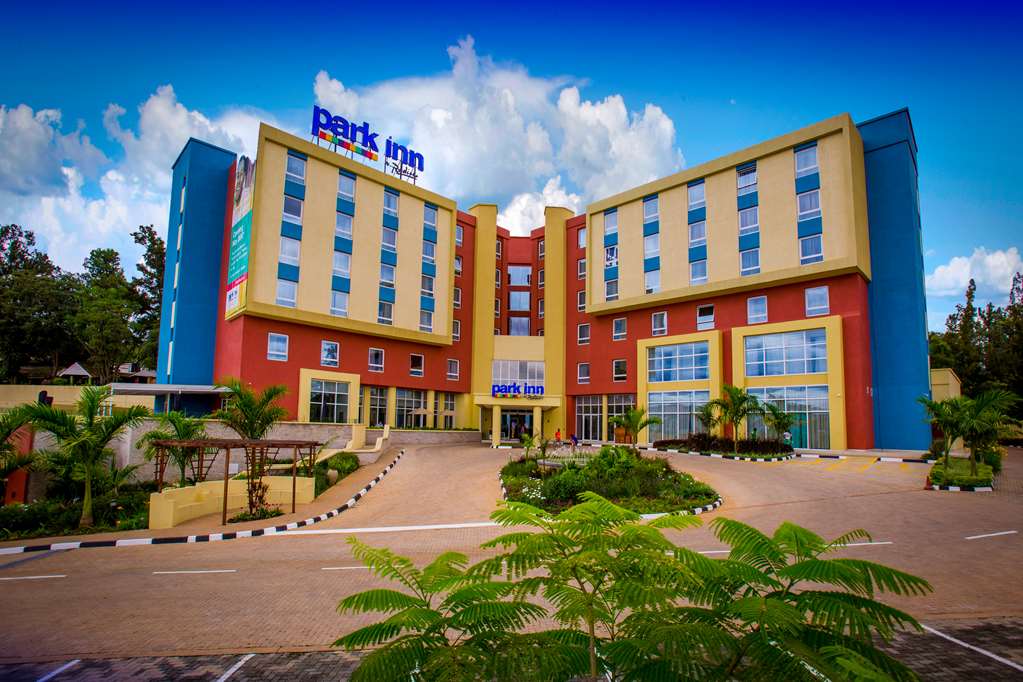
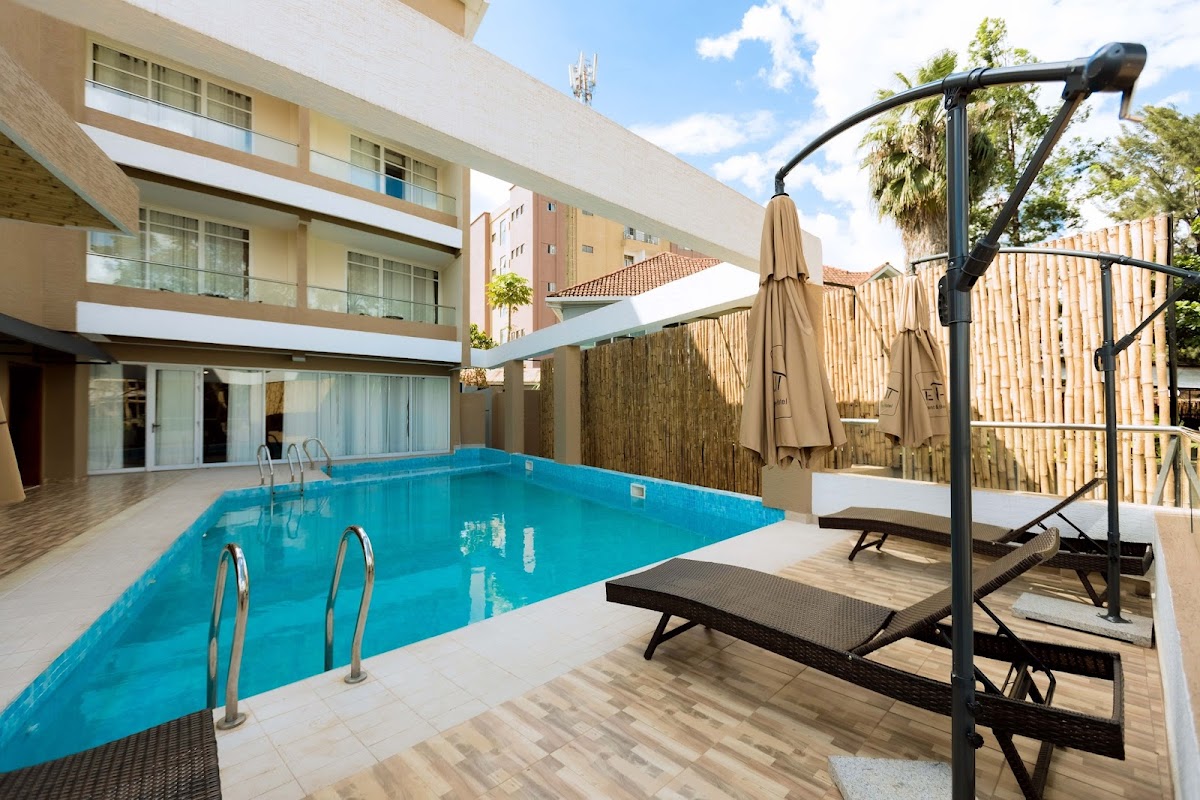
4,008 reviews, 4.8 stars. The most-reviewed hotel in Africa east of Addis Ababa, by some counts. Opened 2016; reviews started landing immediately and have not slowed. The 4.8 across that volume is the rarest signal in hospitality.
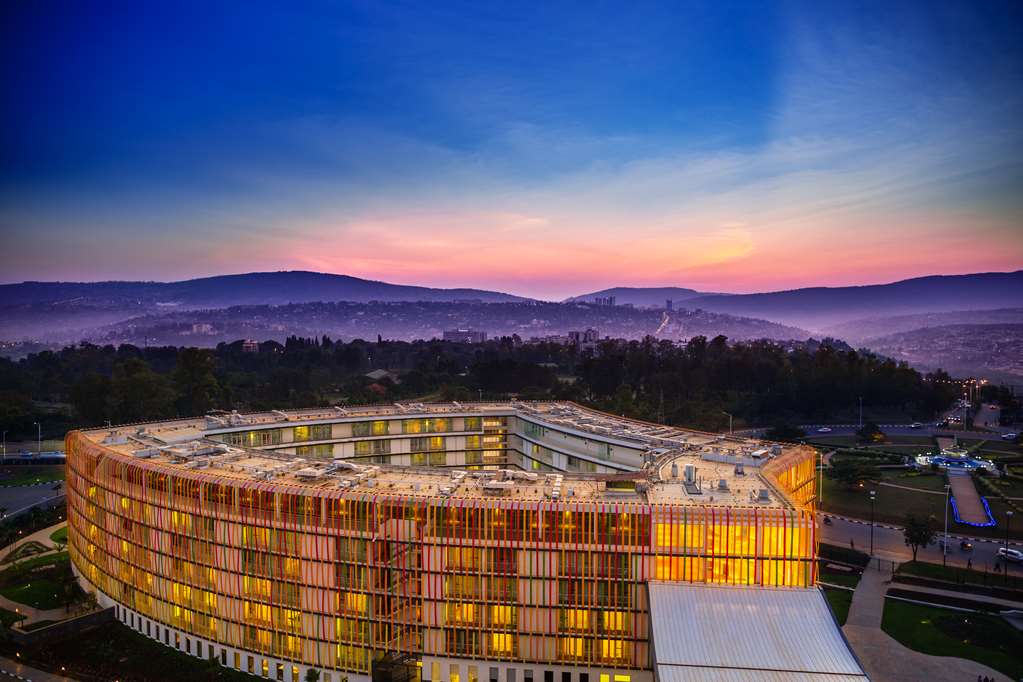
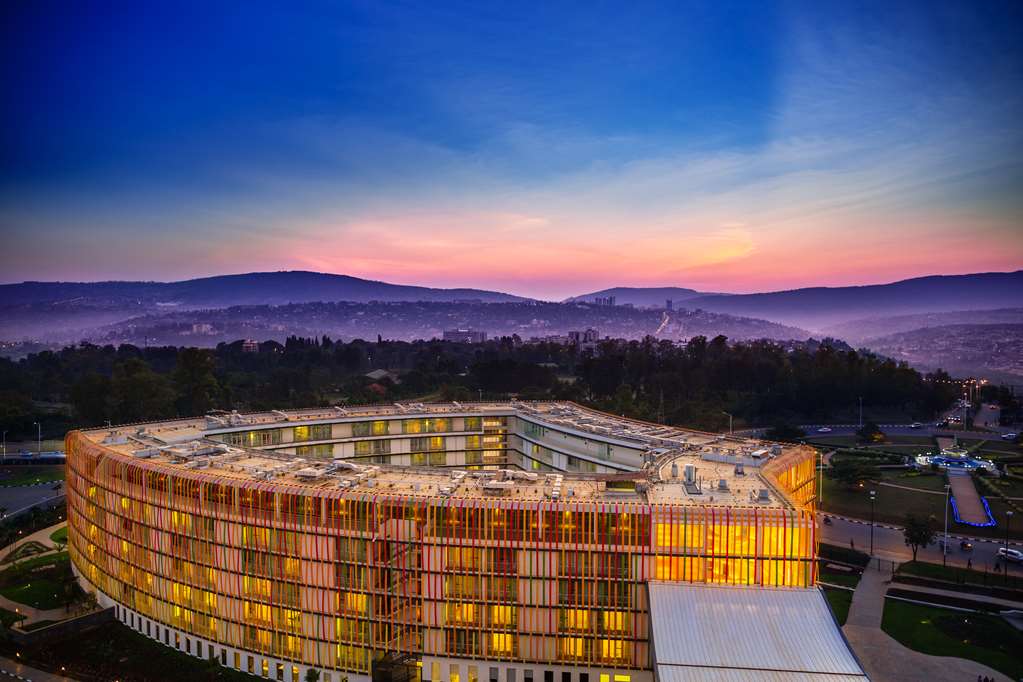
3,472 reviews, 4.7 stars. The dome on the hill. Conferences, summits, the African Union meetings, every international visitor who's had a coffee here. The review count grows by hundreds per major event.
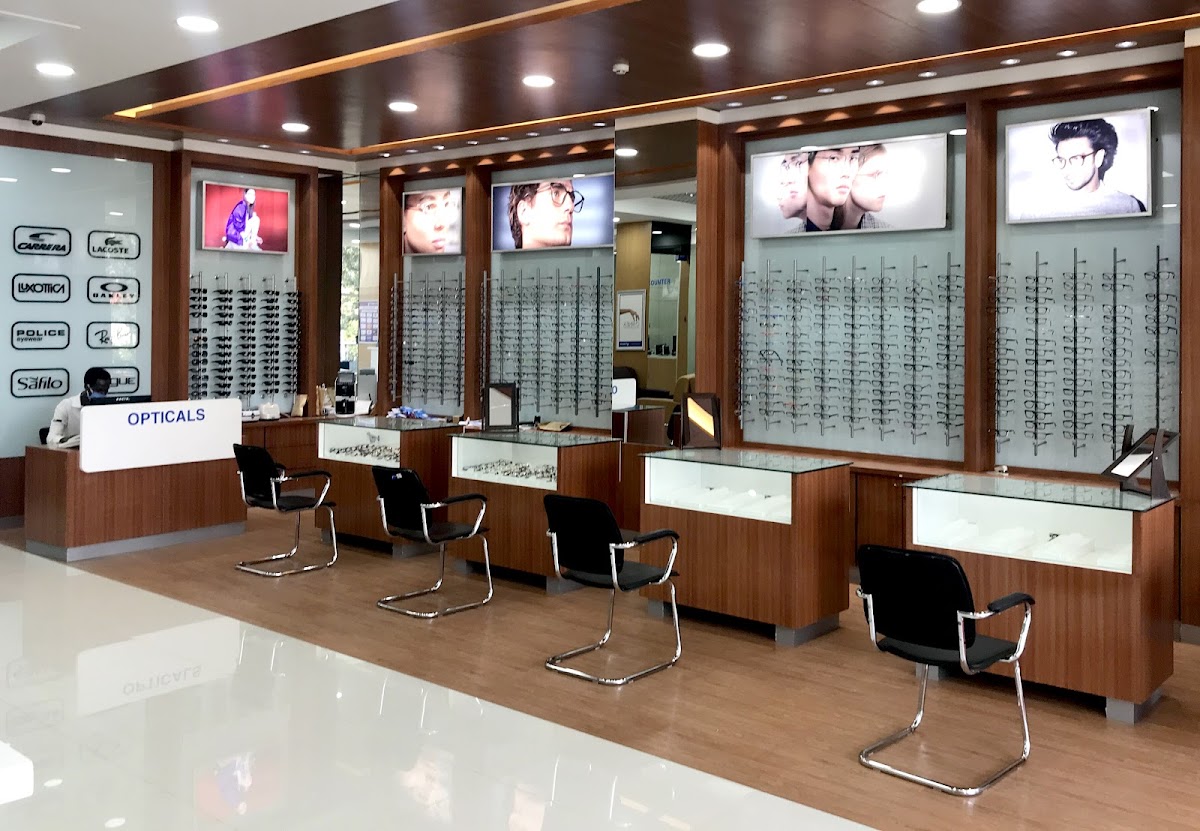
3,396 reviews, 4.9 stars. Kiyovu. The highest-rated, second-most-reviewed business in the entire directory. Healthcare reviews are rarely written at this volume anywhere in the world; the explanation is partly that the hospital actively requests reviews after every appointment. The 4.9 is genuinely earned — the long reviews describe specific eye conditions, specific surgeons, specific follow-ups months apart.
1,934 reviews, 4.5 stars. Kiyovu. The oldest of the international-tier rooms in the city. The review base goes back further than any other property here — pre-Marriott, pre-Radisson Blu, the diplomats' default before the city had a Marriott.
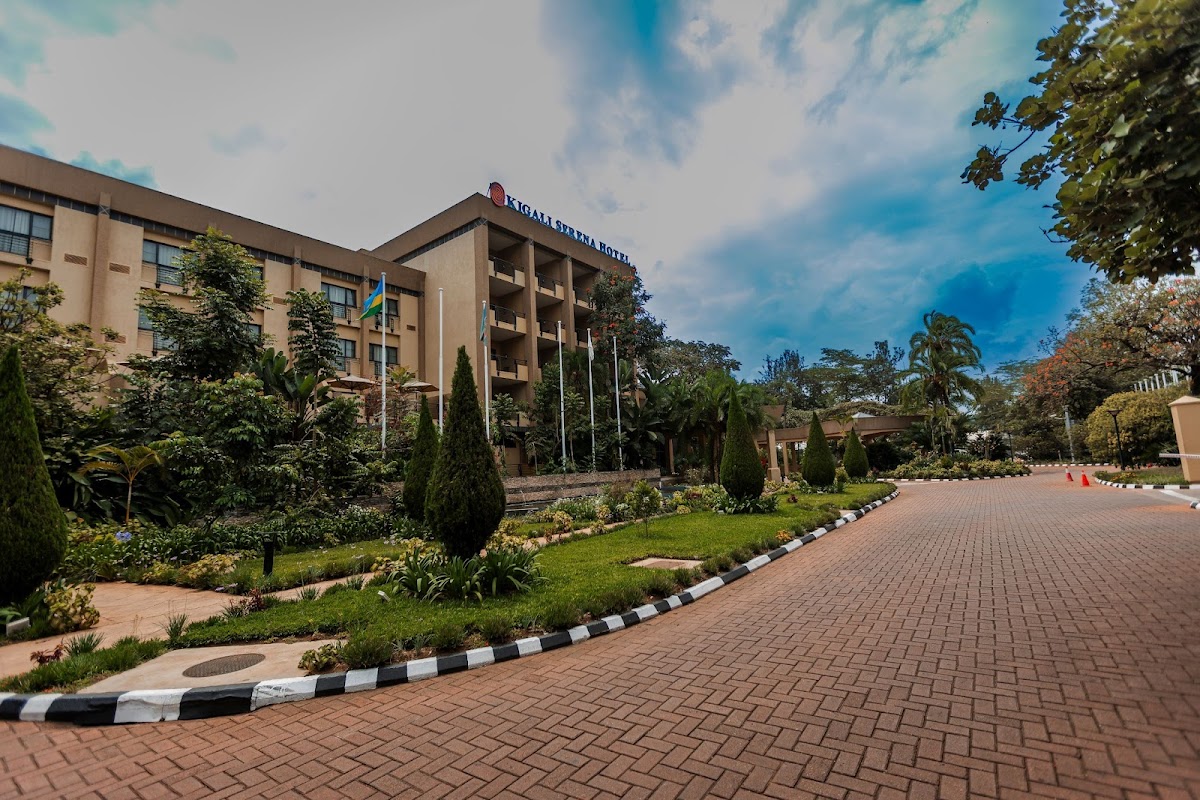
1,844 reviews, 4.6 stars. Kiyovu. The mid-market Radisson sister; smaller property than the Convention Centre flagship; review volume has tracked steadily upward.
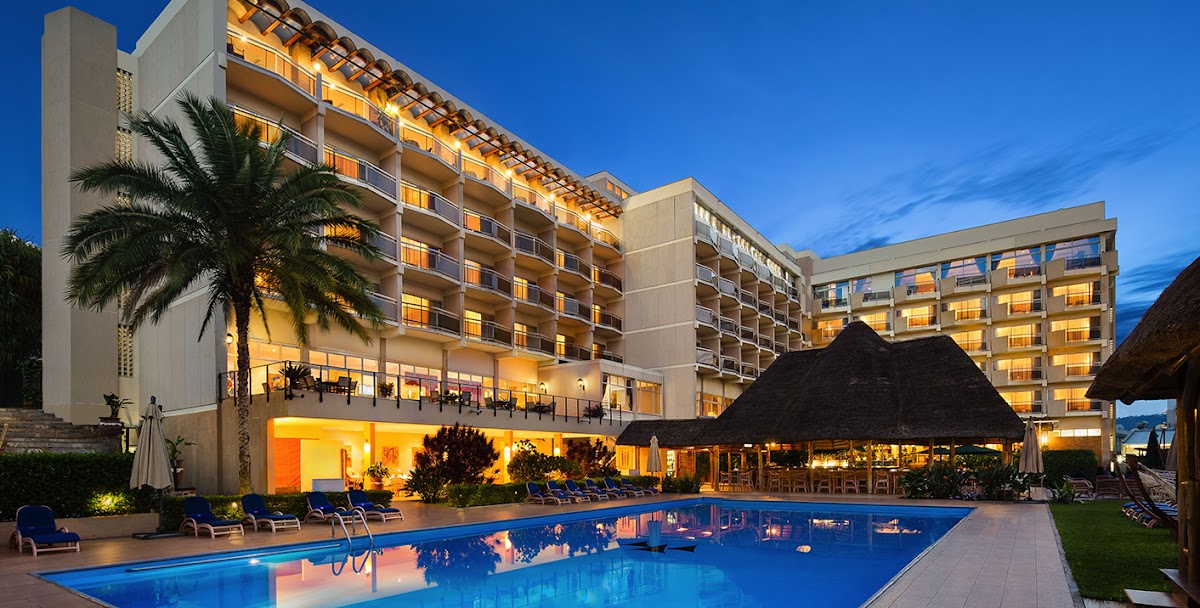
1,759 reviews, 4.4 stars. Kiyovu. The most historically significant property in the city. The 4.4 reflects the mixed register of the review base — some reviewers come for the swimming pool and the breakfast, some come because of the events the building witnessed. The two reviewer types rate the same room differently.
2,822 reviews, 4.1 stars. Nyarutarama. The most-reviewed restaurant in the city. The 4.1 has stayed within a tenth for years; the volume reflects the breadth of the room.
1,404 reviews, 4.3 stars. Gisimenti. The pre-eminent Italian room. The reviews go back at least seven years and the most recent ones still talk about the wood-fired oven.
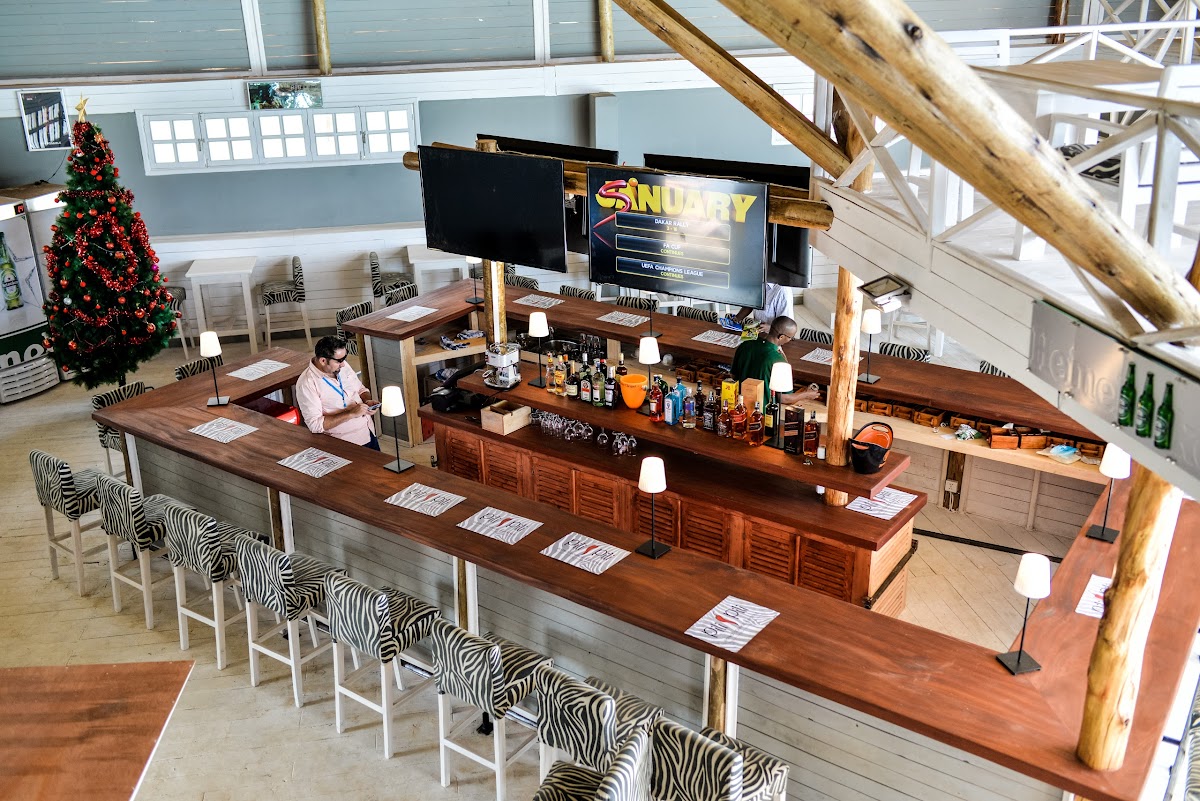
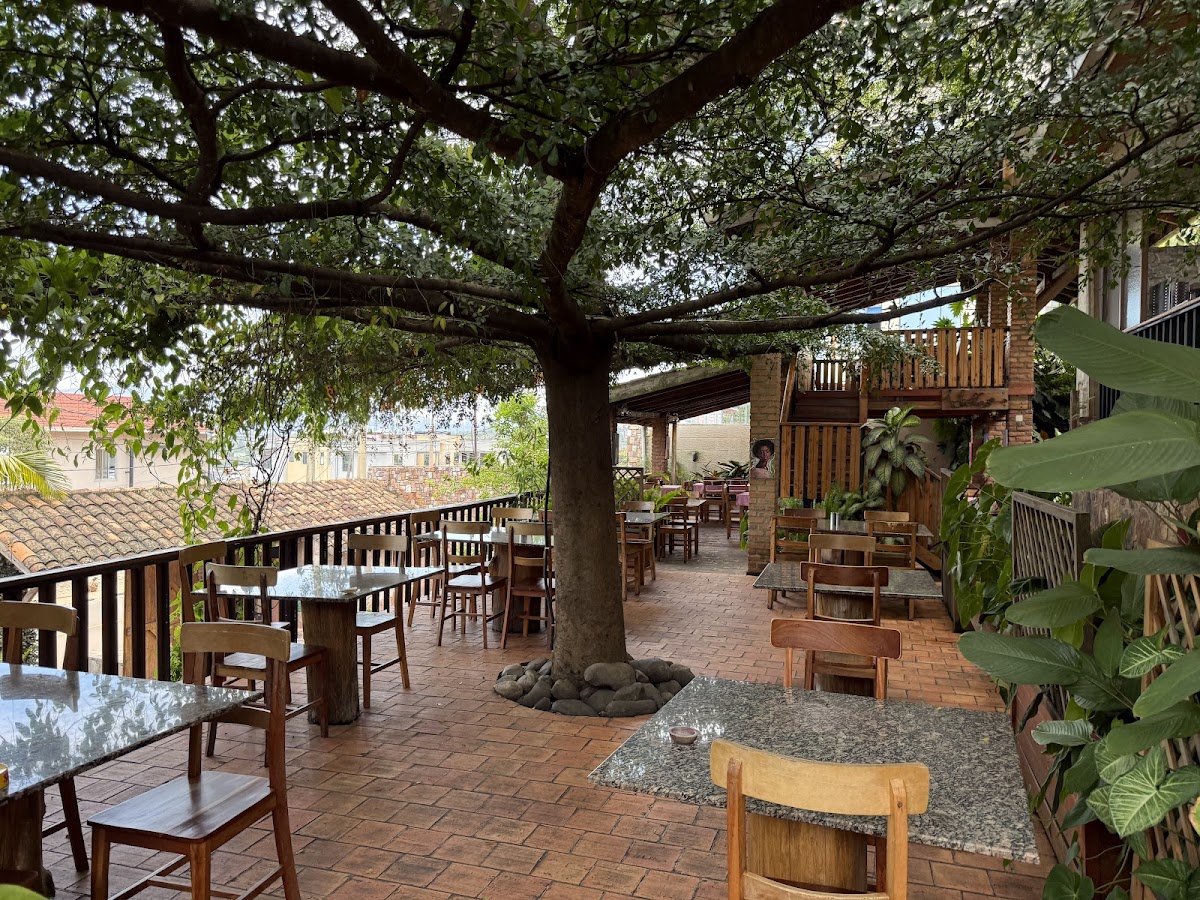
1,346 reviews, 4.4 stars. Gisimenti. The view-and-rooftop staple. The named-staff pattern shows up here repeatedly — the same waiters serving the same regulars across years.
1,636 reviews, 4.7 stars. The BAL games, the BK arena concerts, the convocation ceremonies. Every event adds hundreds of reviews; the 4.7 has held through the entire venue's operational life.
1,946 reviews, 4.3 stars. The country's largest venue. Football matches, presidential rallies, large-scale events. The review base accumulates across decades of national life.
The review base is unfakeable. A 4.5-star rating from 50 reviews can be manipulated by staff and friends. A 4.5 from 2,000 reviews cannot — the cost of moving the average by a tenth of a star is hundreds of fake reviews, which Google's anti-manipulation systems catch.
Long tails reveal trend resilience. Restaurants that hold a rating across food trends — the move from buffets to small plates, the rise of plant-based menus, the arrival of speciality coffee — are the ones the city's working population trusts as a default. Short-tail businesses look great in the launch year; the long tail is the test.
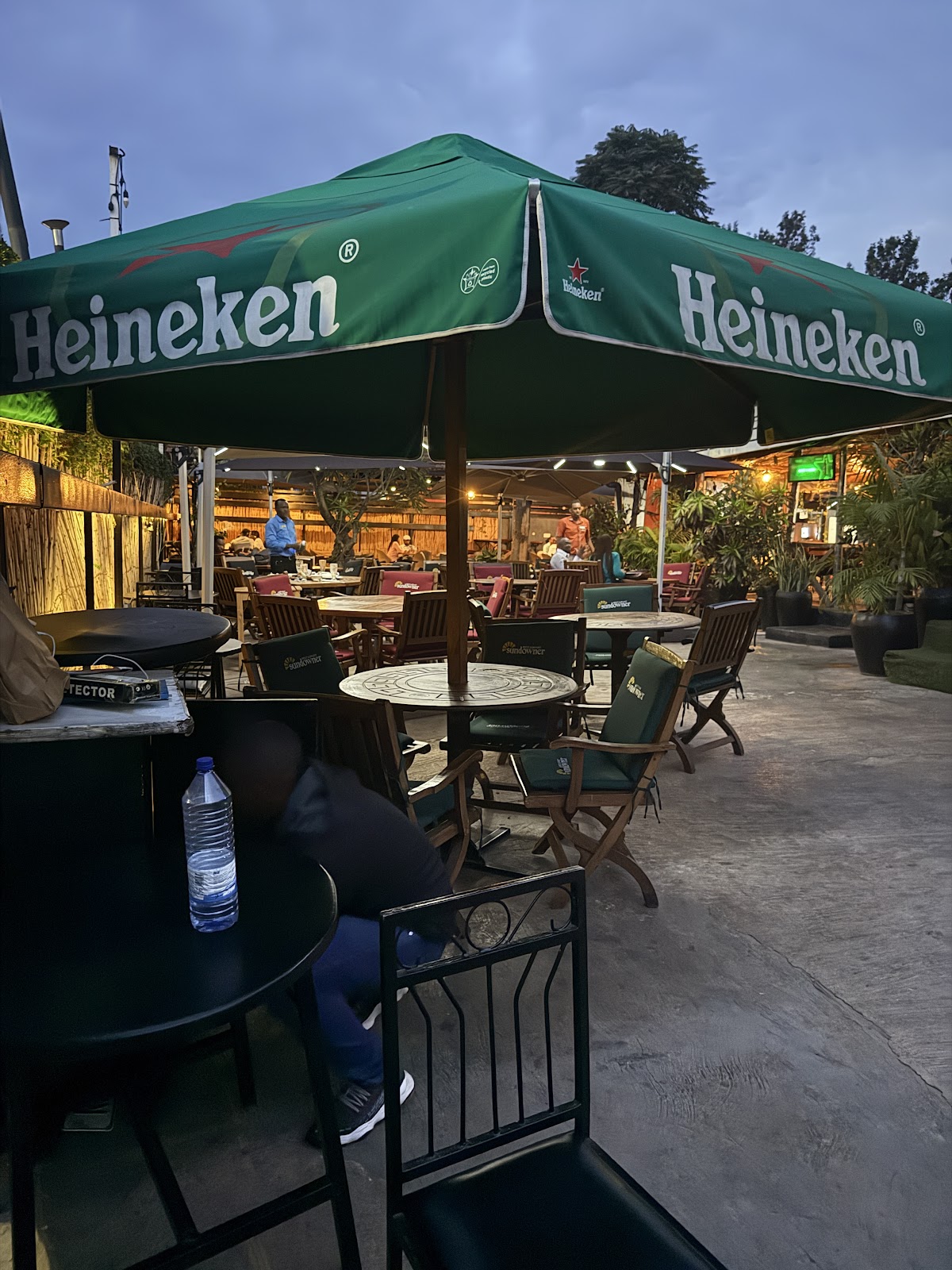
The named-staff effect compounds. Long-tail businesses tend to have the longest-tenured staff. The waiters at Sundowner have been pouring drinks at the same brochette joint for fifteen years. That tenure is part of why the reviews repeat names across years.
The negative reviews matter less proportionally. A bad week at a hotel with 200 reviews can push the rating down by half a star. The same bad week at the Radisson Blu — 4,000 reviews — is invisible in the rolling average. The long tail is the room's insurance.
What this means for picking businesses
When you're choosing where to spend money in Kigali, the long-tail businesses are the lowest-risk options. The downside is bounded — these rooms have been failing in the same predictable ways for years, the failure modes are documented in the reviews, you can plan around them. The upside is consistent: the rating has held precisely because the operator has held the cooking, the service, and the staff stable for long enough to compound.
The newer rooms — Shamba Speciality Coffee, Feels, the boutique B&Bs — can be excellent. But their review base needs another two years before it stress-tests the way Sole Luna and the Marriott have been stress-tested. There's a place for the new room. There's also a place for the room that's been right for a decade.