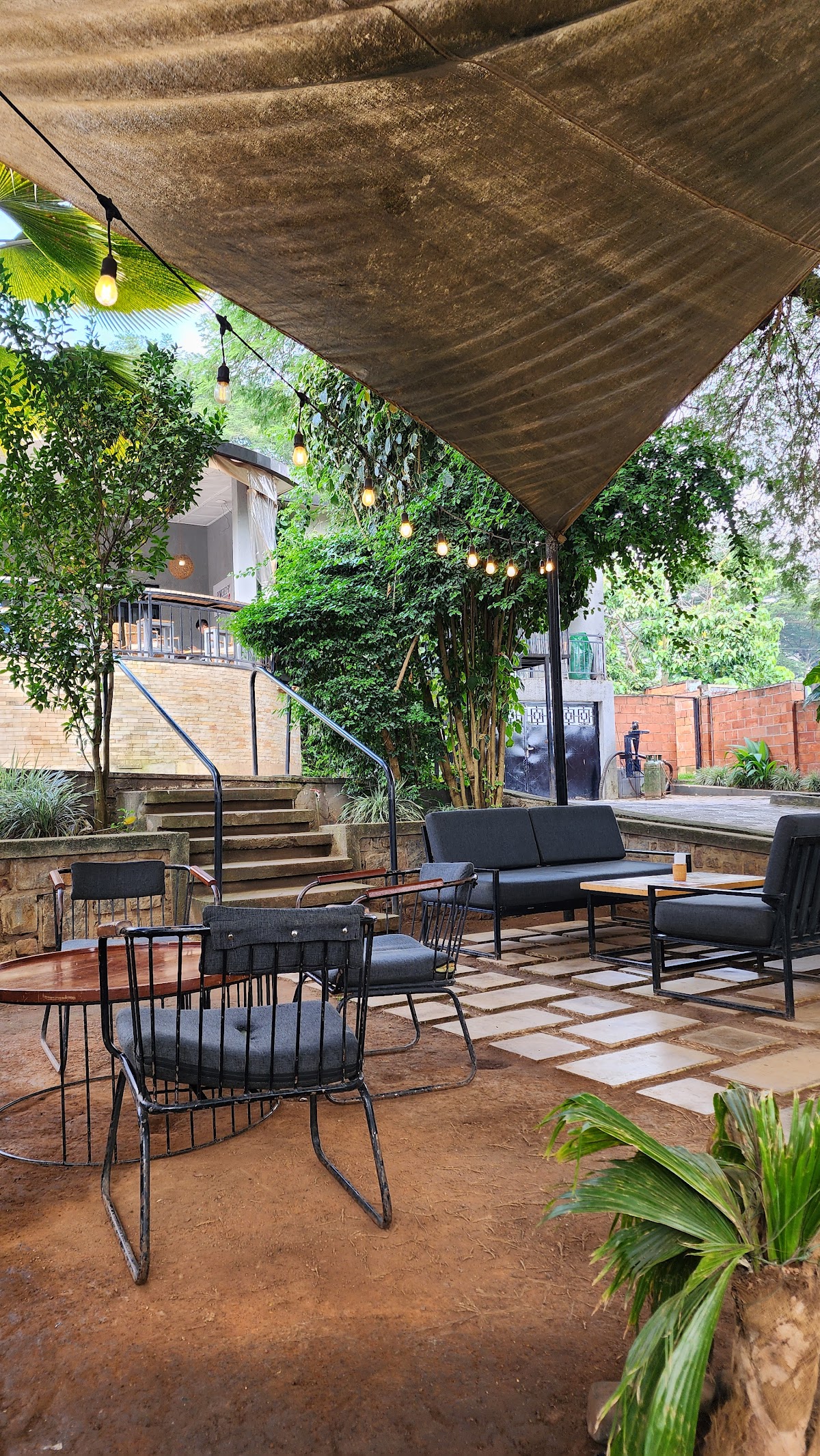
The Kigali café scene of 2018 was famously slow. Order at the counter, sit down, wait twenty-five minutes for a cappuccino, the milk arrives separately from the espresso, the receipt has a typo, the bill is rounded up by 500 RWF. The reviews from that period read like a single long complaint about hospitality. The cafés were beautiful. The service was the bottleneck.
Seven years on, the city has 182 cafés in the directory with 10,630 reviews between them. We filtered the review base for the roughly 4,000 reviews that talk specifically about service — anything mentioning staff, waiter, attentive, slow, fast, friendly. The picture is sharper than the city's reputation. Service is, quietly, where the new generation of Kigali cafés has done its real work.
The four service-tier patterns the reviews reveal
Tier 1 — service that gets *named* (the rare upper bracket)
About 8% of service-themed café reviews name a specific staff member — a barista, a server, a manager. The cafés where this happens consistently are the ones running on relationships rather than transactions.
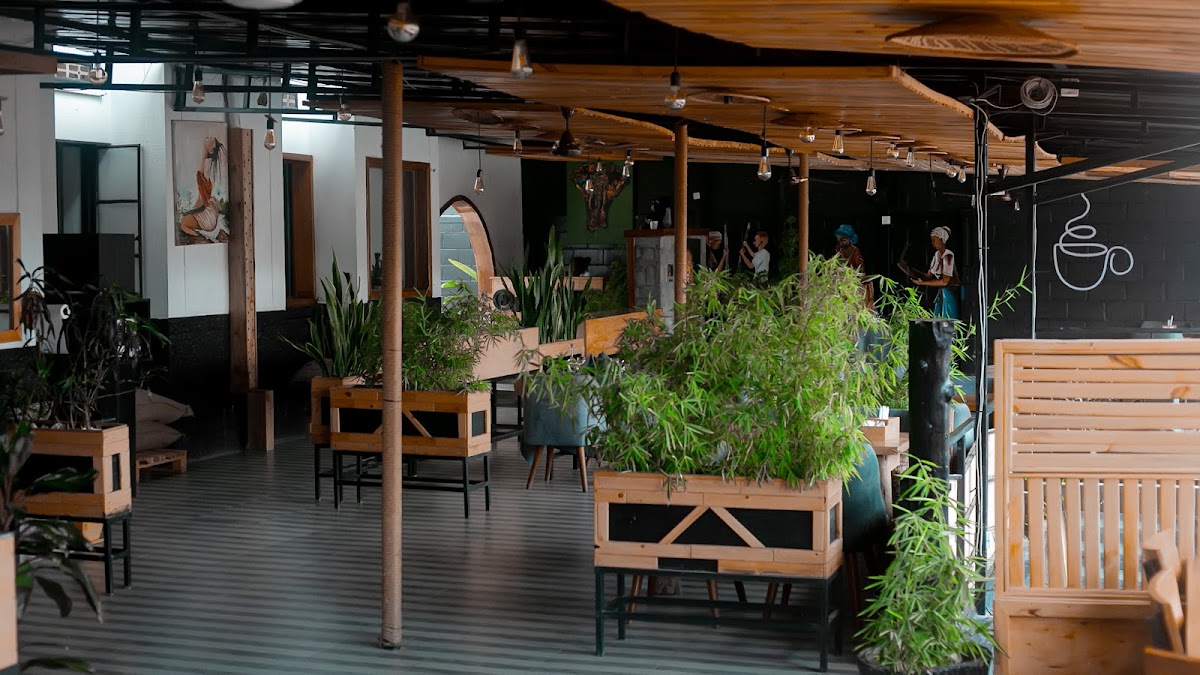
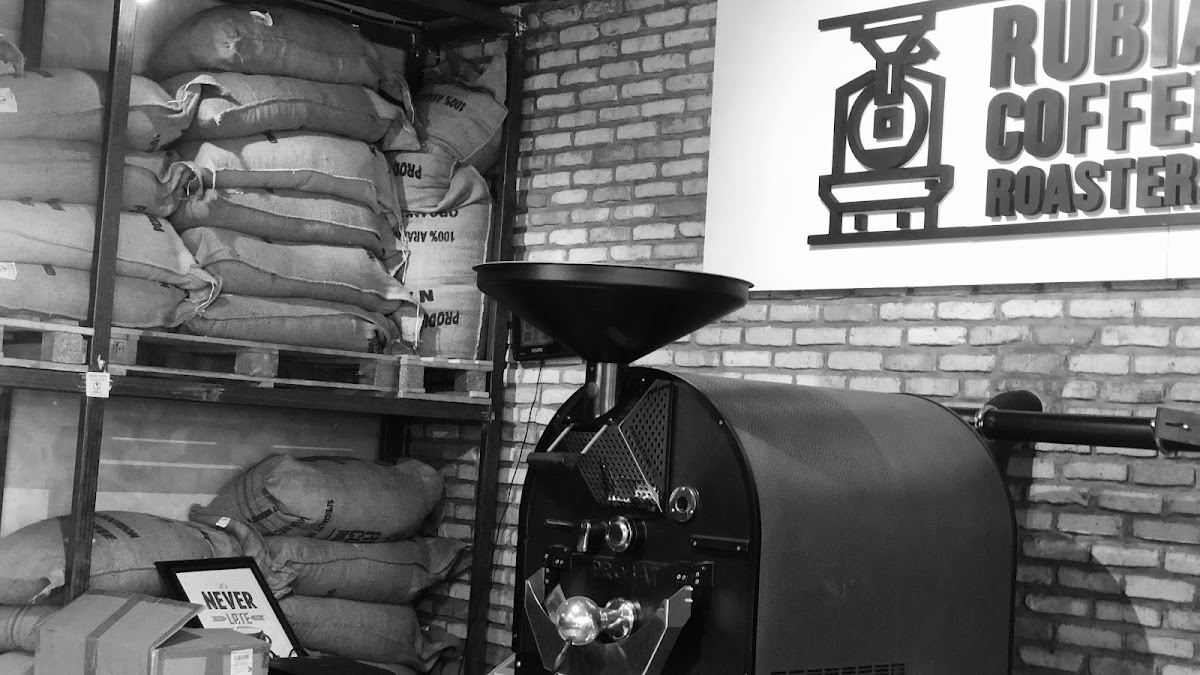
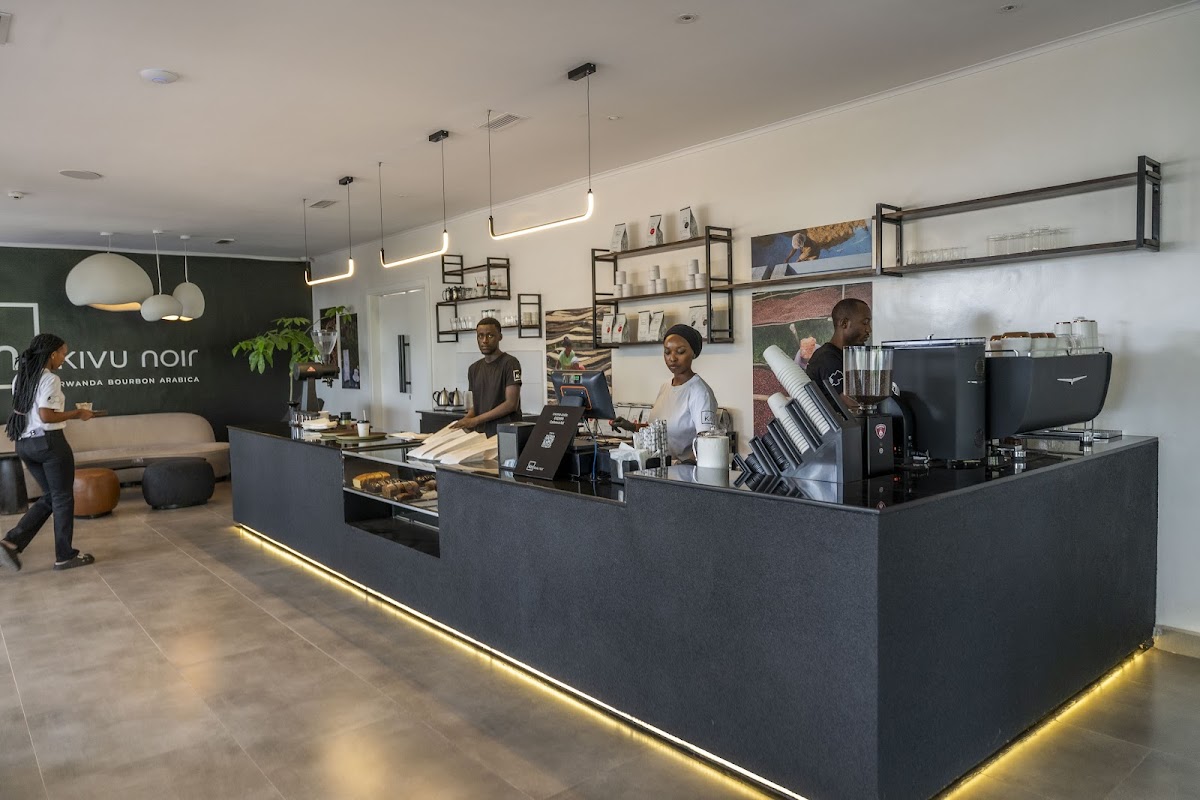
Tier 2 — service that's *consistently fast* (the working-day register)
The fastest-service cafés in Kigali are not always the highest-rated overall — but the regulars who come for the working-day-coffee register pick them precisely for the speed. The 4.0-and-up cafés in this tier rate higher on service than on cooking.
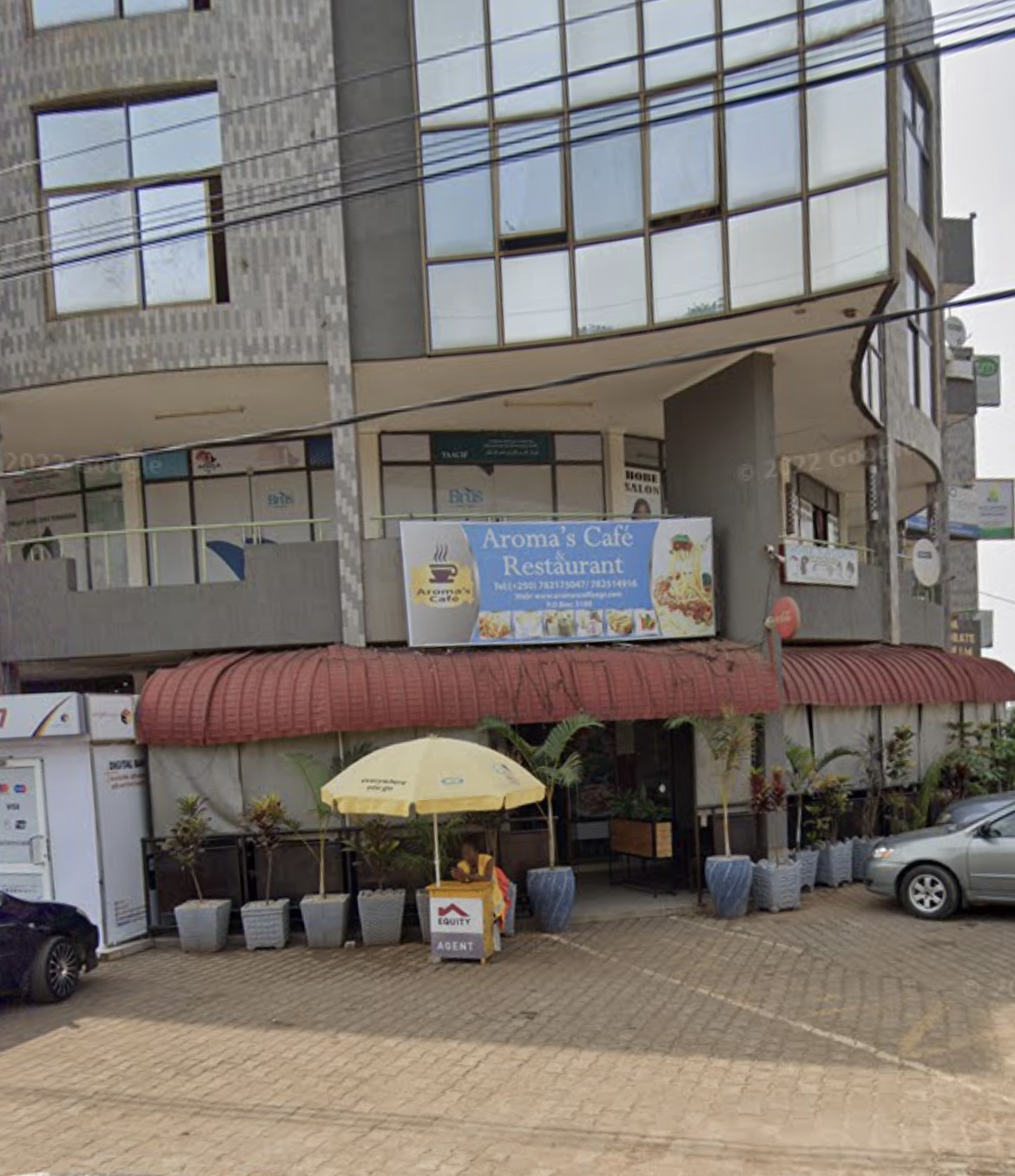
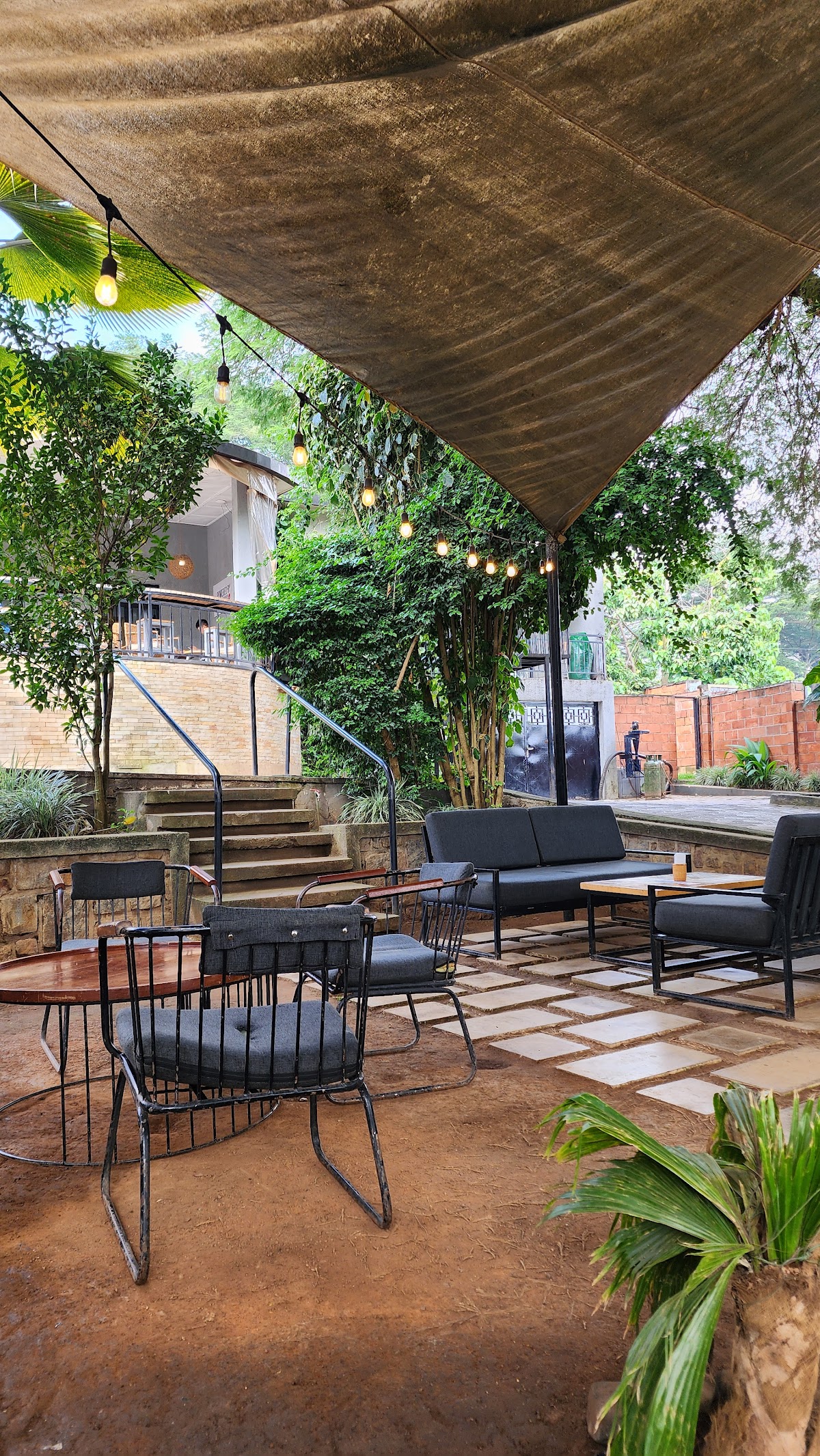
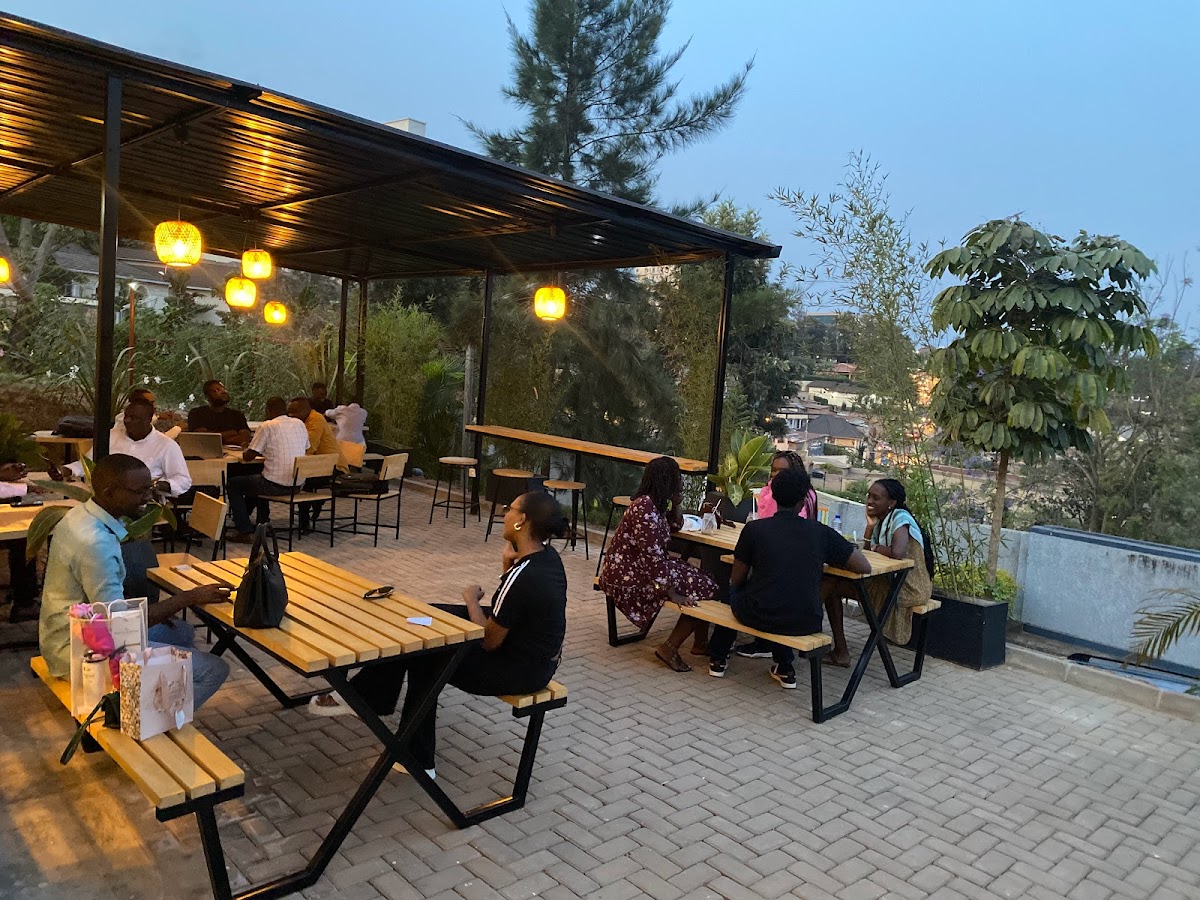
Tier 3 — service that *holds for breakfast and brunch* (the social register)
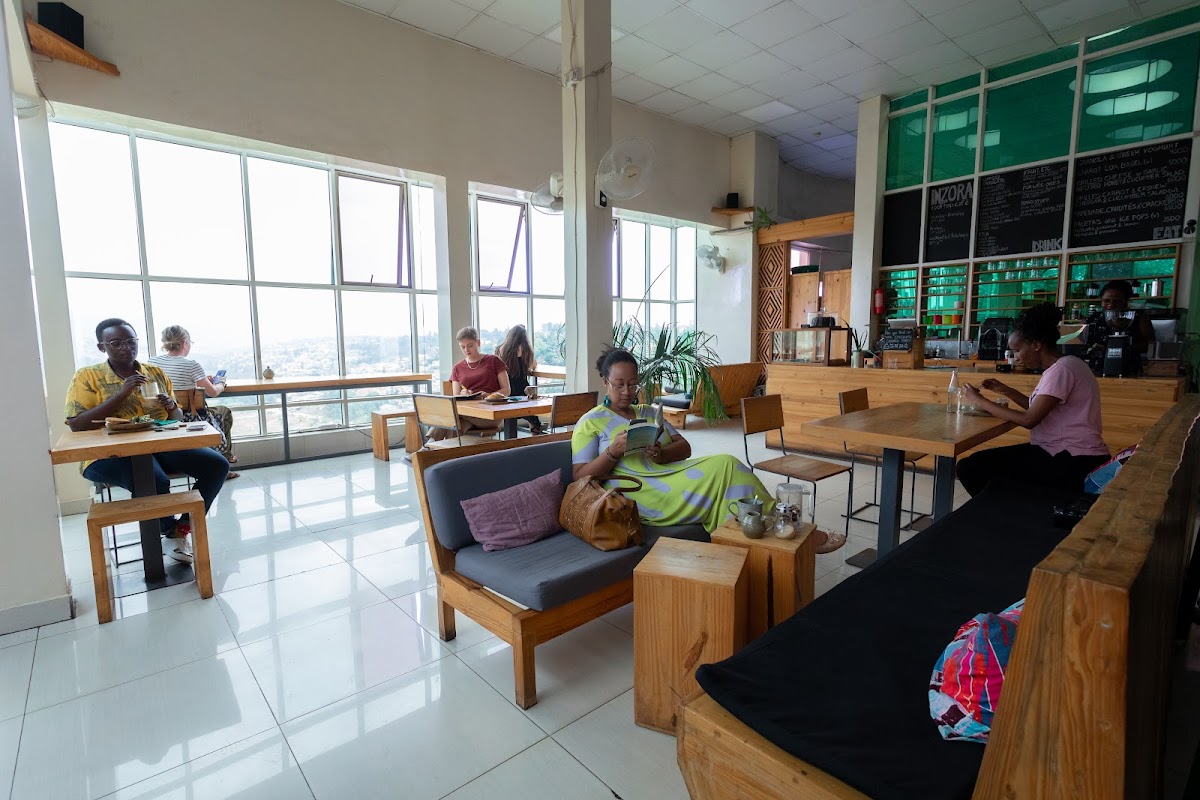
Tier 4 — service that *needs work* (the lower bracket)
The bottom of the café review base is dominated by service complaints. Not coffee complaints — almost every Kigali café now serves cup-of-coffee-grade coffee. The differentiator at the bottom is the speed of the kitchen, the consistency of the bill, the politeness of the till. The 3.5-4.0 cafés rarely lose on the cooking; they lose on service.
What the volume of service-themed reviews actually tells us
- Service is the lead variable in Kigali café reviews now — not coffee. Across the 4,000 service-themed reviews, the word coffee appears at roughly 60% the rate of the word staff or service. The product is the entry ticket; the service is the differentiator.
- The Wi-Fi mention is service-adjacent. Reviews praising Wi-Fi almost always pair it with a staff member's tolerance of the long sit — they didn't push me out, the staff kept refilling water, the receptionist let me move tables. Wi-Fi without service support is meaningless to the working-day crowd.
- The breakfast service hour is the stress test. The cafés that hold a 4.4+ rating at the 7:30-9:30 AM breakfast register are the ones with strong service operations. The ones that drop below 4.0 in that window are the ones to skip for breakfast and visit for an afternoon coffee instead.
- Service complaints concentrate in specific reviews. A single bad service experience often becomes the entire one-star review. The food was great. The coffee was great. But the waiter ignored us for fifteen minutes and we left. The kitchen can't save a slow till.
Where the city is improving, and where it still isn't
The new generation of cafés — Question Coffee, Rubia, One Cup, Feels, Shamba — has built service operations that compare favourably to the best of London, Lisbon, or Cape Town. The training is real; the staff retention is strong; the named-staff reviews compound. The city's volume cafés — the chains, the family-restaurant register — have improved too, but more unevenly. The breakfast service gap is the most visible remaining issue: cafés that nail the 11 AM working-day coffee can still fall apart at 7:45 AM when the room is busiest.
Related: Kigali's best coffee, ranked by what 5,000 reviews actually say, Specialty coffee roasters in Kigali, The Kigali coffee block. Browse every café on the directory.