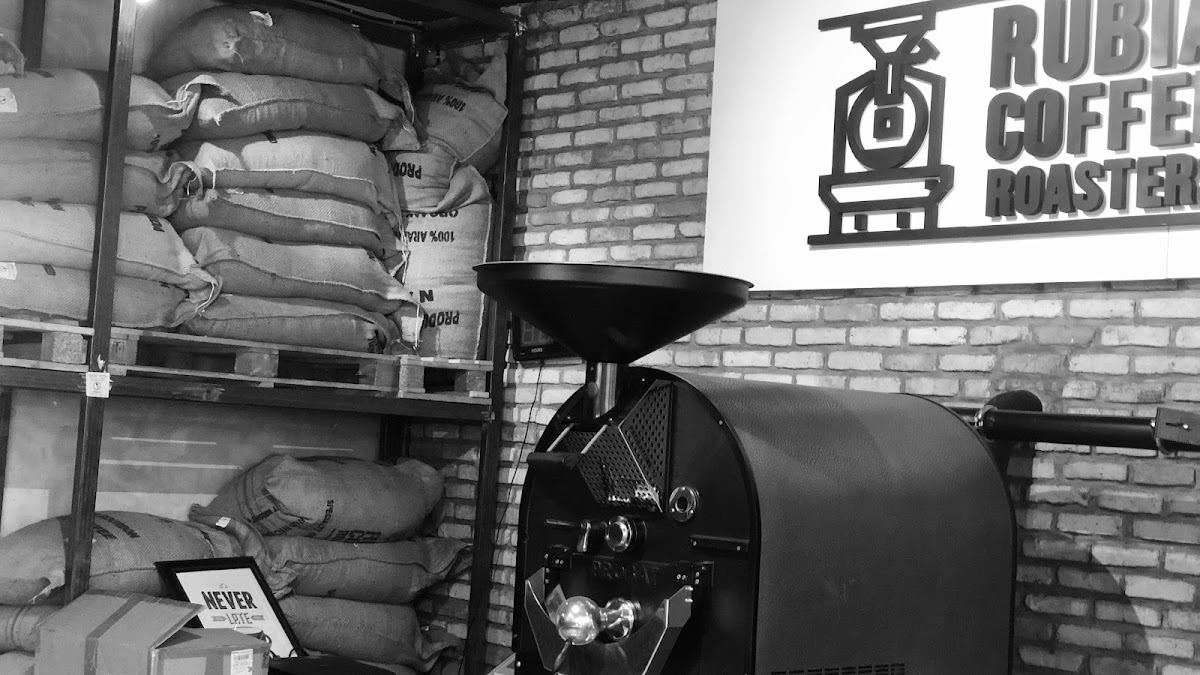
Rwanda produces some of the best coffee in Africa — washed Arabicas from cooperatives at altitude, bright and clean, the kind of beans that survive a long flight and command premium prices in Tokyo and Tokyo-adjacent specialty markets. For most of the last century, almost none of those beans stayed in the country. They were exported green. The cafés in Kigali, until the early 2010s, served instant or bad espresso.
That changed. A small group of operators — most started after 2014 — now roast on site, source from named cooperatives, and serve coffee at a technical level that rewards a careful drinker. Nine roasters worth knowing, sorted by what they actually do best.
The roaster-first operations
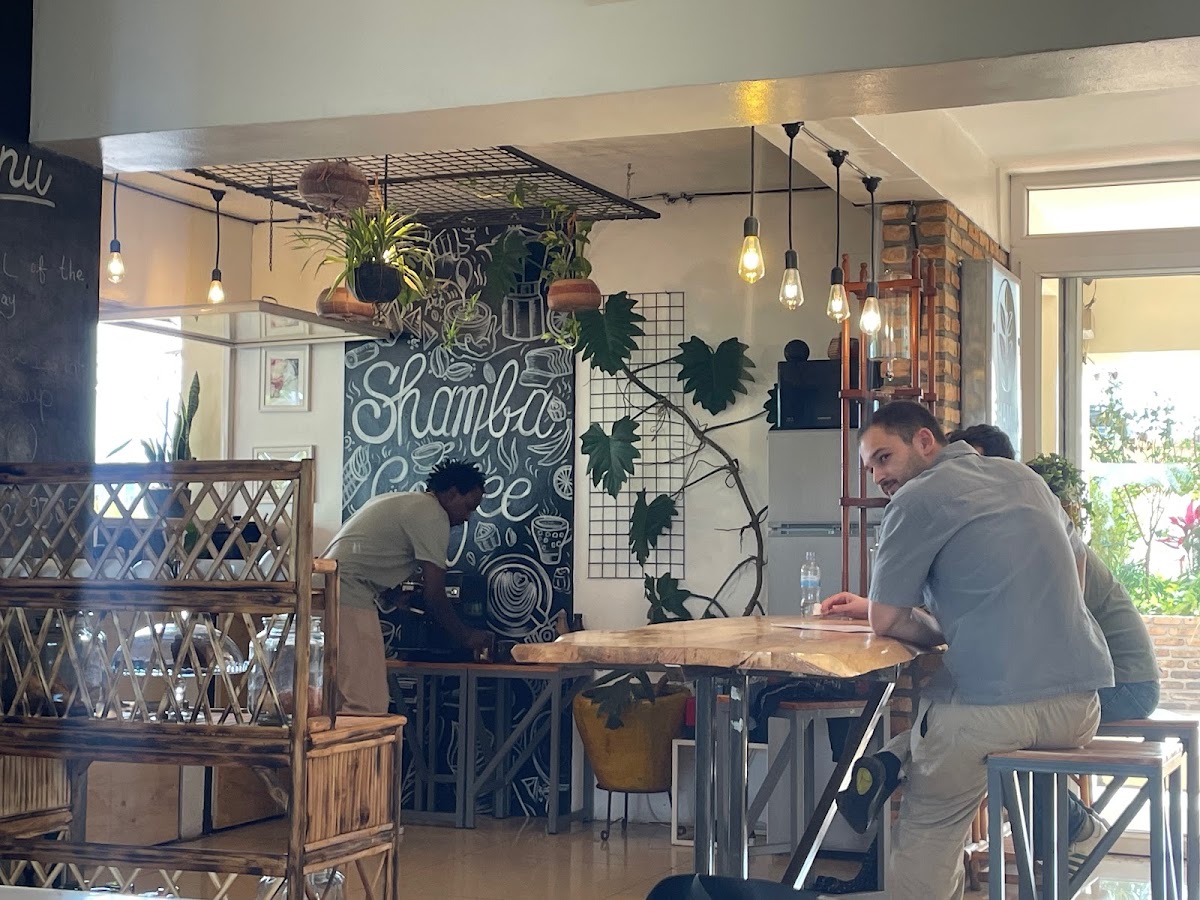
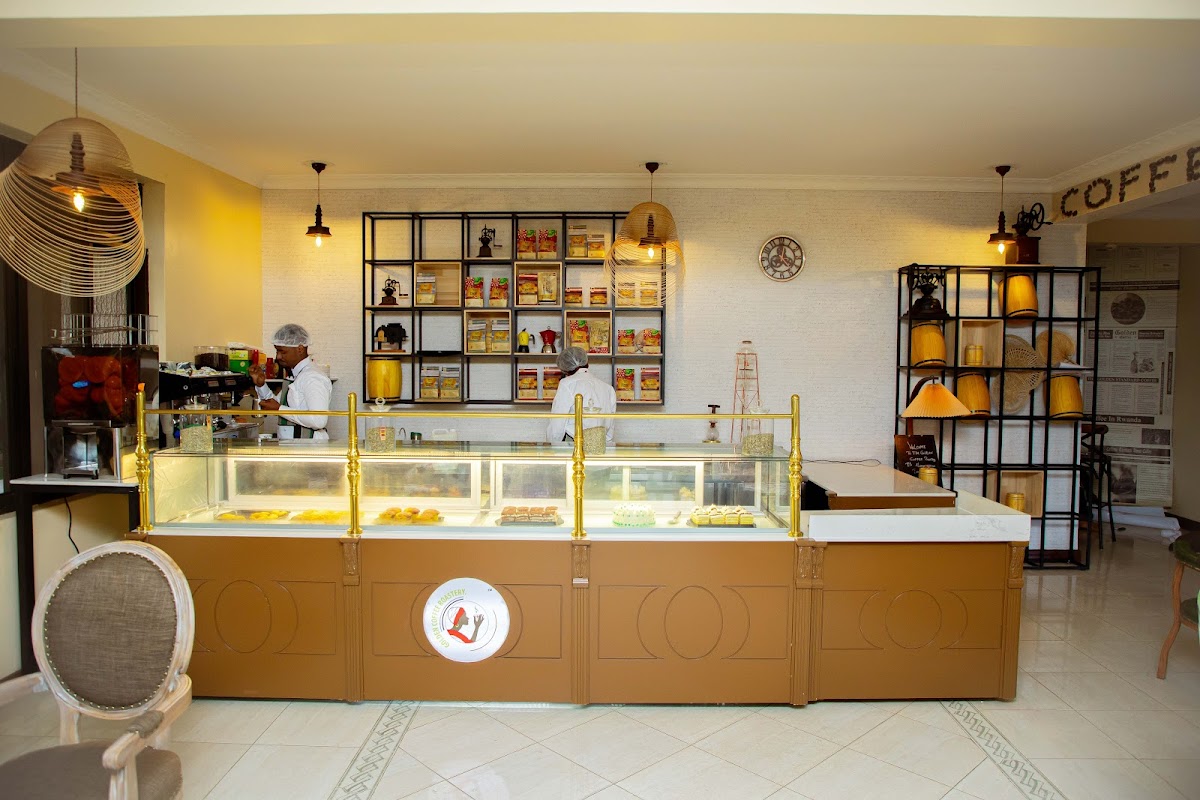
The volume specialty operations — strong coffee, broader room
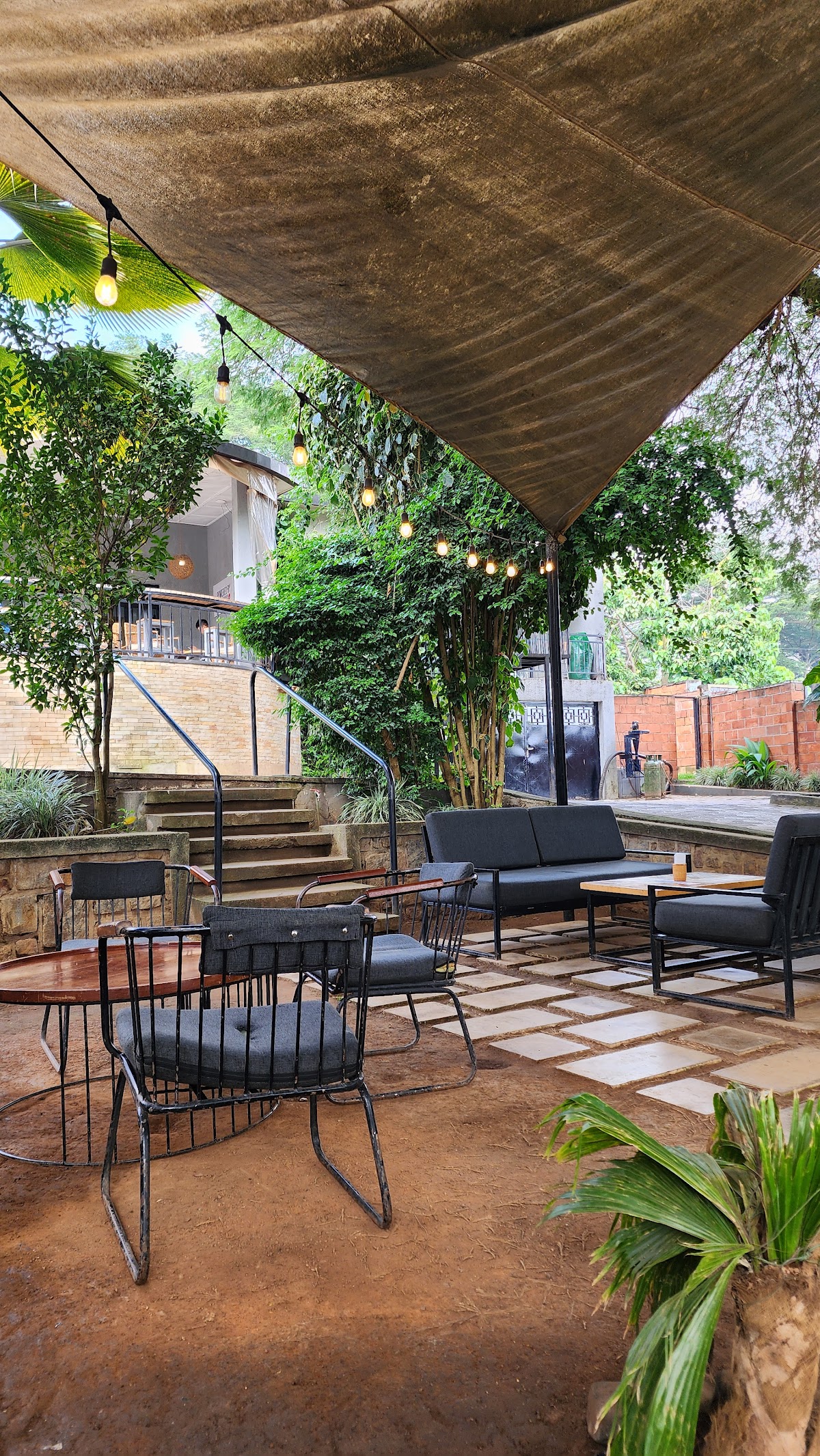
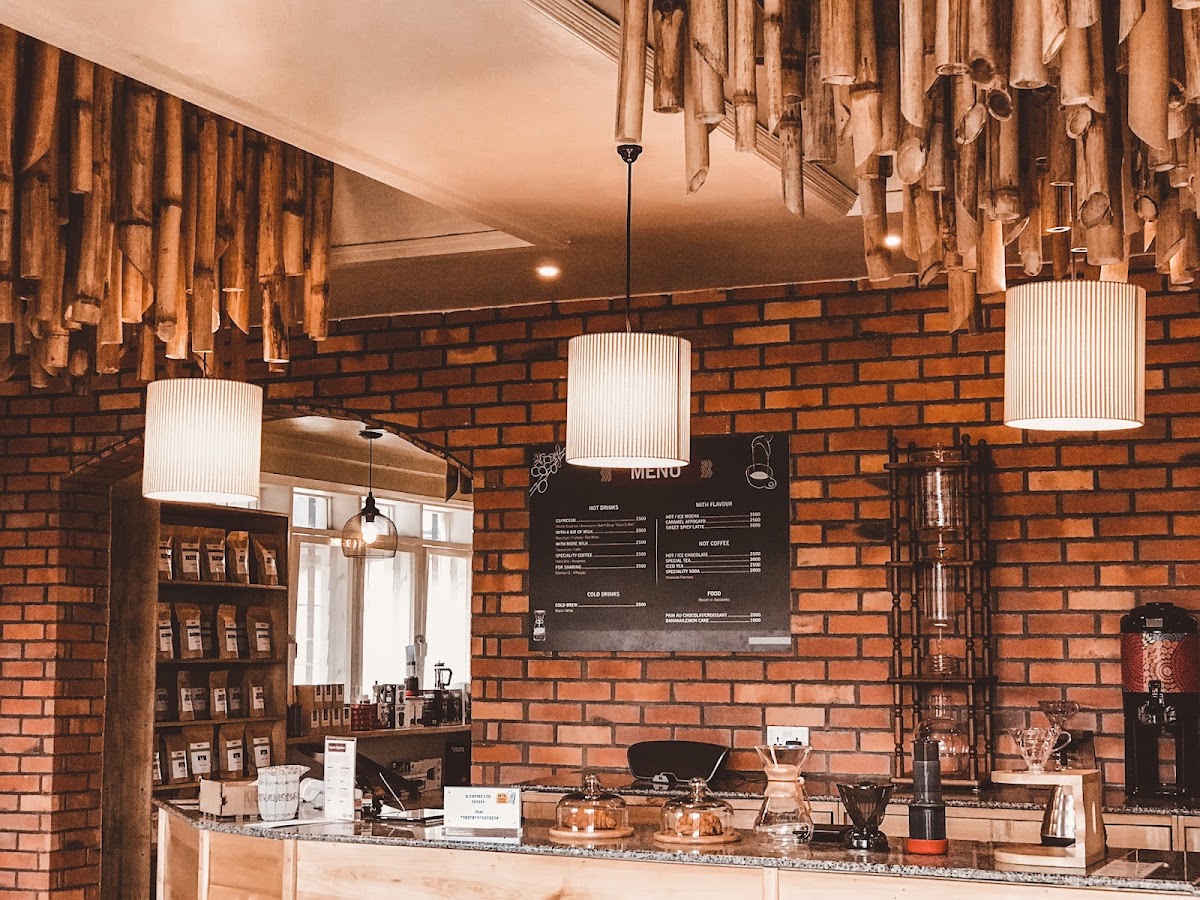
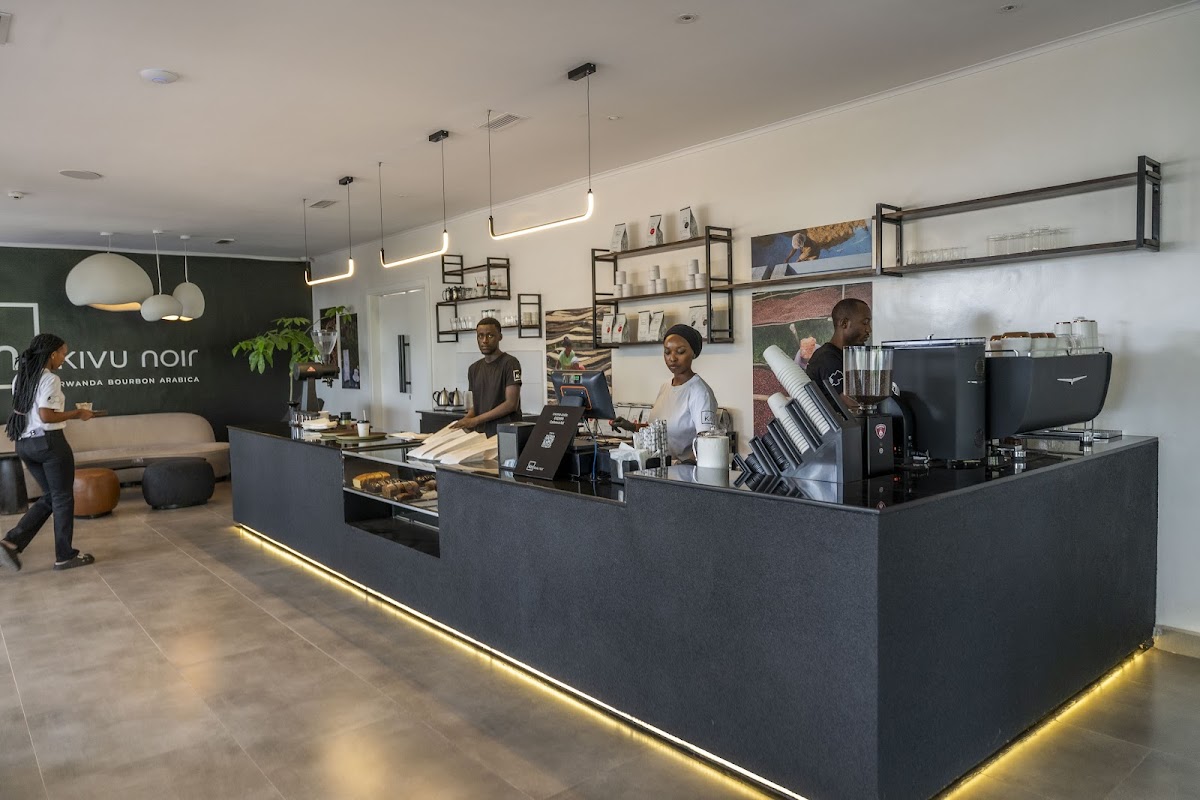
Specialty-adjacent — good coffee, broader menu
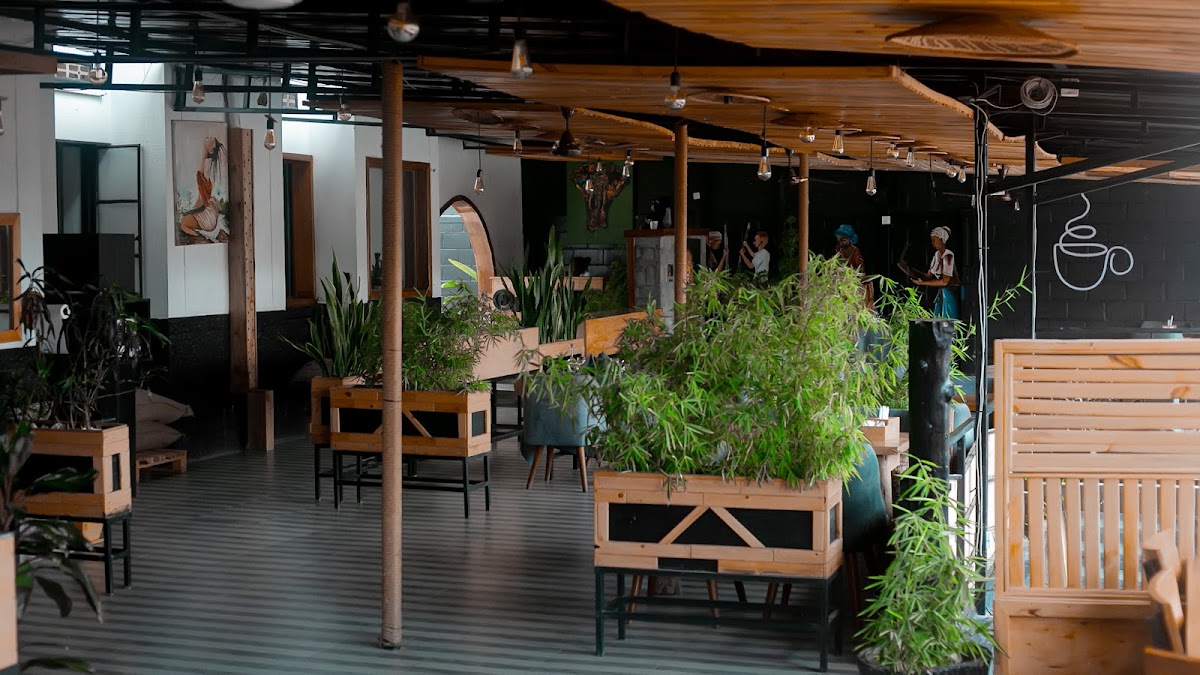
What makes specialty coffee in Kigali distinct
- Origin transparency. Most roasters on this list source from named Rwandan cooperatives — Huye Mountain, Lake Kivu, Kayonza. The bag tells you who grew the beans. Unusual outside specialty cities in the global north.
- Women-led farms. Rwanda's coffee sector has the highest share of women coffee farmers anywhere in Africa. Question Coffee's training programme is the visible expression of that; Rubia and Shamba also source heavily from women-led cooperatives.
- Altitude calibration. Kigali sits at 1,500m. The dough analogue from the pizza article applies here too: brew water boils at 95°C, not 100°C, and the extraction recipes the cafés use are calibrated to that. The reason the coffee is consistently clean is the technique adjustment, not just the beans.
- Roaster-to-table. Three of the operations on this list roast on the premises and serve the result within days. Fresh, in this category, is real.
What to order, by roaster type
- Rubia, Shamba, Golden: a pour-over from a named single origin. Skip the espresso first time.
- Question Coffee, Kivu Noir: espresso first to calibrate, then either a cortado or a flat white.
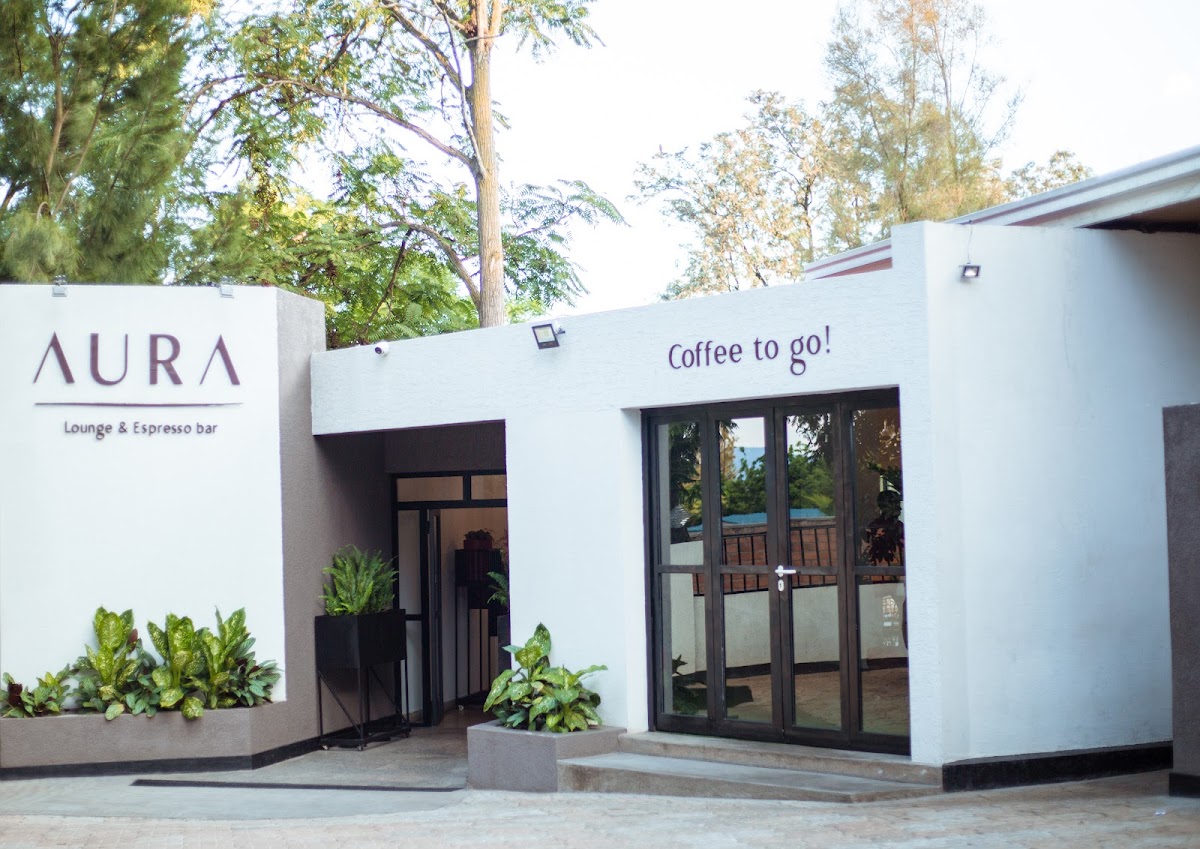
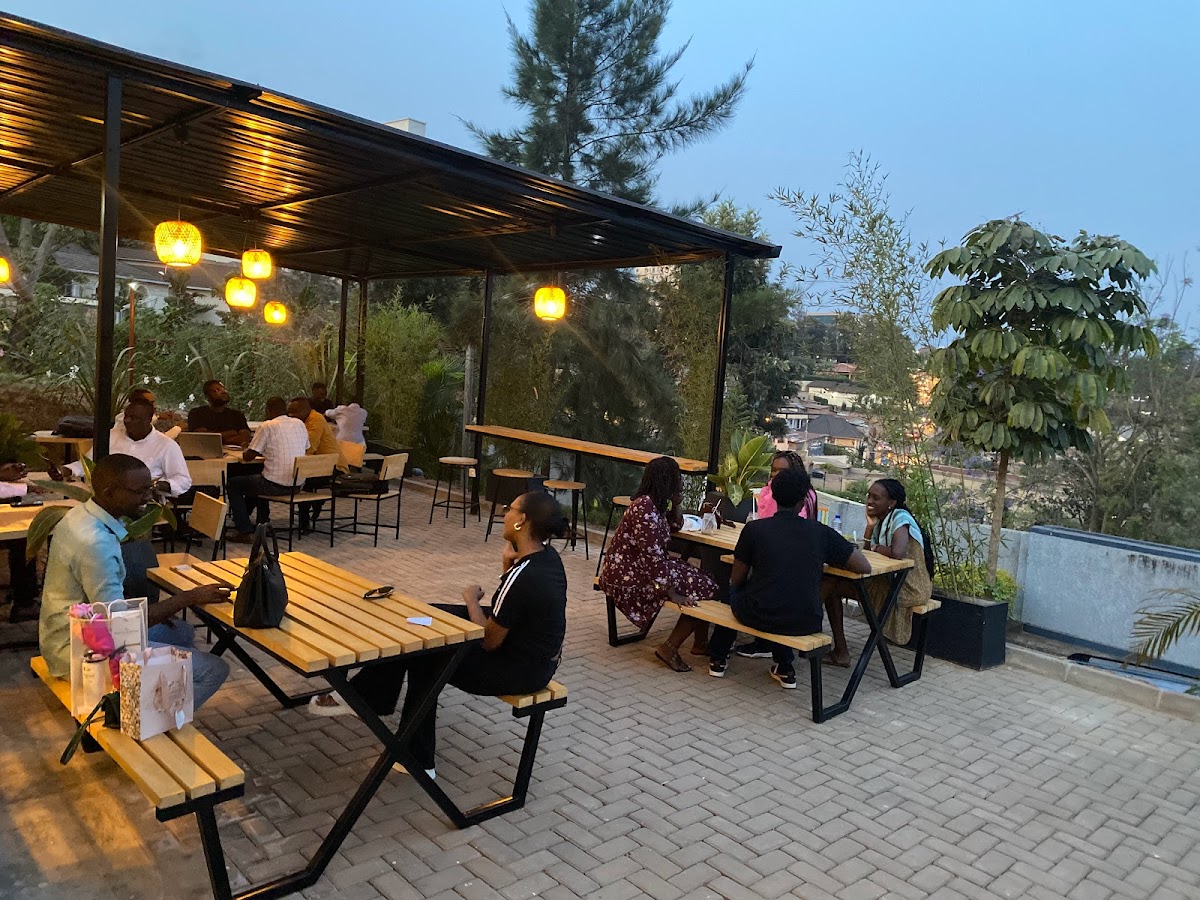
- One Cup, Aura, Feels: flat white or cappuccino. These rooms suit the broader register.
Buying beans to take home
Almost every roaster on this list sells 250g bags. If you're a serious coffee person travelling out, buying here makes practical sense — the beans command export-tier prices abroad and you're paying domestic rates with the maker named on the bag. The bags also travel well; the country's coffee export protocols mean the beans are packaged for international shipment.
Rough bag pricing:
- 250g single-origin whole bean: 4,500-8,000 RWF
- 500g blend: 8,000-14,000 RWF
- Limited-edition / micro-lot: 9,000-15,000 RWF for 250g
Practical things
- Hours. Most open 7:30-8am, close 7-8pm. Rubia and Shamba have shorter hours; check ahead.
- Pricing. Espresso: 1,800-2,500 RWF. Filter / pour-over: 3,000-4,500 RWF. Cold brew: 3,500-5,500 RWF.
- Reservations. Not needed.
- Wi-Fi. Reliable at every café on this list. The roaster-first operations (Rubia, Shamba) are quieter; the volume ones (Question Coffee) busier.
Related: Cafés in Kigali — a tasting map, The Kigali coffee block — six cafés, one square kilometre, Best cafés in Kacyiru. Browse every café on the directory.