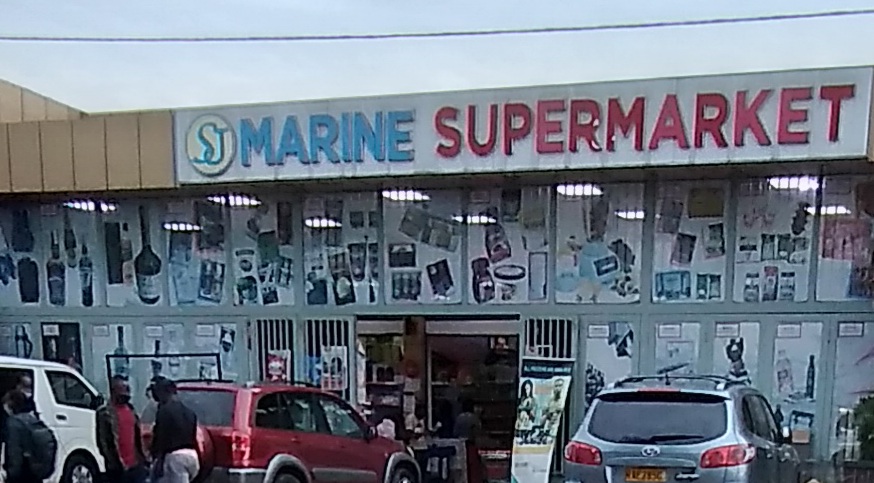
Opening a retail business in Rwanda is one of the simpler regulatory paths — fewer sector-specific approvals than restaurants, hotels or healthcare. The set comes to 3-4 core approvals plus additional certification only for food-retail. This is the working 2026 guide.
The approvals
- RDB business registration (TIN included)
- District trading licence
- RRA tax setup (EBM mandatory, VAT registration if applicable)
- Rwanda FDA certification — only if selling food, beverages, cosmetics, or other consumables
- Fire-safety inspection — only for larger premises (>200 m² or multiple storeys typically)
Step 1 — RDB registration
Standard rdb.rw process. The retail sector code depends on what you sell:
- Retail of food, beverages, tobacco (ISIC 4711): Supermarkets, convenience stores
- Retail of clothing (ISIC 4771): Boutiques, fashion shops
- Retail of electronics (ISIC 4742): Phone shops, computer stores
- Retail of hardware (ISIC 4752): Hardware stores, building materials
- Retail of pharmaceuticals (ISIC 4772): Pharmacies (covered separately — has additional approval layer)
- Other specialised retail (ISIC 4773-4774): Crafts, art, jewellery, etc.
Choose Ltd for any business with inventory exposure (theft, damage, depreciation). Sole proprietorship works for very small kiosk-format operations.
Step 2 — district trading licence
Apply at your district One-Stop Centre. Cost depends on the retail category:
- Small kiosk / single-employee shop: RWF 30,000-80,000 annually
- Boutique or specialist retail: RWF 80,000-200,000
- Mid-sized retail (multi-employee): RWF 150,000-400,000
- Supermarket: RWF 400,000-1,000,000 depending on size and turnover bracket
Step 3 — RRA tax setup
- TIN: Issued at RDB registration
- EBM: Required for all retail issuing formal receipts. Critical for VAT-compliant operations.
- VAT registration: Mandatory above RWF 20 million annual turnover. Most supermarkets register; small boutiques often stay below.
- Trade-licence renewal: Annual
Step 4 — Rwanda FDA certification (only if selling consumables)
If your retail business sells any of the following, Rwanda FDA approval is required:
- Pre-packaged food and beverages: Yes, even sealed bottled water and chips.
- Cosmetics and skincare: Yes — face creams, soaps, hair products.
- Vitamins and supplements: Yes
- Cleaning products and detergents: Some categories yes
- Pharmaceuticals: Yes (and pharmacy-specific licence required — separate process)
For non-food retail (clothing, electronics, hardware, crafts), FDA certification isn't required. Cost for FDA approval: RWF 50,000-200,000 typically. Time: 2-4 weeks.
Step 5 — fire-safety inspection (larger premises only)
Required for supermarkets, multi-storey retail spaces, retail spaces above ~200 m². Smaller shops are typically exempt unless inspected at the district's discretion. Cost RWF 30,000-100,000. Time 1-2 weeks.
Practical setup costs
- Premises lease deposit: 3-6 months' rent
- Shop fit-out: Shelving, counters, signage, lighting, security — RWF 1,500,000-15,000,000 depending on size
- Initial inventory: Highly variable; RWF 3,000,000-30,000,000+ for a small supermarket; lower for boutiques
- POS / cashier system: RWF 200,000-1,500,000 (integrated with EBM)
- Security: Locks, alarms, sometimes CCTV — RWF 200,000-800,000
Total regulatory cost (mid-sized retail)
- RDB registration: RWF 0
- District trading licence: RWF 80,000-400,000
- EBM activation: RWF 0-150,000
- FDA certification (if consumables): RWF 50,000-200,000
- Fire-safety inspection (if larger premises): RWF 30,000-100,000
- Total first-year regulatory cost: RWF 160,000-850,000
Realistic timeline
- Week 1-2: RDB registration, bank account, premises search
- Week 3-5: Lease signing, district trading licence
- Week 4-6: EBM activation, FDA application (if applicable)
- Week 6-10: Fit-out, inventory delivery, soft launch
- Week 10+: Full opening
What new retailers get wrong
- Underestimating inventory cost. First stock-up is typically 40-60% of total setup investment. Plan accordingly.
- Skipping FDA when selling cosmetics. Many small boutiques sell skincare items without realising they need FDA approval.
- Not registering EBM until the first VAT return. EBM should be active from day one of operation.
- Mixing private and business inventory. Personal use of business stock confuses accounts and triggers RRA scrutiny.
- Under-securing the premises. Theft is the most common shock for new retailers. Invest in proper locks, alarms, and visible security.
Related: How to register a business in Rwanda, The Simba effect — how Kisimenti became Kigali's commercial heart, RRA tax registration for new businesses. Browse every business on the directory.