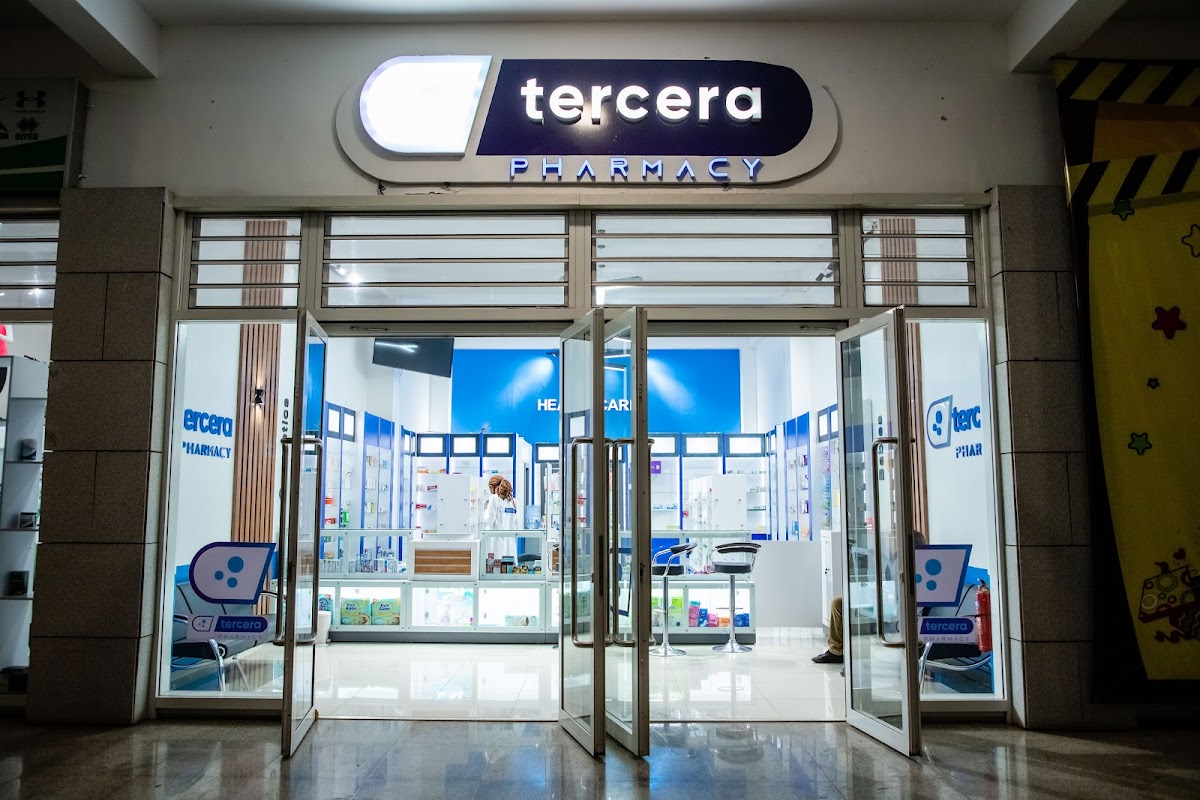
Pharmacy regulation in Rwanda is significantly stricter than general retail — and for good reason. The Rwanda FDA (Food and Drugs Authority) and the National Council of Pharmacists oversee the sector, with multiple requirements before a pharmacy can dispense its first prescription. This is the working 2026 guide.
The approvals — six layers
- RDB business registration (TIN included)
- Qualified pharmacist — registered with the National Council of Pharmacists, employed full-time at the premises
- Rwanda FDA pharmacy operating licence
- District trading licence
- Controlled-substances licence (if dispensing scheduled drugs)
- Fire-safety inspection for premises
Step 1 — RDB registration
Standard process. Sector code: Retail sale of pharmaceutical and medical goods (ISIC 4772). Ltd structure is strongly recommended — pharmacies face material liability exposure from dispensing errors.
Step 2 — qualified pharmacist (the gatekeeper requirement)
Every pharmacy in Rwanda must employ a registered pharmacist (the responsible pharmacist) full-time at the premises. The pharmacist must be:
- Registered with the National Council of Pharmacists. Confirms recognised qualification (typically a Bachelor of Pharmacy from a recognised institution).
- Working at the premises during all operating hours. A single pharmacist can't be the responsible pharmacist for multiple locations simultaneously.
- Holding a current annual practising certificate.
If you're a pharmacist yourself and registering as the responsible pharmacist, the process is straightforward. If you're a non-pharmacist owner, you must hire a registered pharmacist before the FDA approval can issue — this is the single most-common bottleneck in pharmacy startup.
Step 3 — Rwanda FDA pharmacy operating licence
The Rwanda FDA inspects the premises against pharmacy-grade standards. The inspection covers:
- Premises layout — separation between OTC area, prescription dispensing, controlled-substances storage, customer waiting area
- Temperature-controlled storage — at least one refrigerator with continuous temperature monitoring for cold-chain medicines
- Controlled-substances cabinet — locked, with logged access and stock register
- Patient privacy — counselling area or separated counter for prescription consultations
- Lighting and ventilation — sufficient for safe dispensing
- Computer / record-keeping system — for prescription dispensing logs (mandatory)
- Cost: RWF 200,000-500,000 for inspection and licence
- Time: 4-8 weeks from application
- Renewable: Annual with re-inspection
Step 4 — district trading licence
Annual trading licence from your district office. For pharmacies typical bracket is RWF 120,000-300,000.
Step 5 — controlled-substances licence
If dispensing scheduled drugs (opioids, benzodiazepines, certain other controlled medications), an additional controlled-substances licence is required from Rwanda FDA. Logged inventory, restricted access, scheduled inventory audits.
- Cost: RWF 100,000-250,000
- Renewable: Annual
Step 6 — fire-safety inspection
Standard pharmacy premises are subject to fire-safety inspection. Cost RWF 30,000-80,000. Time 2 weeks.
Tax obligations
- VAT: Pharmaceuticals are generally VAT-exempt at point of sale (specific Rwandan rule). Confirm with RRA the current list of exempt items. Cosmetics and non-prescription items are typically VAT-applicable.
- EBM: Required
- CIT: 30% standard
- PAYE for staff: Monthly
Inventory and supplier requirements
- Source from FDA-approved wholesalers. Direct-import of pharmaceuticals requires separate FDA import licence and is typically only undertaken by larger pharmacy chains.
- Maintain prescription records for 5+ years.
- Cold-chain integrity documented daily (refrigerator temperature logs).
- Expired-stock disposal through authorised FDA channels — burning, dumping in landfill not permitted.
Practical setup costs
- Premises lease deposit: 3-6 months' rent
- Fit-out (shelving, dispensing counter, refrigeration, security): RWF 4,000,000-15,000,000
- Initial inventory (drugs, OTC products, cosmetics): RWF 8,000,000-40,000,000+ depending on scale
- POS / record-keeping system: RWF 500,000-2,500,000
- Pharmacist salary (first 3 months buffer): RWF 1,500,000-4,500,000
Total regulatory cost summary
- RDB registration: RWF 0
- District trading licence: RWF 120,000-300,000
- Rwanda FDA pharmacy operating licence: RWF 200,000-500,000
- Controlled-substances licence: RWF 100,000-250,000
- EBM activation: RWF 0-150,000
- Fire-safety inspection: RWF 30,000-80,000
- Pharmacist registration fee (annual): RWF 50,000-100,000
- Total first-year regulatory cost: RWF 500,000-1,400,000
Timeline
- Week 1-2: RDB registration, bank account
- Week 2-6: Hire registered pharmacist (the longest pole if you're not one yourself)
- Week 4-12: Premises lease, fit-out, FDA application and inspection
- Week 8-14: Controlled-substances licence (if applicable)
- Week 12-16: EBM activation, fire-safety, district trading licence
- Week 14+: Stock delivery, soft launch, full opening
Related: How to register a business in Rwanda, The pharmacies of Kisimenti — every chain has a branch here, Pharmacies in Kigali. Browse every pharmacy on the directory.