Opening a restaurant in Kigali is harder than opening most other small businesses here — but not because the paperwork is bureaucratic. The paperwork is straightforward. It's harder because the kitchen has to be right, the staff have to be certified, and the inspection timing has to align with your lease, your fit-out, and your launch.
Most first-time restaurant founders we've talked to underestimate one or two of these things and end up paying three months of rent on a closed kitchen. This is the order that actually works in 2026, with the real numbers.
Step 1 — RICA food licence (4–8 weeks)
The Rwanda Inspectorate, Competition and Consumer Protection Authority (RICA) issues the food licence that lets you serve to the public. Application is straightforward; the timing depends on premises inspection.
What RICA inspects:
- Layout — separate raw and cooked food zones, no cross-contamination paths.
- Surfaces — stainless steel preferred; sealed tiles acceptable. No exposed wood in food prep areas.
- Ventilation — extraction over the cooking line, separately ducted from the dining room.
- Refrigeration — cold-chain monitoring, separate fridges for raw meat / cooked / dairy.
- Water — confirmed potable supply with backup.
- Waste — designated wet/dry separation, lidded bins, daily removal contract.
- Pest control — a registered pest control provider on file.
Cost: ~50,000–80,000 RWF for the licence itself; the bigger spend is making the kitchen pass inspection, which can run anywhere from 5M to 30M RWF depending on the size of the operation. Apply for inspection before your fit-out is complete — RICA will tell you what's wrong while you can still fix it cheaply.
Step 2 — Staff health certificates (1–2 weeks)
Every employee who touches food or works in the kitchen needs a Food Handler's Health Certificate from a registered clinic. This is non-negotiable. The check covers communicable diseases, basic hygiene literacy, and (in 2026) a typhoid + Hep A screen.
Cost: ~15,000–25,000 RWF per staff member, valid 6 months. Most clinics in Kacyiru, Kimihurura, or Remera can issue these same-day. Build the cost of certification into your hiring budget — restaurants with high staff churn pay this several times a year.
Step 3 — Liquor licence (only if you're serving alcohol) — 6–10 weeks
If you'll serve beer, wine, or spirits, you need a separate liquor licence from the City of Kigali. This is the slow one in the pipeline.
- Three classes: on-premises consumption only, off-premises retail, or both. Most restaurants apply for on-premises only.
- Requires the RDB certificate, RICA food licence, lease agreement, and a no-objection letter from the local sector office.
- Quarterly renewal fee — small but easy to forget.
- Cost: ~100,000–250,000 RWF first year, depending on classification.
Step 4 — Music + entertainment licensing (only if applicable)
If you'll have live music, recorded music played publicly, or any organised entertainment, you need to register with the Rwanda Society of Authors (SODAV) for music royalties. This is often overlooked and can lead to surprise fines.
What it really costs to open
Three rough cost bands we see in Kigali in 2026:
- Small café / takeaway (40–80 seats): total opening cost 15M–25M RWF. Fit-out 8–12M, equipment 4–6M, deposits + first 3 months rent 3–5M, licences + working capital 1–2M.
- Mid-range restaurant (80–150 seats): 40M–80M RWF. Heavier kitchen build, longer fit-out, often a built-out bar.
- Premium / hotel-attached: 100M+ RWF. At this level, every line item doubles or triples — the kitchen alone can be 25M.
Five things experienced operators get right
- Hire your kitchen lead before your fit-out is finished. Their input on the line layout is worth more than the architect's.
- Train staff on the menu for two full weeks before opening. Soft launches go badly when servers don't know the dishes.
- Lock in pricing with suppliers in writing. Vegetable prices in Kigali swing seasonally — surprise you can't really hedge against, but a written agreement helps.
- Plan for tax visits. RRA audits restaurants more often than they audit most other sectors. Clean books from day one.
- Be on Kisimenti from week one. Reviews accumulate slowly. The earlier you have a claimed profile with WhatsApp routing and the right photos, the faster you build the credibility score that lifts you in search.
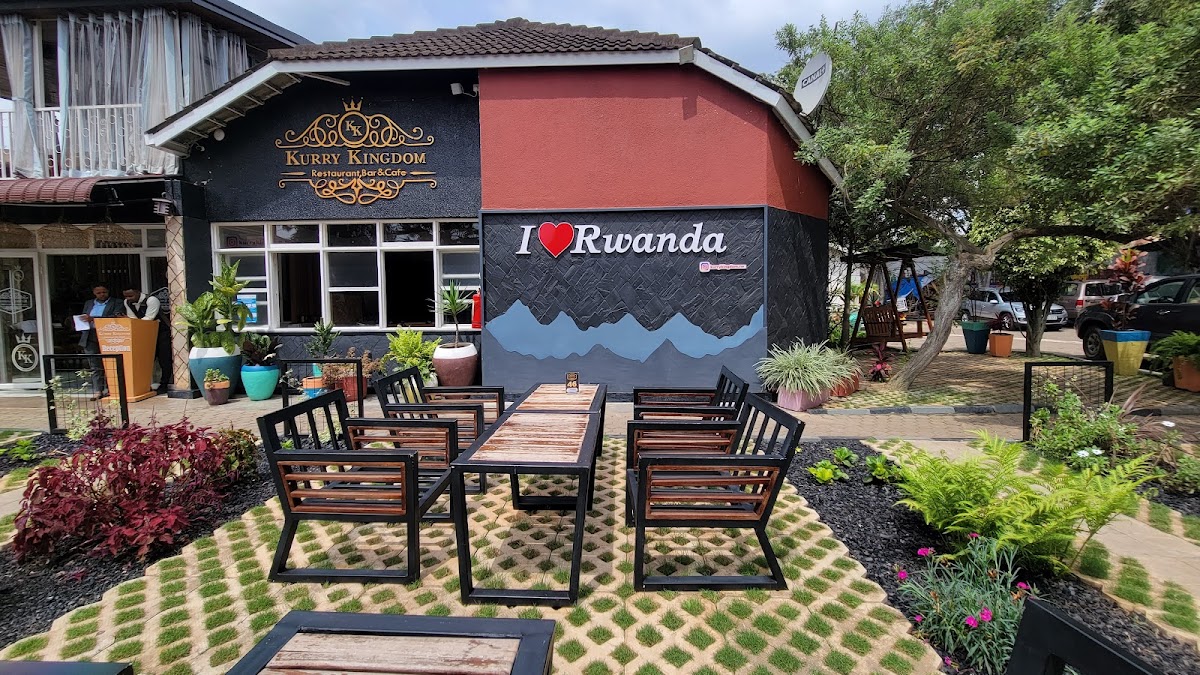
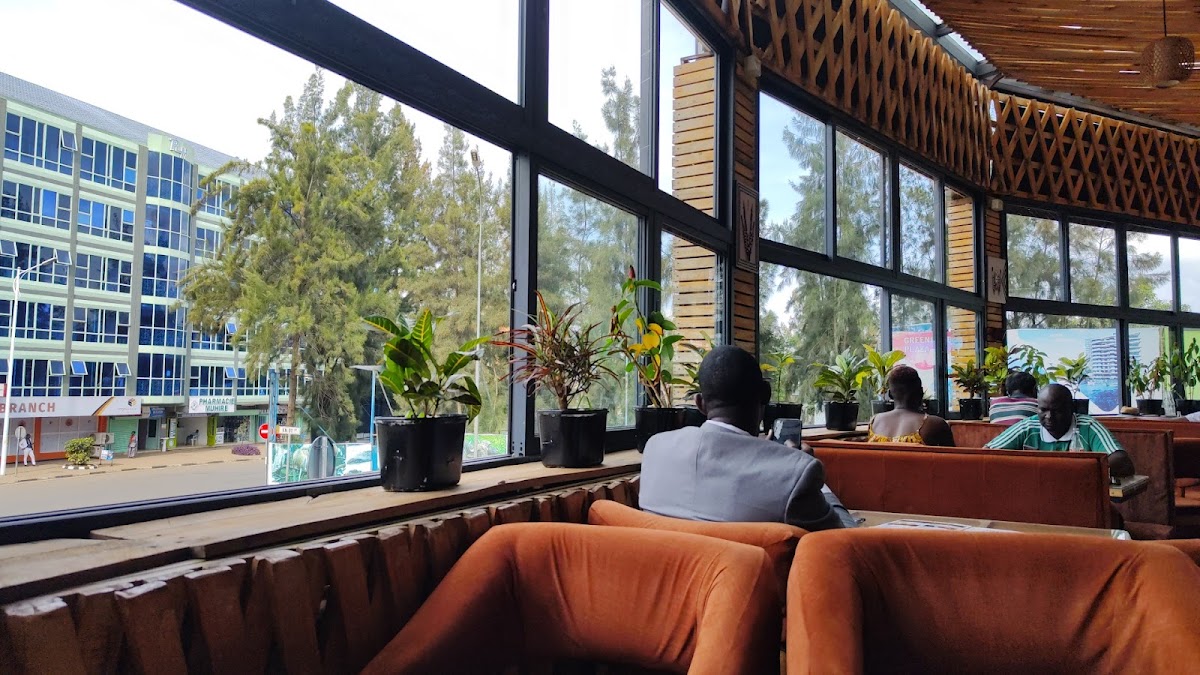
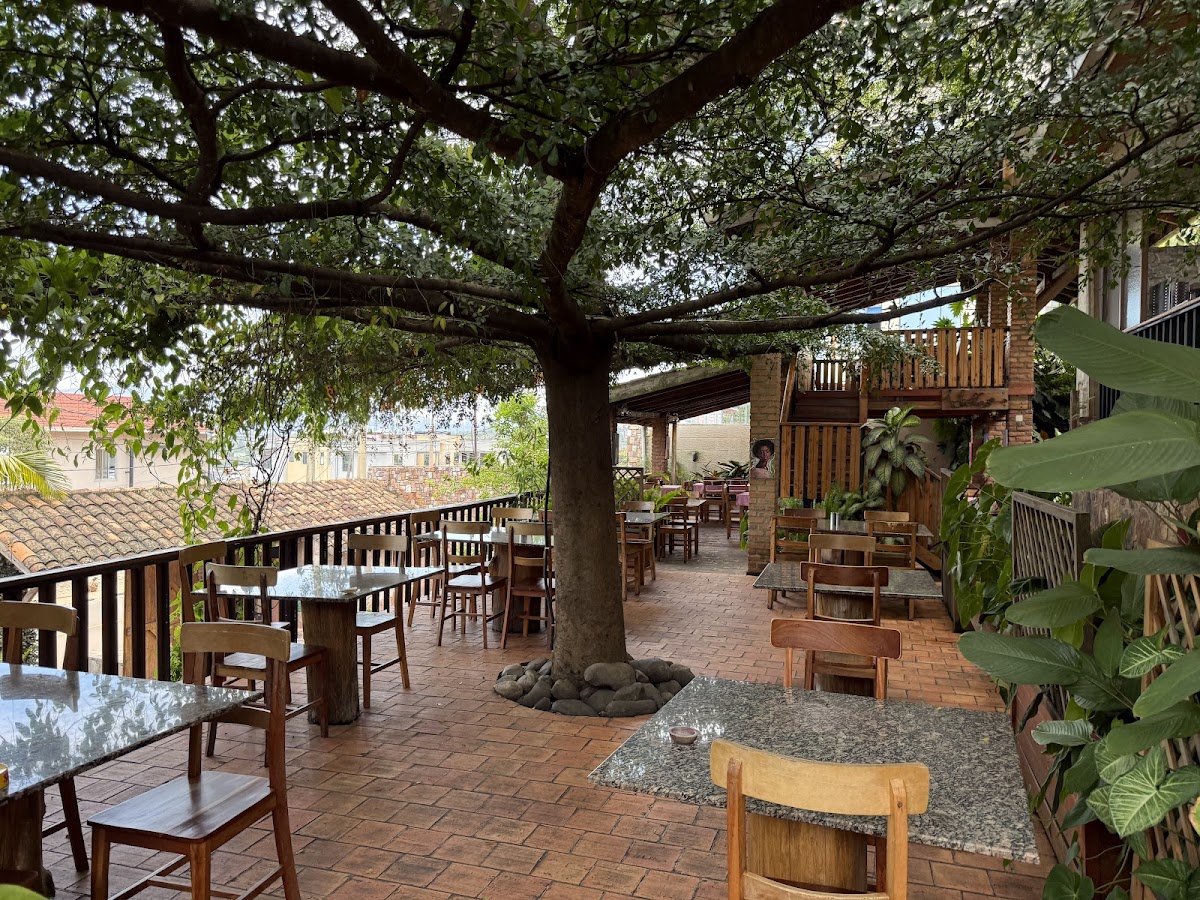
Examples of restaurants who got it right
Three different bets, three different price points, all credibly built:
Up next in this series: opening a salon in Kigali, opening a hotel or guesthouse, and a sector-by-sector permits matrix.