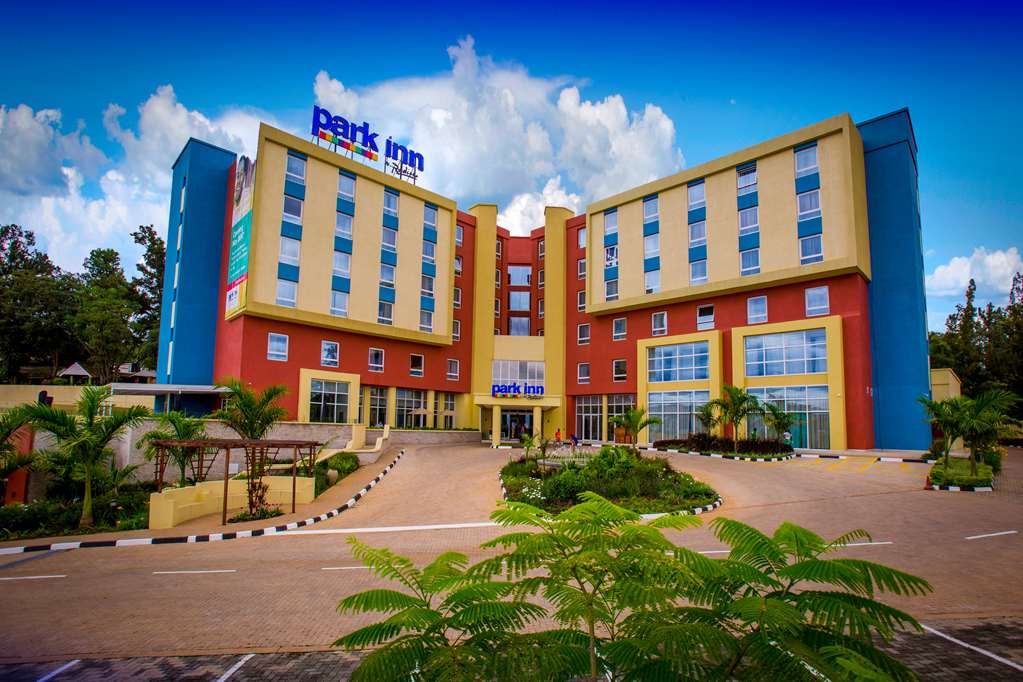
Kigali is not Lagos. That sentence, said early and often by every Nigerian founder who has moved here, contains the entire opportunity and the entire adjustment. The opportunity: a regulatory environment that says yes more often than it says wait, a banking layer that interoperates with the Central Bank rather than around it, and a customer base of 14 million people inside one market plus 350 million more across the East African Community trade bloc. The adjustment: everything is slower, calmer, smaller-scale; the assumption that volume is your friend has to be unlearned.
Over the last five years, that calculation has been working itself out in real time across roughly thirty Nigerian-founded fintechs that now operate from Kigali. Most of the founders live in Kacyiru and Kimihurura. They take their lunch meetings at the same six cafés. They are, increasingly, the most interesting story in Kigali's tech economy, and they are largely unwritten about. This piece is a first read.
Why Kigali
Five things keep coming up when you ask the founders directly.
- Regulatory access. The Banque Nationale du Rwanda will take a meeting. So will RDB, so will the Kigali International Financial Centre. "Same week, sometimes same day" is the line you hear most often. In Lagos, the equivalent meeting cycle is measured in months.
- A real digital identity layer. Rwanda's national ID system gives every resident a unique number, machine-readable, that any licensed fintech can verify against. KYC isn't the seventeen-week ordeal it can be in Nigeria.
- EAC reach. A fintech licensed in Rwanda can — with the right additional approvals — serve customers in Kenya, Uganda, Tanzania, Burundi and South Sudan without re-licensing. That's the regulatory equivalent of Stripe Atlas plus an EU passport.
- Cost of living and operating. Office rent in Kacyiru is roughly half of equivalent Lekki rent. Engineering salaries are competitive but the cost-of-living dollar goes further.
- The quality of life thing. Mentioned last in the official pitch but almost first in private. Kigali is safe, calm, fast-internet, walkable in the right neighbourhoods. After Lagos pace, the founders describe the first six months as "a different relationship to my own time."
Where they work
Three rough locations cover ninety percent of the scene.
Norrsken House — the visible cluster
The Norrsken-built innovation hub on Kimihurura's edge is the public face of the scene. Roughly a dozen of the Nigerian-founded fintechs operate from desks here. Day passes available; full memberships in higher tiers. The cafeteria is where the most cross-pollination happens.
Kacyiru and Kacyiru Sud — the heads-down crowd
Founders past series-A tend to leave the coworking scene and take small private offices in Kacyiru's office buildings. Reachable to RDB, BNR, embassies, and the cafés where they meet diligence partners.
Working from home — Nyarutarama and Kibagabaga
The founders who've been here three or four years and now have families tend to drift to Nyarutarama and Kibagabaga for housing. Office work happens in Kacyiru; mornings start with a domestic coffee at home before driving in.
Where they meet
Cafés do most of the work. There's no formal industry event circuit in Kigali, no monthly fintech meetup with a thousand attendees. Deals get done at small tables, two people at a time, often over a long lunch.


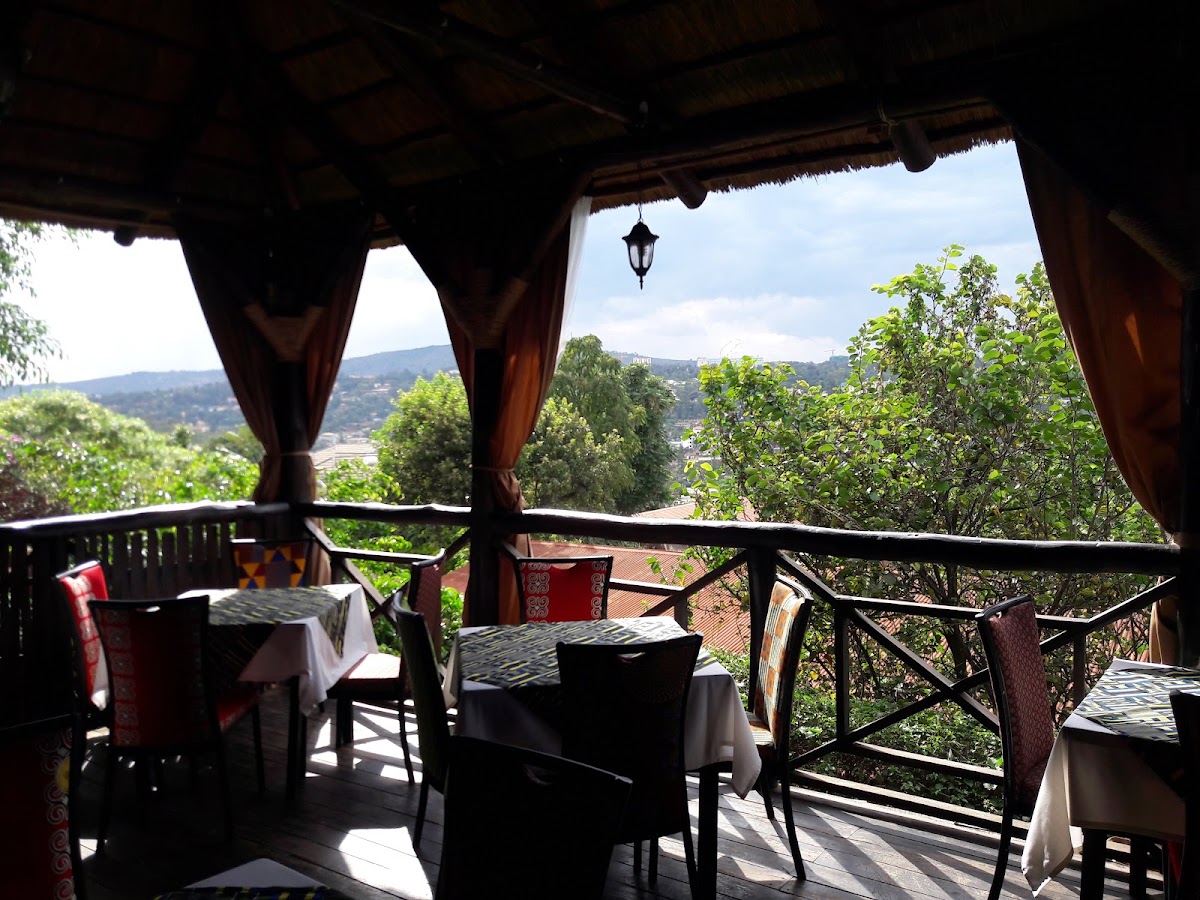
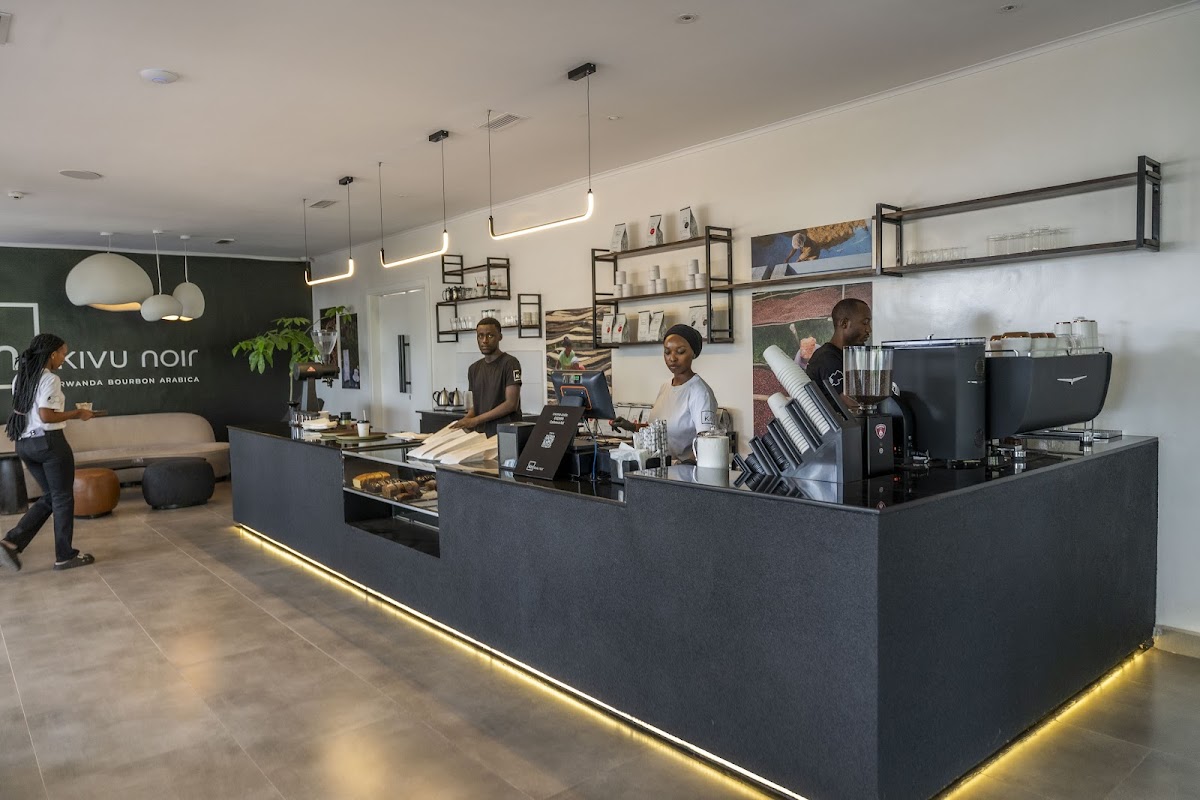
If you're trying to find someone in this scene and you can't get an introduction, the fastest path is to nurse a coffee at Question Coffee on a Tuesday between 9 and 11am. You won't be there ten minutes before you hear a sentence with the word RBA or KYC stack in it. Politely introduce yourself.
What they wish someone had told them
From a half-dozen founders who agreed to talk on background, the recurring themes in first-month lessons:
- Hire one local senior before you hire your second Nigerian engineer. The local context layer is real and unbuildable from Lagos. The earliest hires you make in Kigali should include at least one Rwandan or EAC professional whose first language isn't English.
- Don't replicate the Lagos office culture. "We'd have a 9pm Slack channel light up because someone wanted to push a feature, and our Kigali engineers were gone. We had to learn that 6pm here means 6pm."
- Banking is excellent — once you have the right account. The first three weeks are paperwork-heavy. Use a Rwandan-incorporated entity, not just your Nigerian holding company. Local LLC unlocks local banks.
- MoMo is the customer. You can ignore mobile money in Lagos. You cannot ignore it here. Sixty percent of consumer payments move through MTN MoMo or Airtel Money. Your product has to integrate; it's not optional.
- Be patient about marketing. Word-of-mouth in Kigali is the dominant acquisition channel. The first six customers come from someone you trust who tells someone they trust. Performance marketing doesn't scale the way it does in Lagos.
What's next for the scene
Three things to watch in the next eighteen months:
- The first Nigerian-Kigali fintech to cross 100k Rwandan active users. As of this writing nobody has cleanly hit that bar inside Rwanda alone, but two of the better-capitalised ones are close.
- A real EAC product play. The big upside isn't selling to 14 million Rwandans — it's using Rwanda as the base from which to serve 350 million East Africans. The fintechs that get the regulatory work right will be the ones that compound.
- Local hires moving into product leadership. Some of the founders we spoke to are now actively recruiting Rwandan COOs and product heads. When that hits scale, the scene stops being "Nigerian fintechs in Kigali" and starts being just "Kigali fintechs."
More Newcomers pieces in this series: EAC nationals moving to Kigali, the Lebanese business community in Gisimenti, the Indian families of Kimihurura. Have a community we should be writing about? Get in touch.